Knowledge · plant
Coffee Varieties & Cultivars
From Ethiopian Landraces to F1 Hybrids: A Guide to the Arabica Family Tree
Key facts
- Scientific name
- Coffea arabica
- Genetic structure
- Allotetraploid with 44 chromosomes
- Native origin
- Southwestern Ethiopian montane forests
- Elevation range
- 1,200 to 2,800 meters
- Primary genetic reservoir
- Ethiopia
- Famous cultivar
- Typica, Bourbon, Caturra
- Modern breeding approach
- F1 hybrids with hybrid vigour
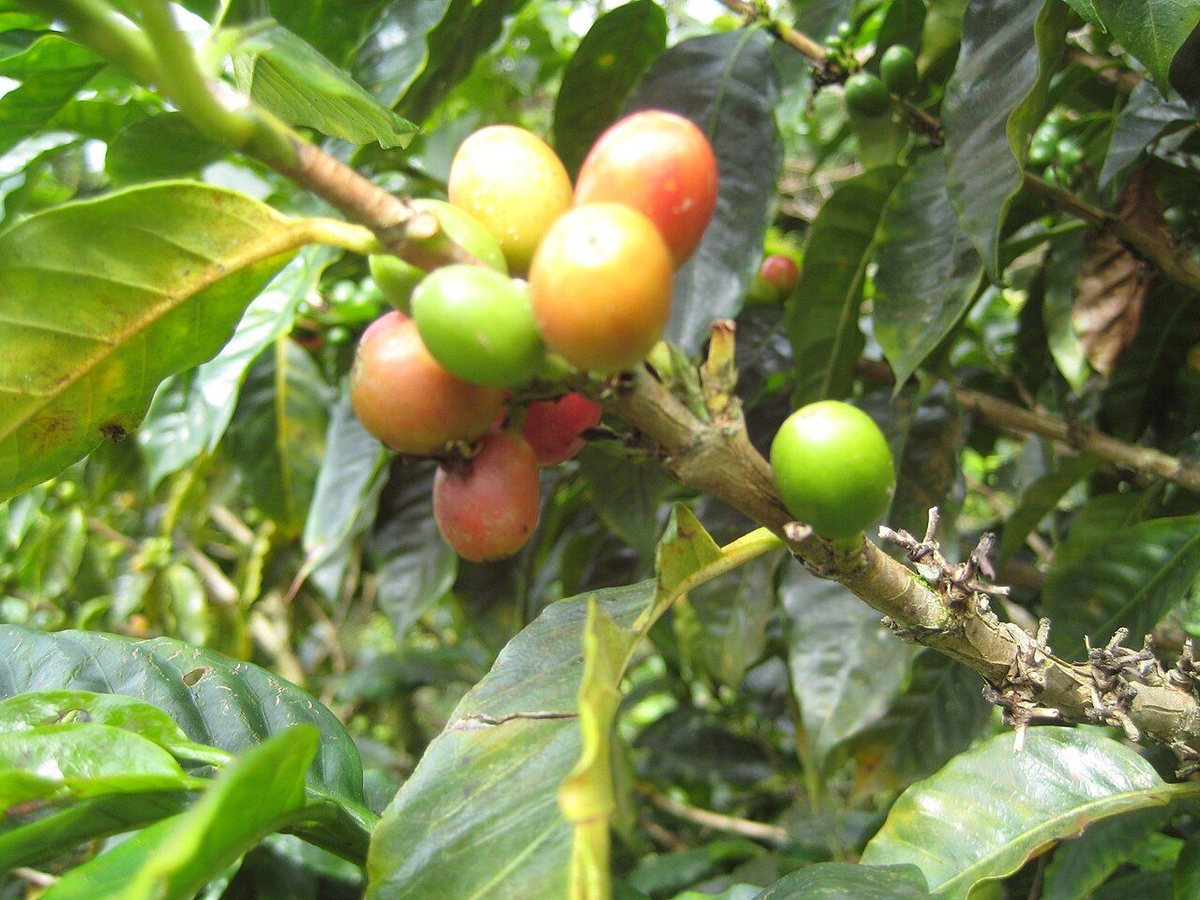
What Is a Coffee Variety or Cultivar?
In everyday conversation, the words variety, cultivar, and cultivated variety are often used interchangeably, but they carry distinct meanings in botany and agronomy.
- Variety (botanical sense): a naturally occurring, genetically distinct population within a species, arising without deliberate human selection. In the coffee world, the wild populations of Coffea arabica found in the forests of southwestern Ethiopia represent true botanical varieties.
- Cultivar (cultivated variety): a plant selected and maintained by humans for specific desirable traits — cup quality, yield, disease resistance, or plant architecture. The name is always written in single quotation marks (e.g., Coffea arabica 'Bourbon').
- Landrace: a locally adapted, genetically diverse population that has evolved under natural and low-intensity human selection over centuries, without formal breeding programmes. Ethiopian highland populations are the canonical coffee landraces.
- F1 Hybrid: the first-generation offspring of two distinct, genetically uniform parent lines. F1 hybrids often display heterosis (hybrid vigour) — outperforming either parent in yield and sometimes disease resistance — but their seeds do not breed true, requiring farmers to purchase new planting material each cycle.
Understanding these distinctions matters because they govern everything from how a variety responds to altitude and processing to how it behaves under climate stress. For deeper context on the genetics underpinning these categories, see Coffee Genetics & Breeding.
The Genetic Foundation: Why Arabica Is Unique
Coffea arabica occupies a singular position in the genus Coffea. Unlike the diploid species C. canephora (Robusta) and C. eugenioides, Arabica is an allotetraploid — it carries four copies of eleven chromosomes (44 total in the nucleus) rather than the two copies typical of diploid species. This polyploidy arose from an ancient natural hybridisation between C. canephora and C. eugenioides, an event estimated to have occurred between approximately 1.08 million and 543,000 years ago in East Africa.
This ancient hybridisation event has profound implications for variety diversity:
- Tetraploidy creates a wider pool of potential genetic combinations, but Arabica's natural populations are still remarkably narrow in genetic diversity compared with many crops, because the entire cultivated gene pool descends from a small number of plants that left Ethiopia and Yemen.
- The natural populations of Coffea arabica are restricted to the montane forests of southwestern Ethiopia, South Sudan, and Yemen, where the species grows as an understorey shrub at elevations commonly between 1,200 and 2,800 m.
- All the major Arabica cultivars grown worldwide ultimately trace back to this narrow wild base, making access to Ethiopian genetic diversity a global conservation priority.
For a full comparison of Arabica with Robusta and Liberica at the species level, see Coffee Species: Arabica, Robusta & Liberica.
Landrace vs. Cultivar vs. F1 Hybrid: Key Differences
| Category | Origin | Genetic uniformity | Seeds breed true? | Example |
|---|---|---|---|---|
| Landrace | Natural selection + folk cultivation | Low (diverse) | Approximately | Ethiopian heirloom populations |
| Cultivar | Human selection | Moderate–high | Generally yes | Bourbon, Typica, Caturra |
| F1 Hybrid | Controlled crossing of inbred lines | High (uniform) | No | Centroamericano, Starmaya |
Landraces are invaluable as genetic reservoirs. Ethiopia is widely regarded as the world's primary storehouse of Arabica genetic diversity, and this diversity is directly manifest in the range of flavour compounds found across different growing regions and forest populations.
Cultivars have been selected over generations for consistency. A farmer planting Bourbon on the same farm in consecutive years can expect broadly similar plant architecture and cup character, provided conditions are stable.
F1 hybrids are the frontier of modern coffee breeding. Because they do not breed true from seed, their commercial success depends on either vegetative propagation (cuttings, somatic embryogenesis) or a reliable seed supply chain. Their advantage — often substantially higher yields and disease resistance alongside competitive cup quality — makes them attractive where climate change is narrowing the viable cultivation window.
The Typica Family
Typica is the foundational cultivar from which a large proportion of the world's Arabica varieties descend. Its journey out of Ethiopia and Yemen — through the botanical gardens of Amsterdam and Paris, to the Caribbean, and thence across Latin America — created the colonial-era genetic bottleneck that defines most cultivated Arabica today.
Key characteristics of Typica-lineage varieties:
- Plant architecture: tall, conical trees with a single main stem; bronze-tipped new leaves.
- Cup quality: clean, sweet, often delicate; considered a benchmark for Arabica quality.
- Yield and disease resistance: relatively low yield; susceptible to coffee leaf rust (Hemileia vastatrix) and coffee berry disease.
- Notable Typica descendants: Java (from Indonesian cultivation that began in 1699 via Yemen's trade networks), Blue Mountain (Jamaica), Kona (Hawaii, where coffee cultivation became a major agricultural activity in the 19th century), Maragogipe (a large-bean mutation from Brazil), and Pache Común.
The Indonesian Arabica tradition — Sumatran and Java coffees — traces directly to Typica, producing coffees characteristically known for heavy body and low acidity. Growing Coffee: Altitude, Shade & Soil explores how elevation and environment shape the expression of any given cultivar.
The Bourbon Family
Bourbon takes its name from the island of Réunion (formerly Île Bourbon), where French missionaries cultivated Arabica plants brought from Yemen in the early 18th century. Isolated on the island for generations, the Bourbon population diverged genetically from Typica, producing a distinct cultivar with:
- Rounder cherries and higher cherry density per branch than Typica.
- Cup profile: typically richer, with greater sweetness and complexity; often notes of brown sugar and red fruit.
- Higher yield than Typica, though still moderate by modern standards.
- Susceptibility to leaf rust and coffee berry disease, similar to Typica.
Bourbon spread from Réunion to East Africa and Latin America in the 19th and early 20th centuries, seeding a prolific branch of the family tree. Key Bourbon descendants and mutations include:
- Caturra: a natural dwarf mutation of Bourbon discovered in Brazil, compact in stature and productive; widely grown across Central America.
- Catuaí: a hybrid of Caturra and Mundo Novo (itself a natural Typica × Bourbon hybrid), highly productive and wind-resistant.
- SL28 and SL34: selections made by Scott Laboratories in Kenya, derived partly from Bourbon material; responsible for the celebrated fruit-forward acidity of Kenyan coffee.
- Pacas: a natural Bourbon mutation from El Salvador.
- Pacamara: a hybrid of Pacas and the large-bean Maragogipe, notable for an oversized bean and complex cup.
Ethiopian Heirlooms and Landraces
Ethiopia occupies a category of its own. Rather than a single named cultivar, the coffees grown across Ethiopia's diverse growing regions — Yirgacheffe, Sidama, Guji, Harrar, Bench Sheko, and others — represent thousands of distinct genotypes, collectively described as Ethiopian heirlooms or landraces.
Several important points define this category:
- Ethiopia is the centre of origin and primary diversity reservoir for Coffea arabica. The wild populations are restricted to the montane forests of southwestern Ethiopia, as well as the Boma Plateau in South Sudan.
- Genetic diversity among Ethiopian populations is far greater than among the cultivated varieties grown elsewhere in the world, all of which descend from a narrow colonial-era sample of this diversity.
- Flavour diversity is correspondingly vast: Ethiopian coffees can express jasmine florals, blueberry, bergamot, stone fruit, and complex tea-like qualities depending on the local genotype, altitude, soil, and processing method.
- Named selections do exist — the Ethiopian Institute of Agricultural Research (EIAR) and the Jimma University Coffee Research Center have catalogued and released numbered selections (e.g., 74110, 74112) for disease resistance and productivity — but the majority of smallholder production relies on unimproved landrace material.
The Geisha variety (discussed separately below) itself originated within this Ethiopian landrace complex, demonstrating that even the most celebrated modern
In this section
The Bourbon Family
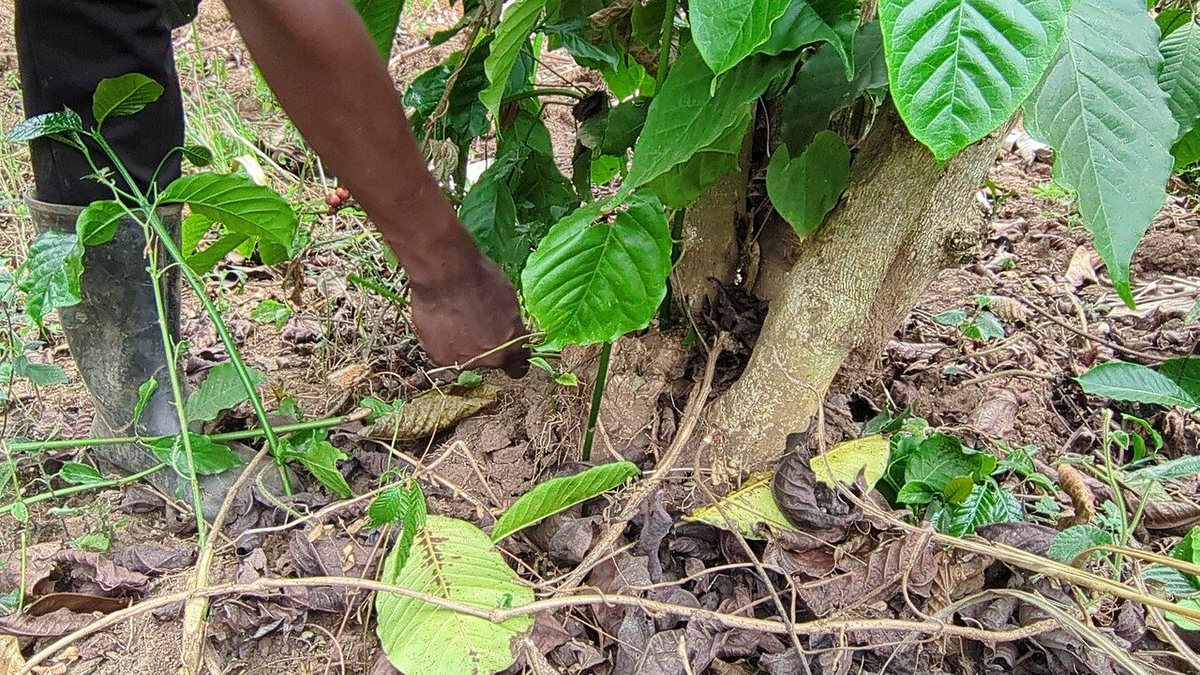
The Bourbon family is one of the two foundational lineages of Arabica coffee, tracing back to a single mutation carried from Yemen to the island of Réunion. From that one divergence, a cascade of natural mutations and human selections produced some of the most important cultivars in specialty coffee history — from Caturra and Mundo Novo to the SL selections and the modern Pink and Yellow Bourbons.
Ethiopian Heirloom & Landraces
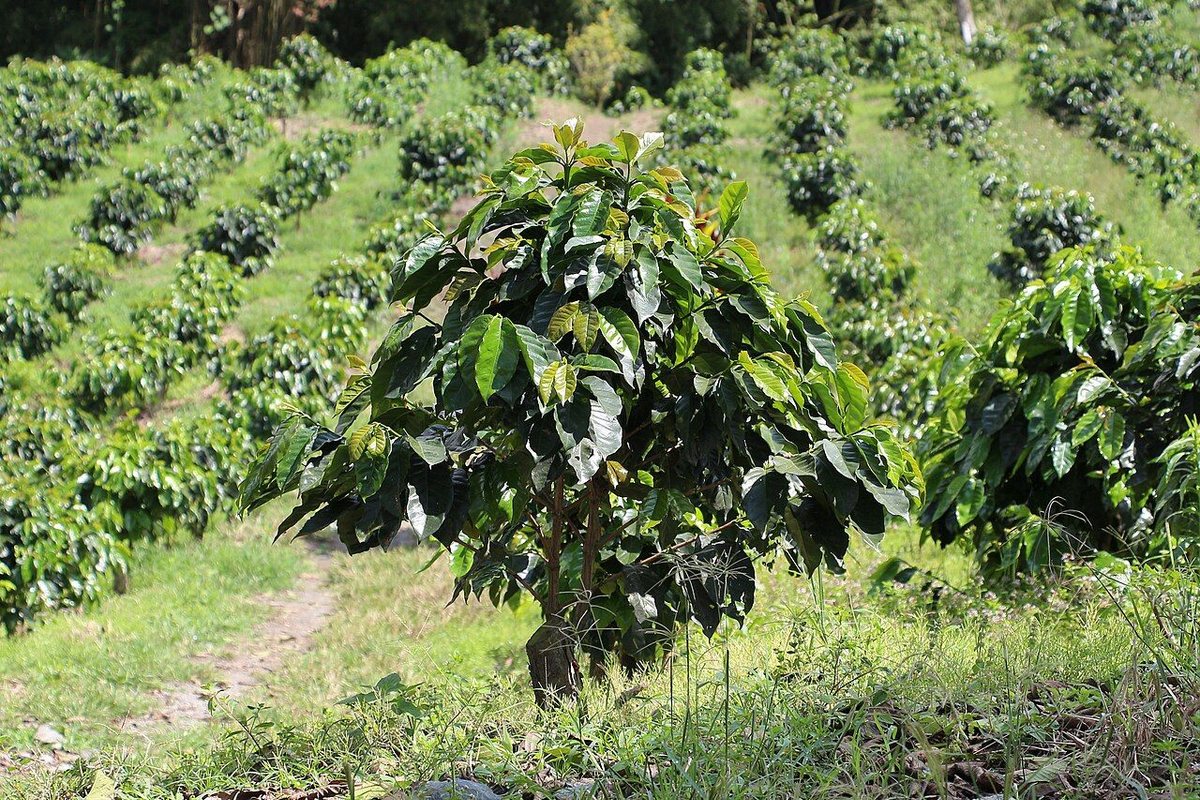
Ethiopia is the birthplace of Coffea arabica and holds the deepest reservoir of genetic diversity the species possesses anywhere on earth. Its indigenous landraces — from uncatalogued forest populations to named selections such as Kurume, Dega, Wolisho, Wush Wush, and JARC releases 74110 and 74112 — represent centuries of natural and human selection across dramatically varied highland microclimates. Understanding this family is essential for anyone serious about coffee flavor, sustainability, or the long-term health of the crop.
The Geisha Family
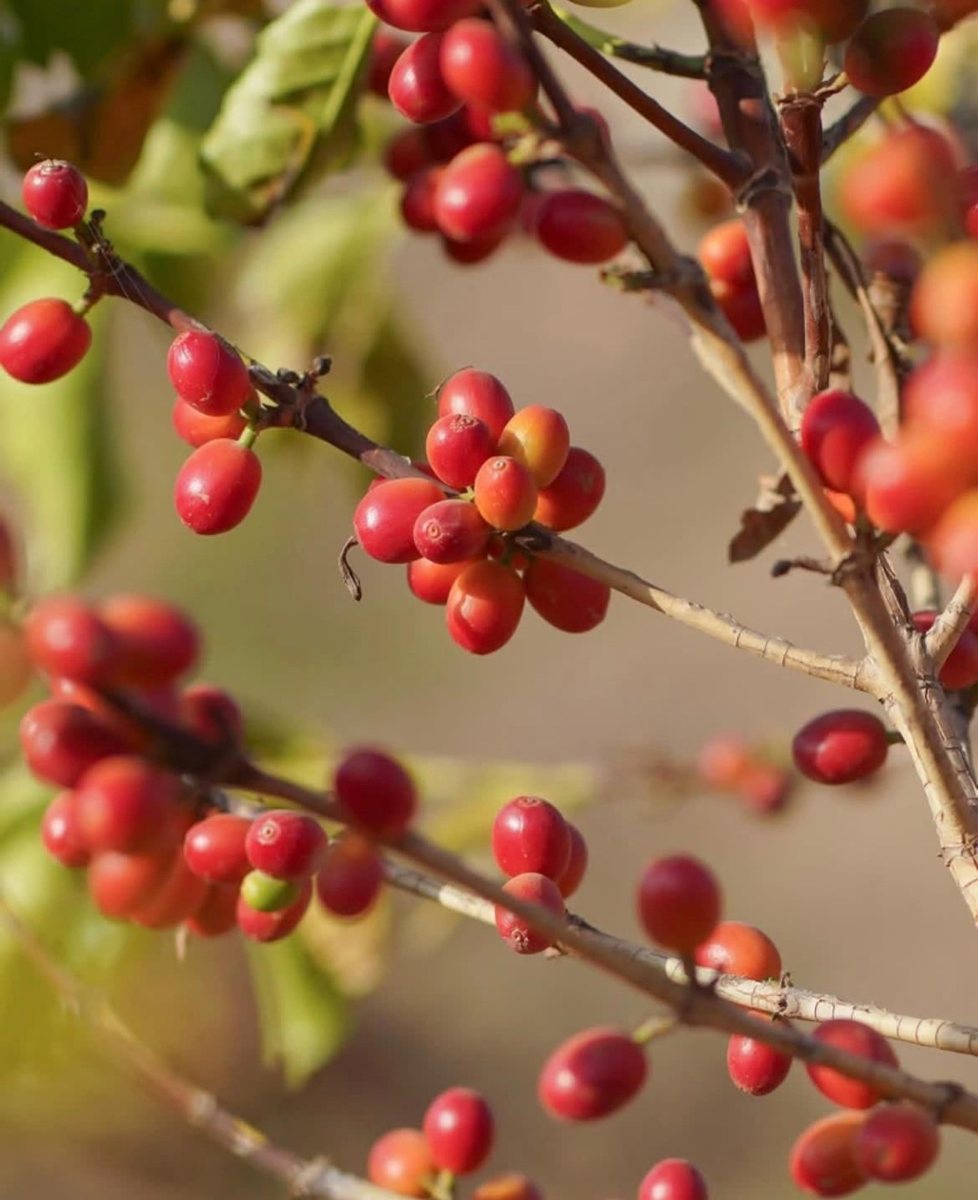
Geisha (also spelled Gesha) is an Ethiopian-origin Arabica variety collected from the Gori Gesha forest that became specialty coffee's most celebrated and highest-priced cultivar, renowned for its extraordinary floral, tea-like clarity with notes of jasmine and bergamot.
Modern Hybrids & Disease-Resistant Varieties
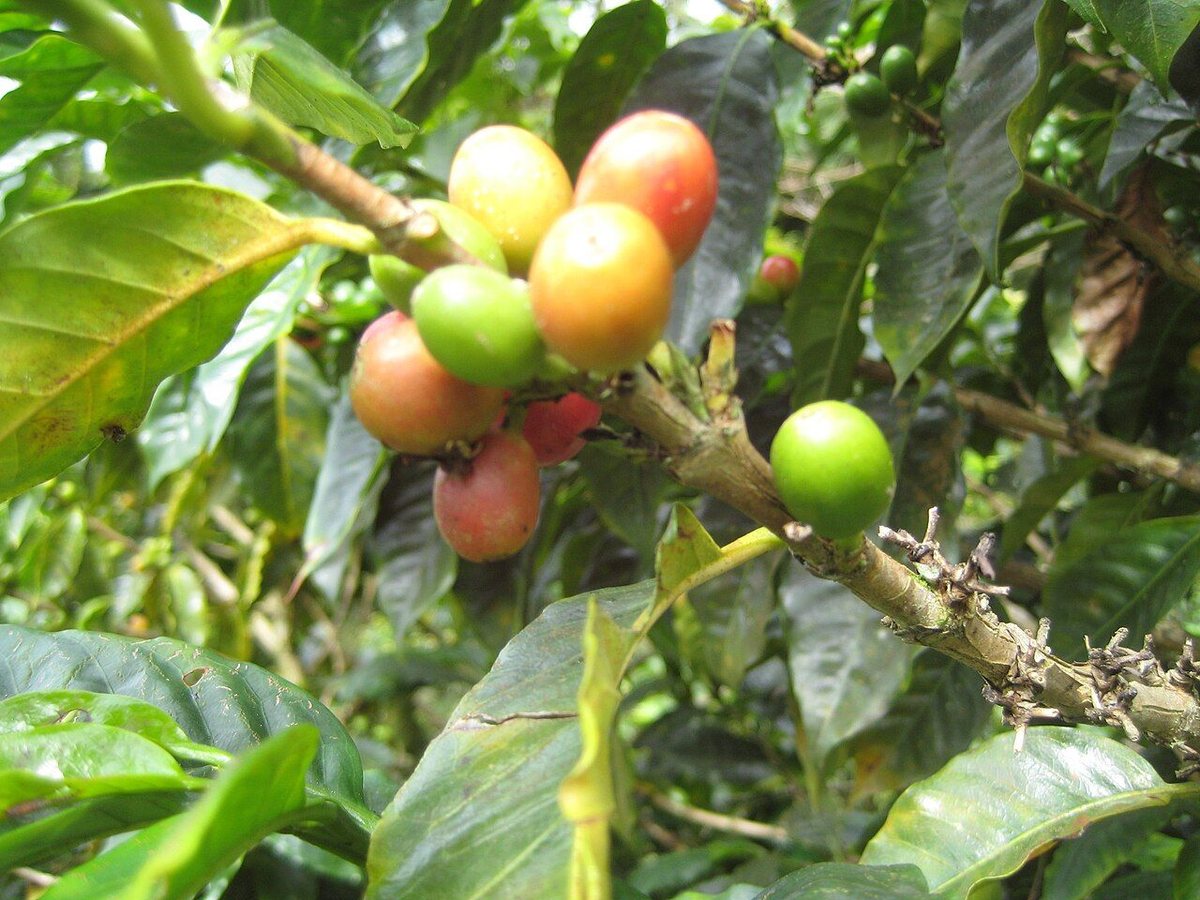
Modern Hybrids and Disease-Resistant Varieties represent coffee breeding's answer to the existential threat of coffee leaf rust and other diseases — marrying robustness with arabica heritage, at an ongoing cost to cup quality that breeders continue to resolve.
The Typica Family
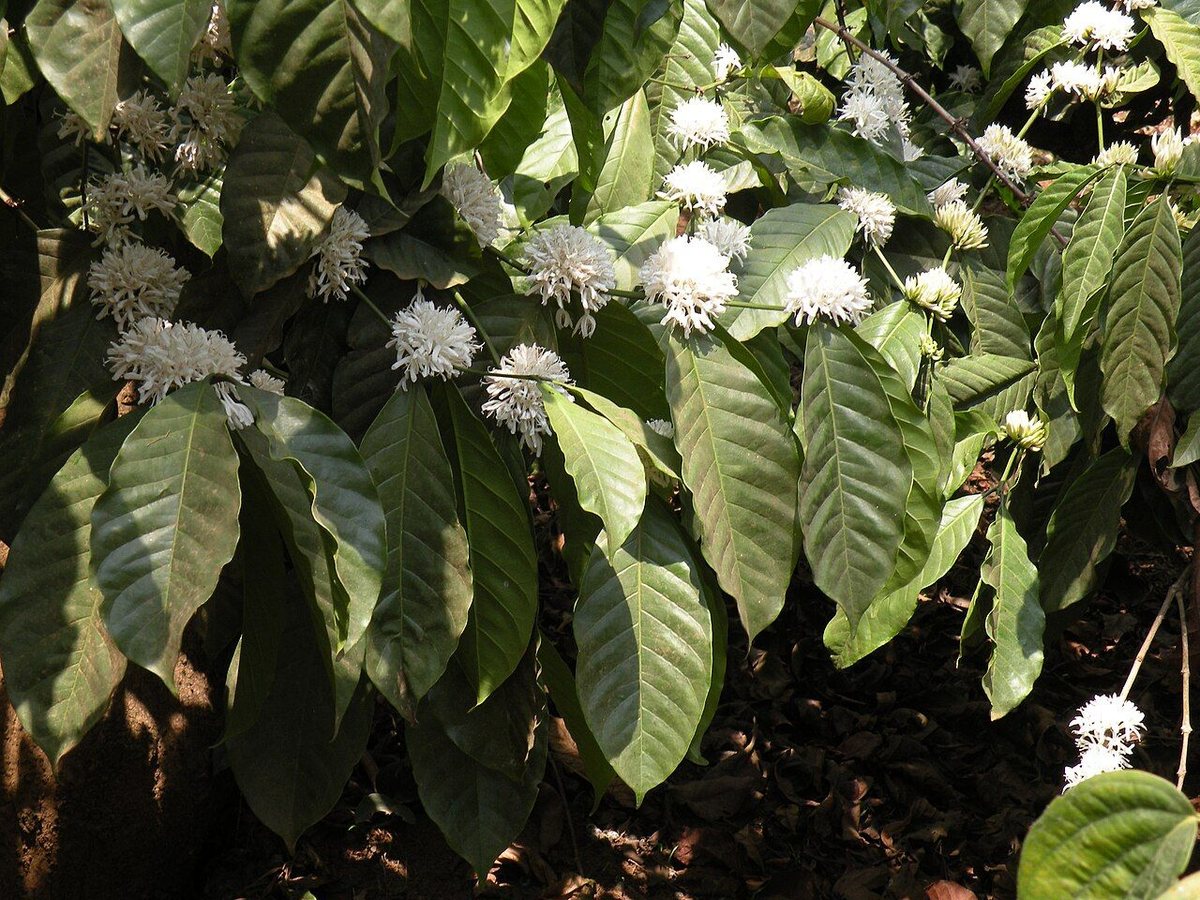
The Typica family represents the oldest and most widely dispersed lineage of cultivated Arabica coffee, tracing its roots to the original plants carried out of Yemen centuries ago. Though generally low-yielding, Typica and its descendants are celebrated for exceptional cup quality and form, alongside Bourbon, the genetic foundation of nearly all cultivated Arabica in the world today.
Frequently asked questions
- What is the difference between a coffee variety and a cultivar?
- A variety is a naturally occurring, genetically distinct population within a species. A cultivar (short for 'cultivated variety') is a plant selected and maintained by humans for specific traits such as cup quality, yield, or disease resistance. In practice the terms are often used interchangeably in the coffee trade, but the distinction matters for understanding where genetic diversity comes from and how it is preserved.
- Are all Arabica cultivars related to each other?
- Yes, in the sense that all cultivated Coffea arabica traces back to the wild populations of southwestern Ethiopia and, through the colonial trade, to a narrow bottleneck of plants that passed through Yemen and then the botanical gardens of Europe before being distributed to coffee-growing regions worldwide. Typica and Bourbon are the two primary branches of this lineage.
- Why don't F1 hybrid seeds breed true?
- F1 hybrids are produced by crossing two genetically uniform (inbred) parent lines. The resulting first-generation plants are vigorous and uniform, but when those plants self-pollinate, their offspring segregate into a wide range of genetic combinations rather than reproducing the parent's traits. Farmers must therefore source fresh F1 seed or use vegetative propagation each planting cycle.
- What makes Ethiopian heirloom coffees different from named cultivars?
- Ethiopian heirlooms represent thousands of distinct genotypes that have evolved over centuries under natural and low-intensity human selection. Unlike named cultivars such as Bourbon or Caturra, they have not been systematically selected for uniformity. This genetic diversity translates into an enormous range of flavour profiles across Ethiopia's different growing regions, and it is why Ethiopia is considered the primary genetic reservoir for Coffea arabica worldwide.
- Where does Geisha coffee originally come from?
- Geisha — more precisely spelled Gesha — originates from the Gori Gesha forest in southwestern Ethiopia. It was identified in the 1930s and seeds were collected in 1936. After being cultivated at research stations in Tanzania and then Costa Rica, it was distributed to Central America. It rose to international prominence in 2004–2005 when the Peterson family's Hacienda La Esmeralda entry won the Best of Panama competition at a then-record price.
- What percentage of global coffee production is Arabica?
- Sources vary slightly: Coffea arabica is commonly cited as representing approximately 55–60% of global coffee production, with Coffea canephora (Robusta) accounting for most of the remainder.
See also