Knowledge · plant
The Geisha Family
From Ethiopian forest to auction record: the rise of the world's most coveted coffee variety
Key facts
- Origin
- Gori Gesha Forest, southwestern Ethiopia
- Also called
- Gesha (Ethiopian spelling)
- Introduced to Panama
- 1960s, for rust resistance
- Breakthrough
- Won Best of Panama competition in 2005
- 2005 auction price
- US$350 per pound (record at time)
- Flavor profile
- Floral, jasmine, bergamot, tea-like clarity
Origins in the Gori Gesha Forest
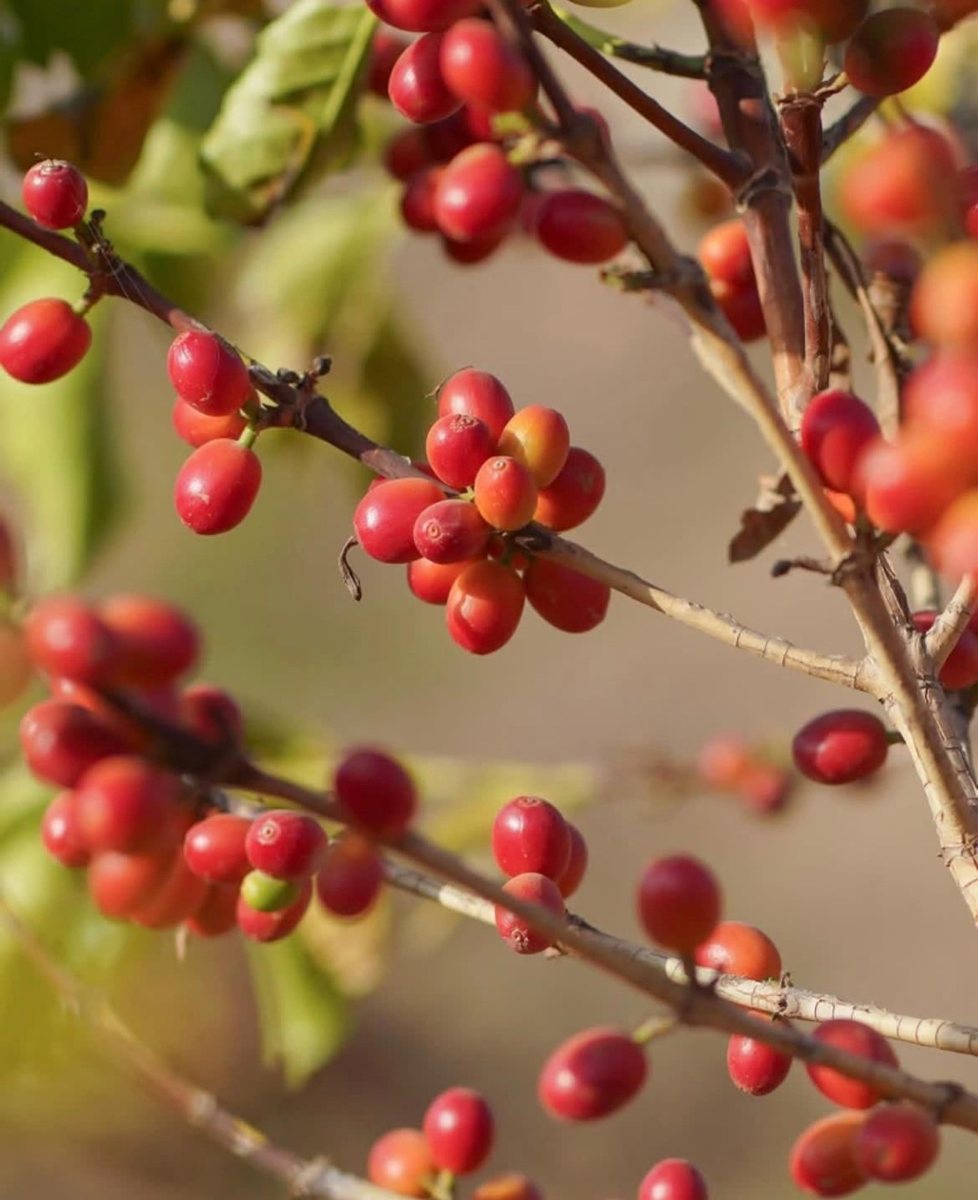
The variety now known as Geisha — or more accurately, Gesha — traces its roots to the montane forests of southwestern Ethiopia, the same region that serves as the primary center of genetic diversity for all Coffea arabica. Ethiopia's complex highland landscape, characterized by rich biodiversity and varied microclimates, gave rise to an exceptional range of wild coffee types, and Gesha was among them. The variety was identified in the 1930s in the mountainous Gesha region, and seeds were collected in 1936 by a British consul during a documented visit to what correspondence of the time called the "Geisha coffee area." That colonial-era phonetic rendering — likely a misspelling of the Amharic place name ጌሻ — attached itself permanently to the variety, even as awareness of the confusion with Japanese geisha entertainers has grown in recent years. Today, Ethiopian-origin coffees often use the spelling Gesha, while those grown elsewhere more commonly retain Geisha, though practices vary among producers.
The Journey from Ethiopia to Panama
After initial collection, seeds were sent to the Tengeru (now Lyamungu) Coffee Research Station in Tanzania, where plants were successfully cultivated under the accession code VC-496. In 1953, material from Lyamungu was transferred to the Centro Agronómico Tropical de Investigación y Enseñanza (CATIE) in Costa Rica, where it was recorded as accession T2722. From CATIE, the variety was distributed across Central America. It reached Panama during the 1960s, introduced partly because of its resistance to coffee leaf rust, a fungal disease that was devastating farms in regions like Boquete. Despite this disease resistance, Geisha presented agronomic challenges — its root system is relatively small and its yield low — and without a specialty market to reward its cup quality, farmers largely set it aside in favor of more productive varieties. It remained dormant on some Panamanian farms for decades, its potential unrealized.
The Hacienda La Esmeralda Breakthrough
The variety's transformation into a global phenomenon came when the Peterson family of Hacienda La Esmeralda in Boquete, Panama, entered a Geisha lot into the Best of Panama competition. In 2005, it won the competition and sold for a then-record price of US$350 per pound (approximately US$770 per kilogram), a figure that stunned the specialty coffee world and signaled the arrival of a new era in competitive coffee auctions. The lot's flavor profile — intensely floral, tea-like, with vivid jasmine, bergamot, and tropical fruit clarity unlike anything the industry had widely encountered — made an immediate and lasting impression on judges, buyers, and roasters alike.
The records did not stop there. In 2017, a naturally processed Geisha lot from Hacienda La Esmeralda set a new Best of Panama record at US$601 per pound (approximately US$1,320 per kilogram). Private auctions have since pushed prices further: in September 2022, seven pounds of Geisha from the Lamastus Family Estate sold for US$42,000 through a private auction hosted by Sensible Coffee. These figures, each remarkable in isolation, collectively reshaped expectations for what a single coffee variety could command — and what specialty coffee buyers were willing to pay for transcendent cup quality.
Flavor Profile and What Makes Geisha Distinct
Geisha's defining characteristic is its flavor clarity. Where many high-quality Arabicas offer complexity through layered fruit or chocolate notes, Geisha is celebrated for its almost translucent, tea-like quality — delicate and precise rather than dense or heavy. Floral notes, particularly jasmine, are central to its identity, often accompanied by bergamot, tropical stone fruits, and a refined sweetness. Washed (wet-processed) Geisha tends to emphasize this clarity, delivering bright, well-defined acidity and a lighter body that lets its aromatic florality shine. Naturally processed lots lean fuller-bodied and fruitier while retaining the variety's hallmark aromatic lift. The genetic distinctiveness of Panamanian Geisha has been confirmed through fingerprinting, meaning the variety has a verifiable identity that separates it from the many coffees loosely labeled with its name.
Spread, Cultivation, and the Geisha Family Today
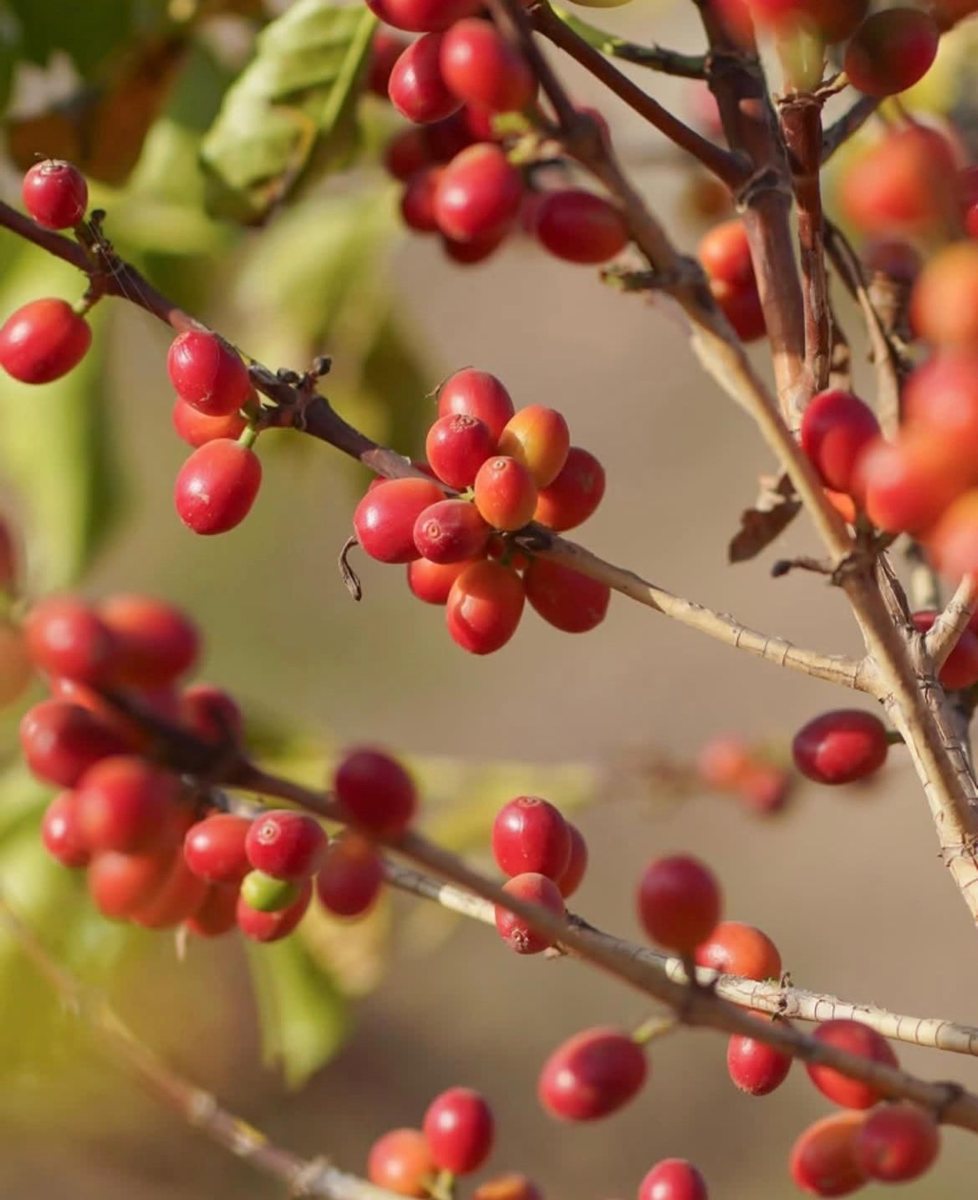
Following its Panamanian breakthrough, Geisha cultivation spread rapidly across coffee-growing regions in Africa, Asia, and the Americas as producers sought to replicate the variety's auction success. Growing Geisha remains demanding: its low productivity and sensitivity require careful management, and its flavor potential is highly dependent on elevation, soil, and processing. Not every lot labeled Geisha delivers the defining cup profile, and the variety's prestige has led to inconsistent labeling in the broader market. Nevertheless, authenticated Geisha from established producers continues to command premium prices and extraordinary critical attention, anchoring an entire category of ultra-premium specialty coffee. The individual varieties belonging to the Geisha family — including the foundational Geisha (Gesha) cultivar — are listed below this article.
In this section
Frequently asked questions
- What is the difference between 'Geisha' and 'Gesha'?
- Both names refer to the same Ethiopian-origin coffee variety. 'Gesha' is the more accurate transliteration of the Amharic name ጌሻ for the region where the variety was collected. 'Geisha' became attached to the coffee through early British colonial usage and phonetic rendering. Today, Ethiopian-grown coffees more often use 'Gesha,' while those grown in Panama and Latin America more commonly use 'Geisha,' though practices vary among producers.
- Where did Geisha coffee originate?
- Geisha originated in the Gori Gesha forest in the mountainous southwestern highlands of Ethiopia. Seeds were collected in the 1930s and 1940s and subsequently sent to research stations in Tanzania and Costa Rica before being distributed to Central America and eventually Panama.
- Why is Geisha coffee so expensive?
- Geisha commands exceptionally high prices due to its rare and distinctive flavor profile — intensely floral, tea-like, with jasmine and bergamot clarity — combined with low yields per plant and demanding cultivation requirements. Its reputation was cemented by record-breaking auction prices, beginning with the 2005 Best of Panama competition where it sold for US$350 per pound, with subsequent auctions pushing prices far higher.
- What does Geisha coffee taste like?
- Geisha is prized for its tea-like clarity, delicate body, and vivid floral aromatics, particularly jasmine and bergamot, often accompanied by tropical fruit and refined sweetness. Washed lots emphasize brightness and aromatic precision, while naturally processed lots tend toward fuller body and deeper fruit, though both retain the variety's signature floral character.
- Is all coffee labeled 'Geisha' the same variety?
- Not necessarily. Many coffees are loosely labeled Geisha, but Panamanian Geisha has a distinct and verifiable genetic fingerprint that differentiates it from other coffees carrying the name. Provenance and processing methods significantly affect whether a given lot expresses the variety's defining cup qualities.
See also