Knowledge · industry
The Coffee Industry
A global system spanning cultivation, trade, craft, and culture — from Ethiopia's highland forests to the world's specialty cafés.
Key facts
- Origin
- Highland forests of Ethiopia, Sufi Yemen in 15th century
- Largest Producer
- Brazil, since 1852, 31% global share in 2023
- Major Expansion
- Introduced to Java 1600s, Caribbean 1720s, Haiti by 1788
- Three Waves
- Mass market, café culture, artisan specialty coffee
- Specialty Grade
- 80 points or above on 100-point cupping scale
- Global Industry Value
- 495.50 billion USD in 2023
- Growing Region
- Bean Belt between Tropics of Cancer and Capricorn
Origins and Early History
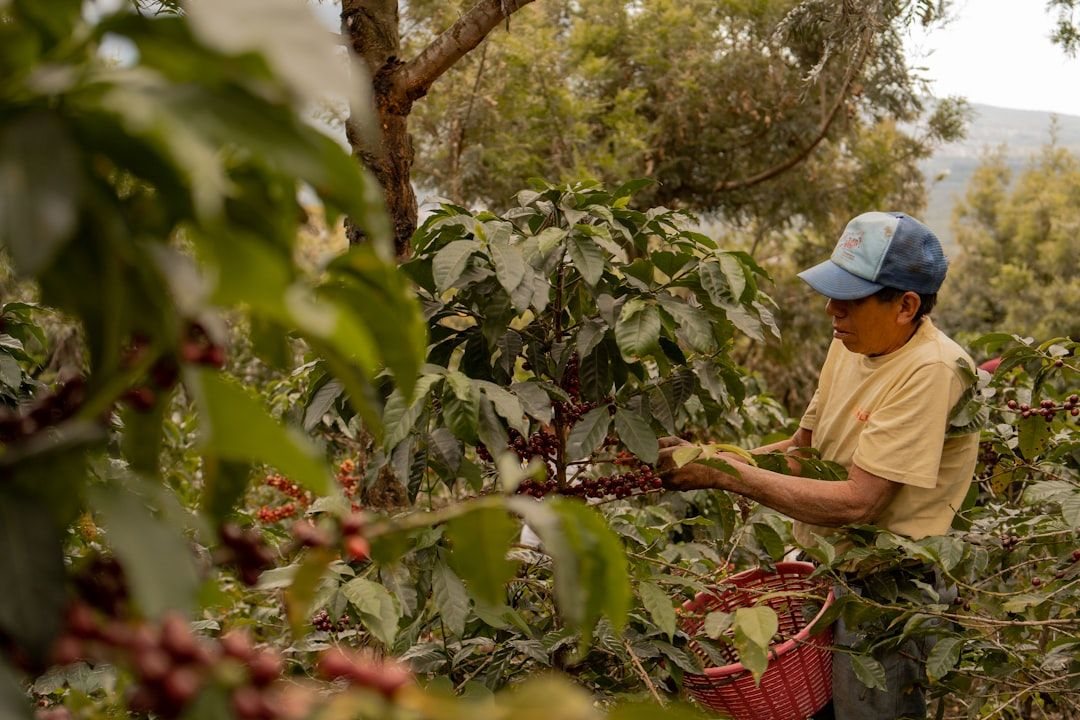
The story of coffee as an industry begins in the highland forests of Ethiopia, where wild Coffea plants are indigenous. The beverage itself, however, has its verifiable roots in Yemen, where Sufi Muslims in the 15th century brewed and consumed it to aid concentration during nighttime prayers. By the late 15th century, coffee drinking was well established among Sufi communities there. [S1, S2]
From Yemen, coffee spread rapidly. By the early 16th century it had reached Cairo, Damascus, and Istanbul, where coffeehouses became central institutions of urban social life. The Yemeni port of Mocha remained the world's sole commercial gateway for coffee until the end of the 17th century. [S1]
Colonial-era transfers broke that monopoly. Dutch traders introduced cultivation to Java in the 17th century, and in 1720 Gabriel de Clieu brought seedlings to Martinique, from which coffee spread across the Caribbean. By 1788, Saint-Domingue (present-day Haiti) supplied roughly half the world's coffee. By 1852, Brazil had become the world's largest producer — a position it has held ever since. In 2023, Brazil accounted for 31% of global production, followed by Vietnam, which overtook Colombia as the second-largest producer in 1999. [S1, S2]
For a deeper look at the full arc of coffee's past, see A History of Coffee.
The Three Waves of Coffee Culture
Industry analysts commonly describe modern coffee culture through the framework of three waves, each representing a distinct relationship between producers, roasters, retailers, and consumers.
First Wave
The first wave prioritized accessibility and consistency. Pre-ground, vacuum-packed, mass-market coffee from brands like Folgers and Maxwell House defined this era. Consumers generally did not differentiate by origin or beverage type, and the focus was on low price and reliable taste. [S3]
Second Wave
The second wave began in earnest with Peet's Coffee & Tea of Berkeley, California, which in the late 1960s started sourcing from artisanal producers and building a dark-roast identity around country of origin. Peet's directly inspired the founders of Starbucks, and the wave soon introduced espresso-based beverages — particularly Italian-style drinks — to mass audiences. At-home consumption gave way to the café as a destination. [S3]
Third Wave
The third wave reframes coffee as an artisan product akin to fine wine. The term is generally attributed to coffee professional Trish Rothgeb, though Timothy J. Castle used it as early as December 1999. Third-wave practice emphasizes:
- Single-origin sourcing — beans traced to specific farms or micro-lots rather than generic country blends
- Light to medium roasting — preserving the terroir-driven flavor characteristics of the bean
- Transparency in the supply chain — including direct relationships with producers
- Skilled preparation — precision brewing, calibrated extraction, and trained baristas
The term specialty coffee — coined in 1974 by Erna Knutsen in Tea & Coffee Trade Journal — underpins the third wave. The Specialty Coffee Association (SCA) defines specialty coffee as beans scoring 80 points or above on a standardized 100-point cupping scale; coffees scoring 90–100 are graded Outstanding, 85–89.99 Excellent, and 80–84.99 Very Good. [S3, S4]
The Bean-to-Cup Supply Chain
Coffee's journey from seed to cup involves a long, complex chain with distinct actors at each stage. For detailed treatment, see The Coffee Supply Chain.
Key stages include:
- Cultivation — Coffee is grown in the "Bean Belt," the equatorial band between the Tropics of Cancer and Capricorn, across more than 70 countries in the Americas, Africa, Southeast Asia, and the Indian subcontinent. [S2, S4]
- Harvesting and processing — Cherries are selectively hand-picked or strip-harvested, then processed (washed, natural, or honey) to separate the green bean from the fruit.
- Milling and export — Green coffee is hulled, sorted, graded, and bagged for export as an agricultural commodity traded on global exchanges.
- Roasting — Roasters transform green beans through heat, developing the volatile compounds responsible for aroma and flavor.
- Retail and café — Coffee reaches consumers through supermarkets, subscription services, and cafés, where it is brewed using a variety of methods.
The SCA sets standards at every stage of this chain, including allowable defects in green beans (a maximum of 0–5 defects per 350 g for specialty grade), water quality, and brew strength parameters. [S4]
Despite generating a global industry worth $495.50 billion in 2023, the system is marked by deep inequity: coffee farmers disproportionately live in poverty even as the downstream value of the commodity is enormous. [S2]
Trade Models: Commodity, Fair Trade, and Direct Trade
How coffee is priced and purchased has significant consequences for producers. Three broad models operate in the industry:
Commodity Trading
The majority of the world's coffee is traded as a fungible agricultural commodity on exchanges such as the ICE Futures U.S. (arabica) and the London International Financial Futures Exchange (robusta). Prices fluctuate with global supply and demand, often disconnecting from the cost of production — a persistent source of economic instability for smallholder farmers.
Fair Trade
Fair Trade certification schemes aim to guarantee minimum floor prices and community premiums to certified producer cooperatives. They impose social and environmental standards as conditions of certification, providing a degree of price stability and producer protection that the open commodity market does not.
Direct Trade
Direct trade is a sourcing philosophy — rather than a formal certification — associated primarily with third-wave roasters. It involves roasters building long-term, transparent relationships directly with farms or cooperatives, often paying significant premiums above commodity or Fair Trade prices in exchange for exclusive access to high-quality lots. The "Big Three" U.S. third-wave roasters — Intelligentsia Coffee & Tea, Stumptown Coffee Roasters, and Counter Culture Coffee — all engage in direct trade sourcing. [S3] Critics note that, unlike Fair Trade, direct trade lacks independent verification.
Certifications and Quality Standards
Certifications serve as signals of quality, ethics, or environmental stewardship across the supply chain. Key schemes include:
- SCA Specialty Grade — The industry's quality benchmark: 80+ points on the SCA cupping form, hand-picked selective harvesting, and strict defect limits. [S4]
- Fair Trade — Price floors and social standards for producer cooperatives.
- Organic — Restricts use of synthetic pesticides and fertilizers; increasingly sought alongside specialty designations.
- Rainforest Alliance / UTZ — Environmental and social sustainability standards with third-party auditing.
- Cup of Excellence — An auction-based program that scores and showcases the highest-quality lots from participating countries, establishing benchmark prices for exceptional micro-lots.
Activists and organizations are pushing to embed environmental and socioeconomic indicators more deeply into quality definitions, arguing that true excellence cannot be separated from sustainable and equitable production practices. [S4]
Competitions and the Specialty Ecosystem
Competitions play a meaningful role in elevating standards across the industry, driving innovation at both the production and preparation levels.
- The World Barista Championship (WBC) is the sport's premier event. Australia has won three times (2003, 2015, and 2022); the UK dominated from 2007 to 2009, with James Hoffmann winning in 2007. [S3]
- Barista competitions were first noted in mainstream media in 2005, in coverage of the third-wave coffee movement. [S3]
- Cup of Excellence competitions reward exemplary lots at the farm level, connecting producers directly to international buyers through competitive auctions.
- Events like the World Brewers Cup and World Coffee Roasting Championship extend competitive formats across the supply chain.
These competitions raise the profile of specialty coffee globally and establish pricing signals that can benefit high-performing producers.
Economics and Climate Pressures
The global coffee industry confronts two structural challenges that are increasingly intertwined: economic inequality and climate vulnerability.
Economic Pressures
- Despite a global retail market valued at $495.50 billion in 2023, the economic benefits are distributed highly unevenly. [S2]
- Smallholder farmers — who produce the majority of the world's arabica — remain vulnerable to commodity price volatility.
- The concentration of market power downstream (roasters, retailers, multinational chains) versus upstream (often subsistence-level farmers) sustains structural poverty in producing regions.
- Brazil's domestic consumption reached 21 million bags in 2014, close to the U.S. figure of 23.4 million bags, signaling growing consumption in producing nations — a shift with potential long-term market implications. [S4]
Climate Pressures
- Coffee is highly sensitive to temperature, rainfall patterns, and altitude. Coffea arabica is particularly vulnerable to rising temperatures and shifting precipitation.
- The "Bean Belt" is projected to shrink and shift under climate change scenarios, reducing suitable growing area in many current producing countries.
- Land clearing for coffee cultivation and intensive water use are cited as significant environmental concerns. [S2]
- Genetic diversity in arabica is notably low, making the species more susceptible to disease outbreaks such as coffee leaf rust (Hemileia vastatrix), which has devastated crops in Central America. [S1]
Responses include investment in climate-resilient varieties, agroforestry systems, and altitude-based migration of cultivation — all areas where research institutions and industry bodies are actively collaborating.
In this section
Coffee Certifications
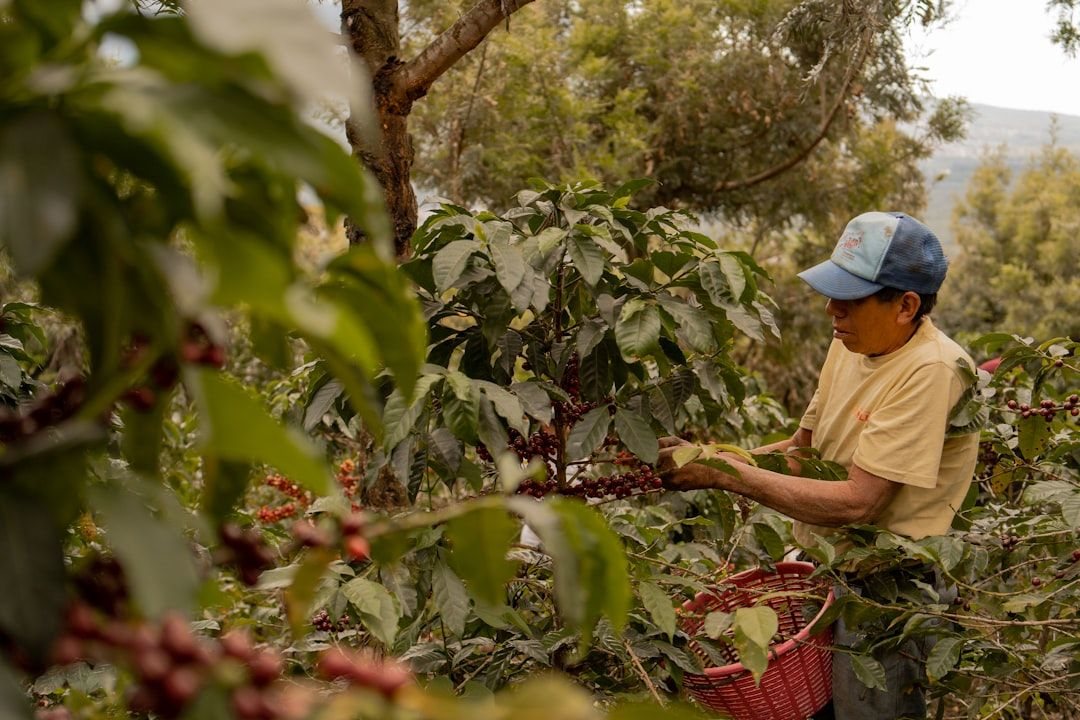
Coffee certifications — from Fair Trade and Organic to Rainforest Alliance, UTZ, and Smithsonian Bird-Friendly — are third-party systems designed to guarantee social, economic, or environmental standards along the supply chain. Understanding what each label actually promises, and what it does not, is essential for roasters, retailers, and consumers who want to connect quality with conscience.
Coffee Competitions
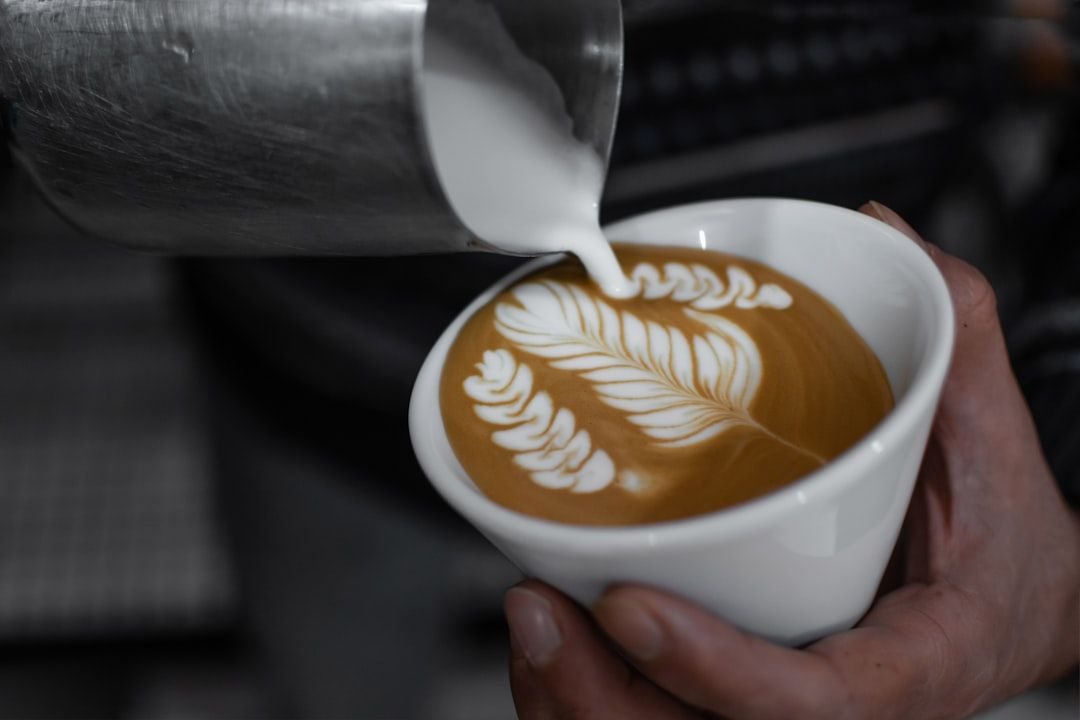
Coffee competitions—from the World Barista Championship to the Cup of Excellence auction—are the sport, science, and marketplace of the specialty coffee world, shaping careers, defining quality standards, and directly influencing the prices paid to farmers for exceptional green coffee.
Direct Trade
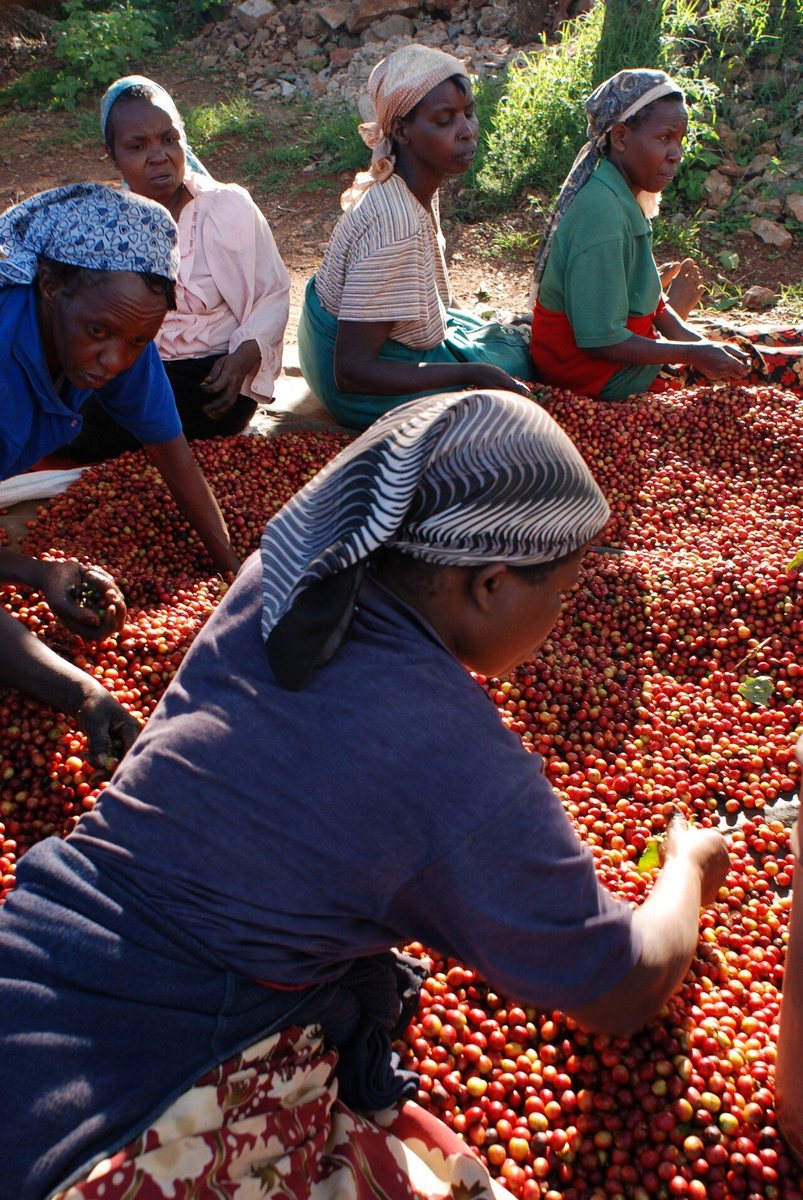
Direct trade is a sourcing philosophy in which roasters, chocolate makers, and other specialty buyers build long-term, transparent relationships directly with the farmers and processors who grow their crops — bypassing intermediaries, negotiating prices openly, and tying premium payments to measurable quality standards. Unregulated by any single body, the term carries both genuine promise and significant criticism.
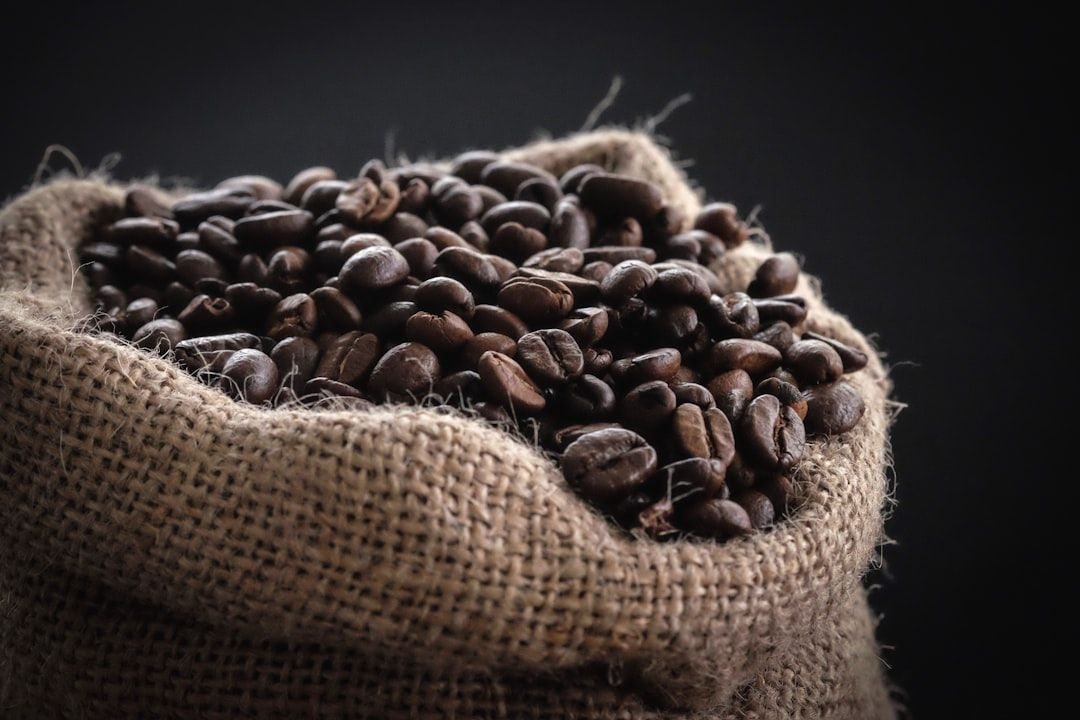
Coffee Economics & Climate
Coffee sits at the intersection of global commodity markets, smallholder livelihoods, and accelerating climate stress. The price a farmer receives for green coffee is shaped by futures markets, quality premiums, and production costs that are increasingly difficult to reconcile — while climate change quietly redrafts the map of where coffee can be grown at all.
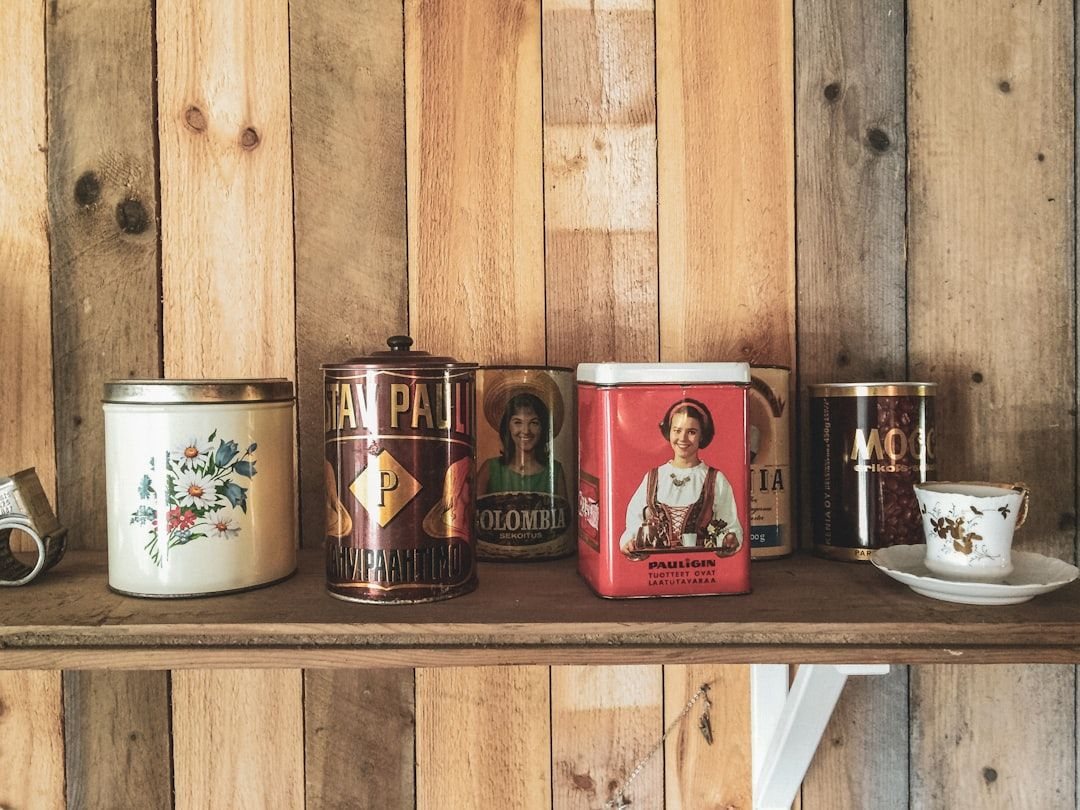
First Wave Coffee
First wave coffee defined the twentieth century's relationship with the beverage: mass-produced, affordably priced, and engineered for consistency rather than character. It put coffee on every kitchen table, built household brands, and — in doing so — made quality a secondary concern to convenience and cost.

A History of Coffee
From a legendary Ethiopian goatherd to the global industry supplying billions of cups daily, coffee's history is a story of trade, religion, politics, and culture spanning more than five centuries of documented use.

Second Wave Coffee
The second wave of coffee reshaped how millions of people understood, ordered, and experienced their daily cup — introducing espresso-based drinks, country-of-origin thinking, and the café as a destination, and laying the groundwork for today's specialty movement.
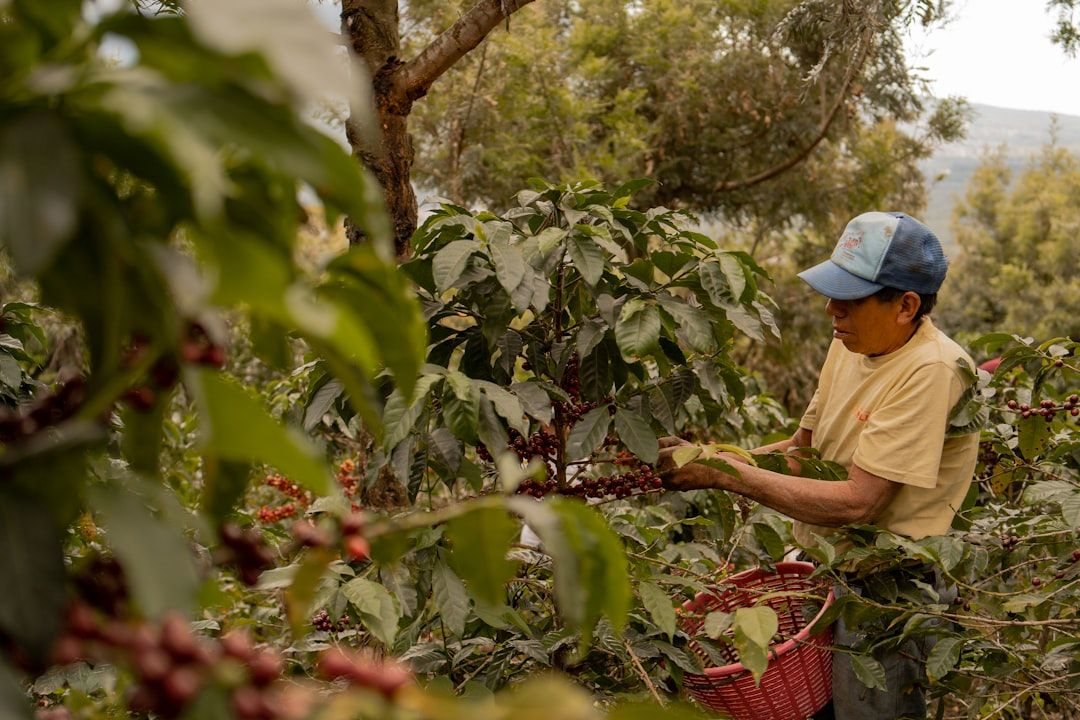
The Coffee Supply Chain
From a flowering shrub on a hillside farm to the cup in a café, coffee passes through one of the most complex agricultural supply chains in the world — spanning continents, currencies, and a dozen distinct value-adding steps. Understanding who does what, and who earns what, reveals why quality and price transparency matter so much.
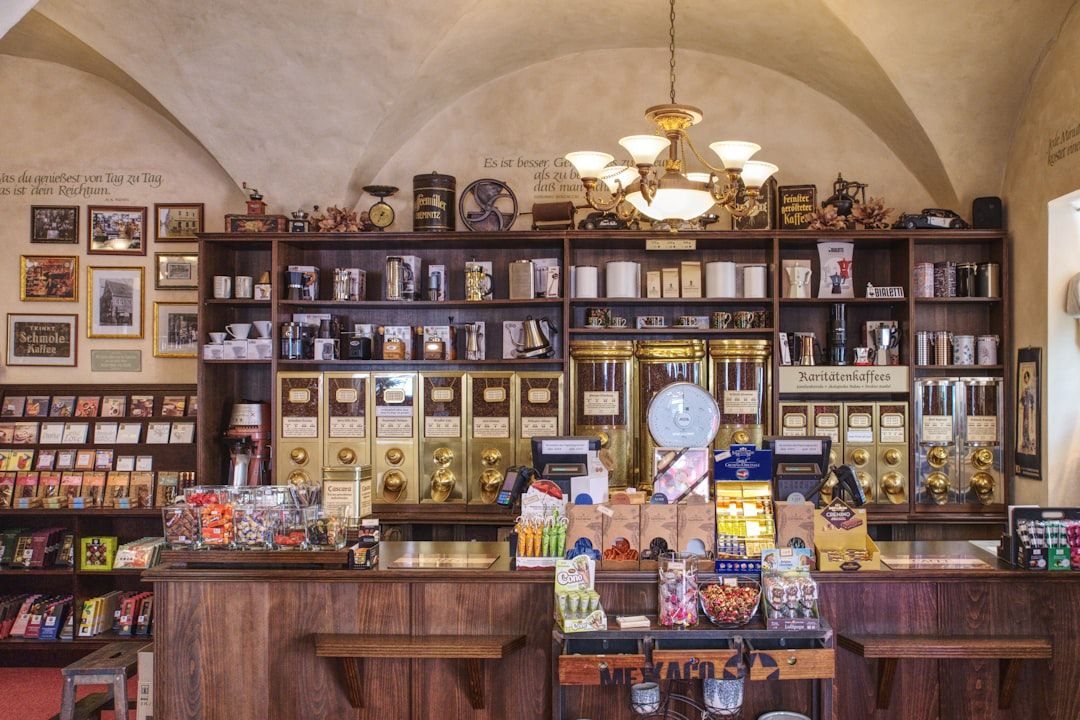
Third Wave Coffee
Third wave coffee treats the beverage as an artisanal product worthy of the same scrutiny given to fine wine or craft beer — tracing each lot to a specific farm, roasting lightly to preserve terroir, and demanding precision at every stage of brewing. The movement reshaped how the industry thinks about quality, transparency, and the relationship between grower and cup.
Frequently asked questions
- What is the global coffee industry worth?
- According to figures cited for 2023, the global coffee industry was valued at $495.50 billion, making it one of the world's largest agricultural commodity markets.
- Which country produces the most coffee?
- Brazil has been the world's largest coffee producer since 1852 and in 2023 accounted for approximately 31% of global production. Vietnam is the second-largest producer, having overtaken Colombia in 1999.
- What is specialty coffee?
- Specialty coffee refers to the highest grade of coffee, defined by the Specialty Coffee Association as beans scoring 80 points or above on a standardized 100-point cupping scale. It typically involves single-origin or single-estate sourcing, selective hand-picking of mature cherries, and no more than 5 defects per 350 g of milled beans.
- What is the difference between fair trade and direct trade?
- Fair Trade is a formal certification scheme that sets minimum price floors and social standards for producer cooperatives, verified by independent bodies. Direct trade is a sourcing philosophy — not a formal certification — in which roasters build transparent, long-term purchasing relationships directly with farms or cooperatives, often paying premium prices for exclusive access to high-quality lots.
- What are the three waves of coffee?
- The first wave prioritized low-cost, consistent coffee for mass consumption. The second wave, associated with companies like Peet's and Starbucks, introduced country-of-origin differentiation and espresso-based café culture. The third wave treats coffee as an artisan product, emphasizing single-origin sourcing, light roasting, supply chain transparency, and skilled preparation.
- Why do coffee farmers often remain in poverty despite the industry's scale?
- Although the global coffee retail market is worth hundreds of billions of dollars, market power is concentrated downstream among roasters and retailers. Smallholder farmers are exposed to volatile commodity prices that often fall below the cost of production, and they capture only a small fraction of the final retail value of the coffee they grow.
See also