Knowledge · roasting
Coffee Roasting
How heat, chemistry, and craft turn green seeds into one of the world's most complex flavored beverages
Key facts
- Transforms
- Green beans into complex flavored beverage via heat
- Mass loss
- Approximately 15–20% during roasting
- Three phases
- Drying, Maillard, Development
- Key milestone
- First crack indicates light roast threshold
- Storage stability
- Green coffee viable for months or years
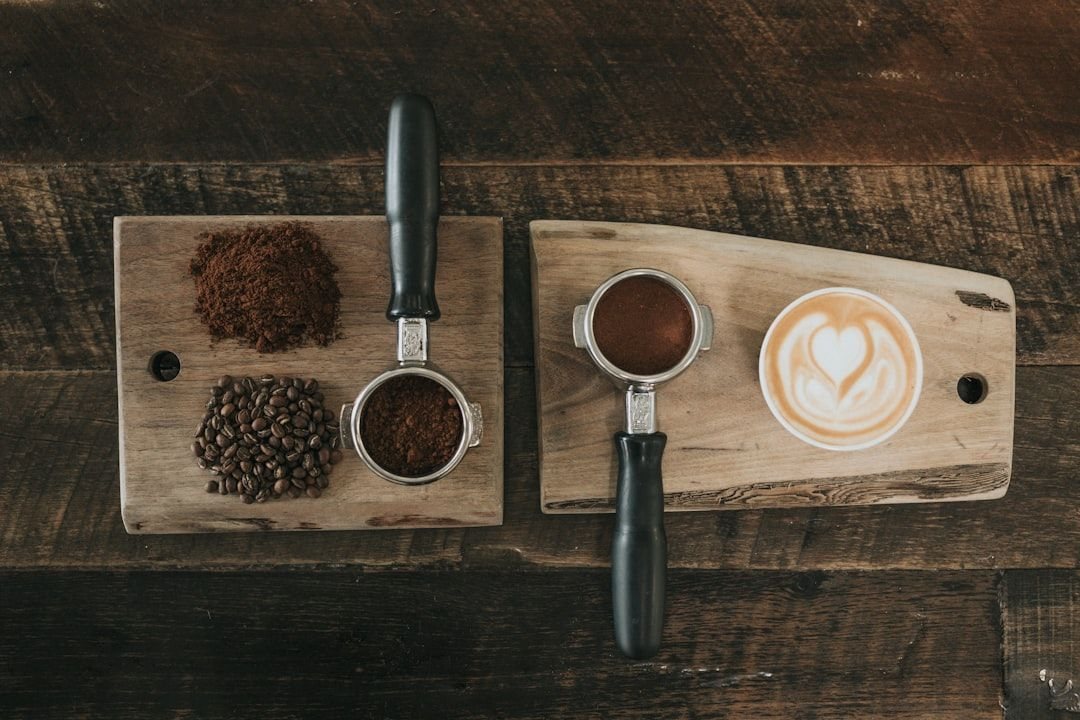
What Roasting Does to Green Coffee
Green coffee beans are chemically rich but sensorially inert. As noted in foundational references on the subject, unroasted beans contain similar if not higher levels of acids, proteins, sugars, and caffeine as roasted beans — yet they produce none of coffee's characteristic taste. What they lack is the transformation that only heat can trigger.
Roasting subjects beans to dry heat, driving a cascade of physical and chemical reactions that restructure virtually every compound in the seed. Moisture is expelled, cell walls rupture, gases accumulate, starches degrade into simpler sugars, proteins fragment, and hundreds of new volatile aroma compounds are synthesized from scratch. The result is a bean that has lost roughly 15–20% of its original mass (primarily as water and CO₂), expanded in volume, and changed irreversibly in color, density, and flavor potential.
Because roasted beans are far less stable than green ones — absorbing ambient odors, losing CO₂, and undergoing oxidative staling — coffee tends to be roasted close to where it will be consumed. Green coffee, by contrast, can remain viable for months or even years under proper storage.
For a deeper treatment of the molecular mechanisms at work, see The Chemistry of Roasting.
The Three Phases of a Roast
A modern roast is conventionally divided into three overlapping phases. Understanding them is essential to understanding how roast operators — often called roasters or roast masters — shape flavor.
1. The Drying Phase
Green beans arrive at the roaster carrying roughly 8–12% moisture by weight (the exact figure varies by origin, processing method, and storage). The earliest portion of every roast is dominated by the evaporation of this free and bound water. The bean surface and interior temperature rise, but the endothermic cost of vaporizing moisture means the rate of temperature increase is relatively slow.
During this phase the beans transition from green to yellow, and the roaster smells grassy, hay-like, or bread-like aromas — the scent of drying grain rather than coffee. No significant flavor-positive chemistry is occurring yet; the primary goal is to heat the bean mass evenly so that the subsequent reactive phases proceed uniformly from surface to core.
2. The Maillard Phase
Once sufficient moisture has left the bean and temperatures climb — commonly into the range above approximately 140–150 °C at the bean surface — the Maillard reaction begins in earnest. This is the same family of non-enzymatic browning reactions responsible for the crust on bread, the color of roasted meat, and the flavor of toasted grains. In coffee, it involves the reaction of reducing sugars with amino acids and peptides to produce a vast library of nitrogen-containing and other heterocyclic compounds.
This phase is responsible for the development of most of coffee's roasted, nutty, bready, and caramel-like aromatic precursors. Bean color moves from yellow toward tan and then light brown. The roaster's environment fills with increasingly recognizable coffee aromas. Parallel to Maillard chemistry, caramelization of sucrose and other sugars also contributes sweetness-associated and slightly bitter compounds.
The Maillard phase is where the majority of flavor complexity is built. Roasters who shorten it risk underdeveloped, cereal-like cups; those who extend it excessively at high temperatures risk scorching or baking flavors.
3. The Development Phase
The development phase begins at first crack (see below) and ends when the roaster decides to stop the roast — by dropping the beans into a cooling tray and quenching them rapidly with forced air. This phase governs the balance between acidity, sweetness, body, and bitterness in the final cup.
Development time ratio (DTR) — the proportion of total roast time that occurs after first crack — is a metric widely tracked in specialty roasting. Extending development deepens body and reduces perceived acidity; cutting it short preserves brightness and fruit-forward character. The precise DTR that produces optimal results varies by bean density, processing method, and target flavor profile.
For a detailed treatment of development metrics and how roasters track them, see Roast Development & Crack.
First Crack and Second Crack
The two audible crack events are among the most recognizable milestones in roasting, used by roasters worldwide as real-time indicators of roast progression.
First Crack
First crack occurs when steam and CO₂ pressure built up inside the bean's cellular structure exceeds the structural integrity of the cell walls, causing them to rupture audibly. The sound is similar to popcorn popping — sharp, staccato, and clearly audible even over a drum roaster's motor. First crack is an exothermic event: after an extended endothermic drying and early Maillard phase, the bean briefly releases heat as it cracks.
At first crack, beans are at the threshold of what most specialty roasters consider a light roast. Roasts stopped here or shortly after tend to showcase origin character — the inherent fruit, floral, or tea-like notes that reflect a bean's genetics, terroir, and processing.
Second Crack
Second crack follows at higher temperatures and sounds different — faster, more continuous, and crackling rather than popping, as the increasingly brittle cell structure shatters more extensively. Oils migrate toward the bean surface, producing the characteristic sheen associated with darker roasts.
Roasts taken to or through second crack develop pronounced roasty, bittersweet, and smoky flavors. Origin character — the nuances that distinguish an Ethiopian Yirgacheffe from a Colombian Huila — becomes progressively masked as roast-derived compounds dominate.
For comparative profiles of what each crack threshold tastes like in the cup, see Roast Levels Explained.
Roast Level and Its Interaction with Origin
One of specialty coffee's central debates concerns how roast level should respond to — or override — the inherent character of a given origin. The principle is well established: roast level and origin character interact, not independently.
-
High-grown, dense, washed coffees (many East African and some Central American origins) tend to carry high acidity and delicate floral or fruit aromatics. These are typically best showcased at lighter roast levels — stopped shortly after first crack — where the roaster's job is preservation rather than transformation. Light Roast profiles are designed around this philosophy.
-
Lower-grown or naturally processed coffees with higher residual sugars and heavier body can often support longer development or slightly darker profiles without losing their identity. Medium Roast approaches seek to balance origin sweetness with roast-derived complexity.
-
Darker roasts flatten origin differences and emphasize the roast itself: bittersweetness, low acidity, full body, and surface oils. Dark Roast profiles are deliberately constructed around these roast-derived attributes, and are suited to preparation methods like espresso or French press where body and intensity are priorities.
The relationship also runs through bean density and moisture content. Denser beans require more energy input to reach equivalent internal temperatures, meaning a roaster cannot simply apply the same time-temperature curve across all origins and expect consistent results. Professional roast profiling accounts for green coffee variables including screen size, density, moisture percentage, and processing method.
Roasting Equipment and Scale
The history of coffee roasting equipment spans from the thin perforated metal pans used over braziers in the Ottoman Empire during the 15th century, to the first cylinder roaster with a crank — designed to keep beans in motion — which appeared in Cairo around 1650. French, Dutch, and Italian variations of this design spread across Europe and the American colonies over the following century.
The 19th century saw the issuance of numerous commercial roasting patents in the U.S. and Europe, enabling large-batch production. By the early 1900s, commercially roasted coffee had gradually overtaken home roasting in America, aided by innovations such as the one-pound paper bag of pre-roasted coffee introduced in Philadelphia in 1864. The first electric roasters were patented in 1903 (U.S.) and 1906 (Germany), eliminating the problem of smoke or fuel vapor tainting the beans.
Today's commercial roasters fall into two broad categories:
- Drum roasters: Beans tumble inside a rotating metal drum heated by gas or electric elements. The most common commercial design; allows precise control of airflow, drum speed, and heat application.
- Fluid-bed (hot-air) roasters: Beans are suspended and agitated in a stream of heated air. Associated with faster roast times and, some argue, cleaner cup clarity. The design was popularized in the specialty market in part by chemical engineer Michael Sivetz, who patented a hot-air design for U.S. manufacture in 1976.
The growth of specialty and single-origin coffee since the 1970s and 1980s has driven significant expansion in small-scale commercial roasting, where roasters can optimize profiles for individual lots rather than blends designed for consistency across mass-market products.
Post-Roast: Degassing and Freshness
The roasting process generates enormous quantities of carbon dioxide within the bean's cellular structure. Immediately after roasting, beans off-gas CO₂ at a rapid rate — a process that continues for days to weeks, depending on roast level (darker roasts degas faster), grind state (ground coffee degasses almost immediately), and storage conditions.
Degassing matters for two reasons. First, excess CO₂ in very freshly roasted coffee can interfere with extraction, causing bloom in pour-over brewing and inconsistent espresso shots. Second, as CO₂ leaves the bean, oxygen begins to enter, initiating oxidative staling. The window of peak flavor — after sufficient degassing but before significant staling — is one of the practical realities every roaster and barista must navigate.
Packaging innovations such as one-way valve bags allow CO₂ to escape without permitting oxygen ingress, extending usable shelf life. The broader topic of how roasted coffee changes over time connects directly to roast level, grind, and storage, all of which influence the rate of both degassing and oxidation.
Roast Profiling and Quality Control
Modern specialty roasters do not simply apply heat and stop at a visual or auditory cue. Roast profiling involves logging bean temperature and environmental temperature throughout the roast, typically via thermocouple probes logged by software, and analyzing the resulting curves to identify turning point (the moment the bean temperature stops dropping after charge and begins rising), rate of rise (ROR), and development time ratio.
Consistency across batches — roasting the same green coffee to the same flavor outcome day after day — is one of the principal challenges of professional roasting. Variables including ambient temperature, humidity, batch size, and green coffee moisture all influence the energy dynamics of a given roast. Quality-control protocols typically include regular cupping of production batches against a reference standard, with color measurement (using tools calibrated to the Agtron scale, commonly referenced in the specialty industry) providing an objective cross-check alongside sensory evaluation.
For a full breakdown of how profiles map to sensory outcomes, see Roast Levels Explained.
In this section
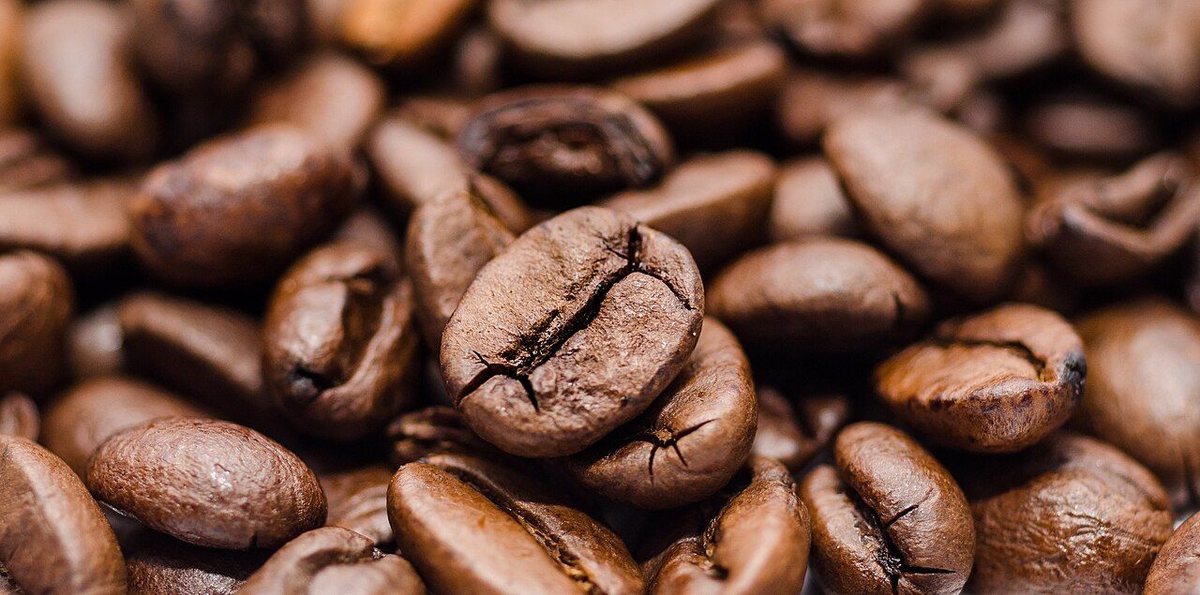
The Chemistry of Roasting
Coffee roasting is fundamentally a chemical transformation: heat drives a cascade of overlapping reactions that convert the grassy, beany character of green coffee into the complex aromatic beverage we recognize. Understanding these reactions—from simple moisture loss to the intricate Maillard cascade, caramelization, pyrolysis, acid evolution, CO₂ generation, and oil migration—is essential to understanding why roast level matters so profoundly.
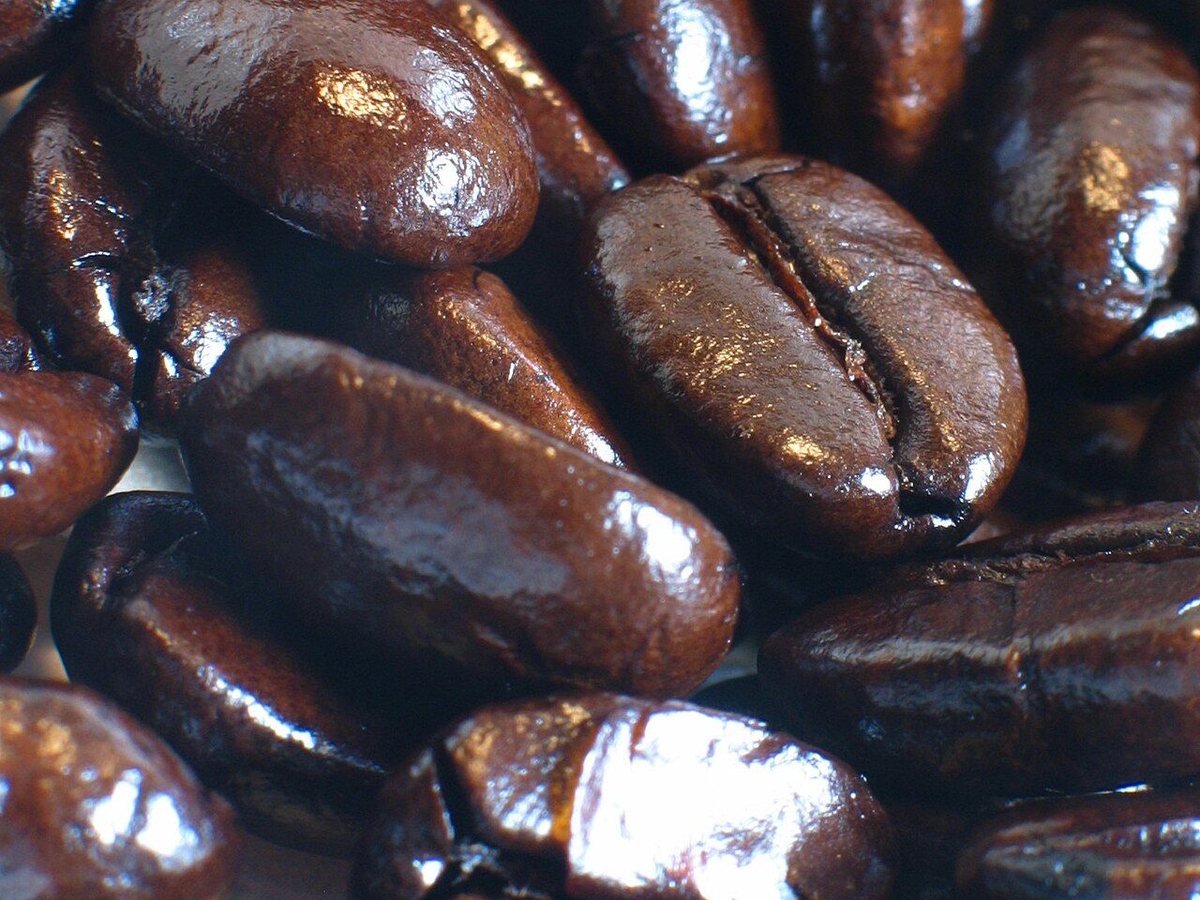
Degassing & Freshness
Freshly roasted coffee is alive with carbon dioxide. Understanding how CO2 escapes from the bean—and how to work with that process rather than against it—is the difference between a flat, turbulent, or perfectly balanced cup.
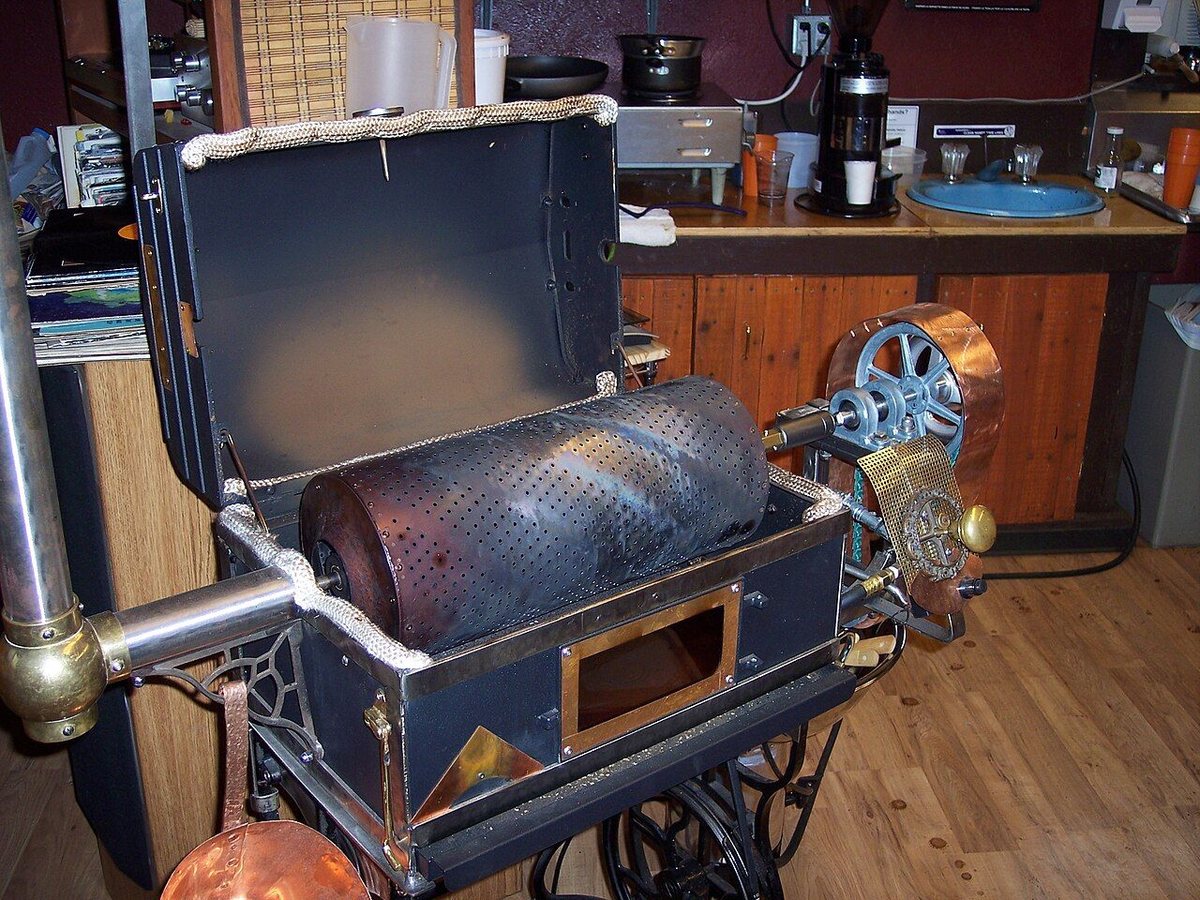
Roast Development & Crack
From the moment green beans enter a hot drum to the second they are quenched, every stage of the roast follows a predictable thermal arc. Understanding the turning point, drying phase, Maillard reactions, first crack, development time ratio, and second crack gives roasters the language—and the leverage—to craft consistent, intentional flavor.
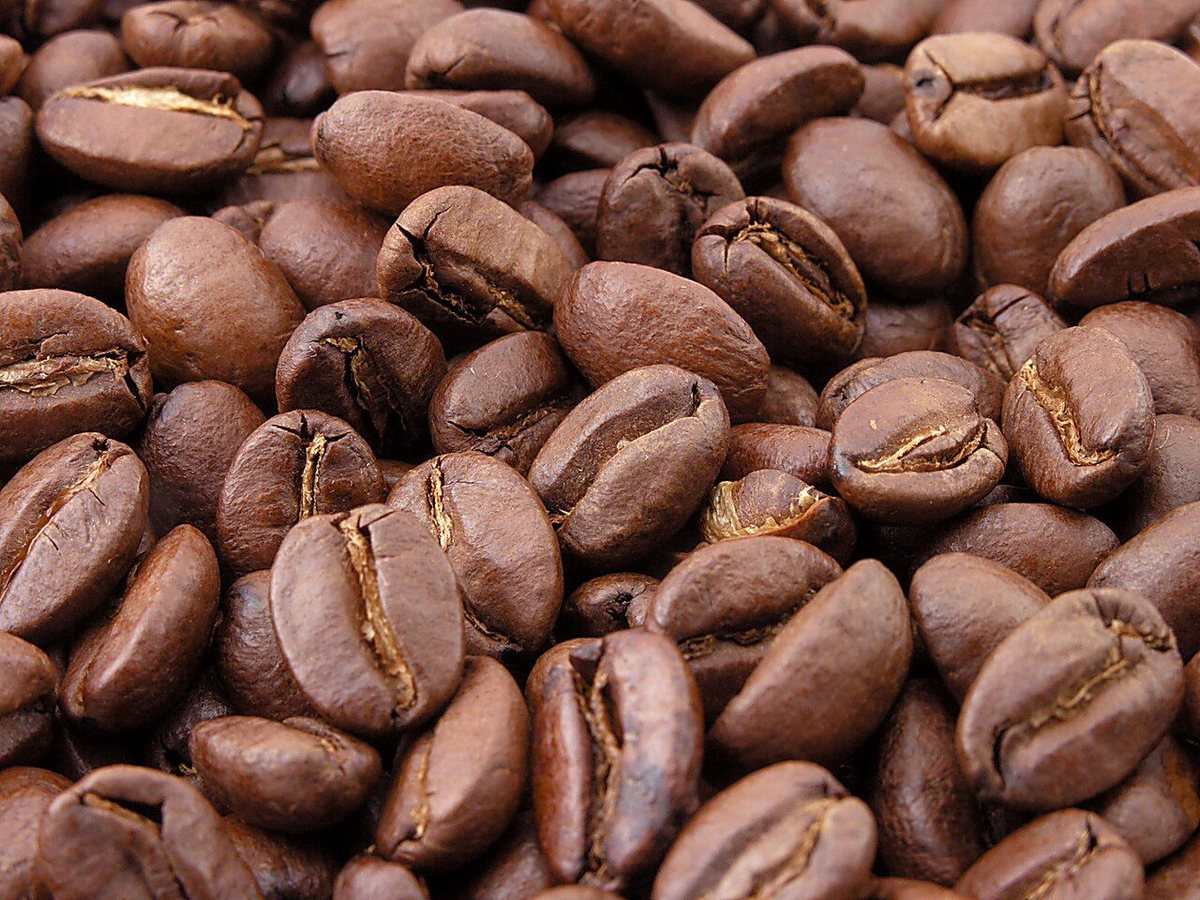
Roast Levels Explained
Roast level describes the degree to which green coffee has been transformed by heat — from the pale, high-acidity end of the spectrum to the dark, roast-forward extreme. Understanding the light-to-dark continuum helps roasters, buyers, and brewers make better decisions about flavor, origin expression, and brew-method compatibility.
Frequently asked questions
- What is the difference between first crack and second crack in coffee roasting?
- First crack is an audible popping event caused by steam and CO₂ pressure rupturing the bean's cell walls from the inside; it marks the threshold of a light roast and is an exothermic event. Second crack follows at higher temperatures and sounds more rapid and crackling as the increasingly brittle cell structure shatters further, with oils migrating to the bean surface. Roasts stopped at or shortly after first crack preserve origin character, while roasts taken to second crack develop more roast-derived, bittersweet flavors.
- Why does roast level affect the flavor of coffee so much?
- Roasting drives complex chemical reactions — primarily the Maillard reaction and caramelization — that create hundreds of new aromatic and flavor compounds from the sugars, amino acids, and proteins naturally present in green beans. Lighter roasts preserve more origin-specific acids and aromatics; darker roasts break these down while producing roast-derived bittersweet compounds. The balance between these two sets of flavors is controlled largely by how far and how fast the roast is taken.
- Why is green coffee more stable than roasted coffee?
- Roasting creates large quantities of CO₂ trapped in the bean's cellular structure and initiates oxidative chemistry. After roasting, beans begin degassing and are exposed to oxygen, leading to progressive staling. Green coffee, having not undergone these reactions, is far more chemically stable and can be stored for months to years under appropriate conditions without the rapid flavor degradation that affects roasted beans.
- What is roast profiling?
- Roast profiling is the practice of logging and analyzing the time-temperature curve throughout a roast — including metrics like turning point, rate of rise (ROR), and development time ratio (DTR) — to achieve consistent, intentional flavor outcomes. Modern specialty roasters use thermocouple probes and logging software to record these curves and replicate them across production batches.
- How does origin influence the ideal roast level?
- Bean density, acidity, sugar content, and processing method all affect how a coffee responds to heat. High-grown, dense, washed coffees with high acidity (common in East Africa and parts of Central America) typically express their best character at lighter roast levels. Lower-grown or naturally processed coffees with heavier body can support moderate development. Very dark roasts tend to mask origin differences, emphasizing roast-derived flavors regardless of where the coffee was grown.
See also