Knowledge · roasting
Dark Roast
Into second crack and beyond: the science, flavor, and brewing logic of dark roasted coffee
Key facts
- Definition
- Coffee roasted to second crack or beyond
- Color
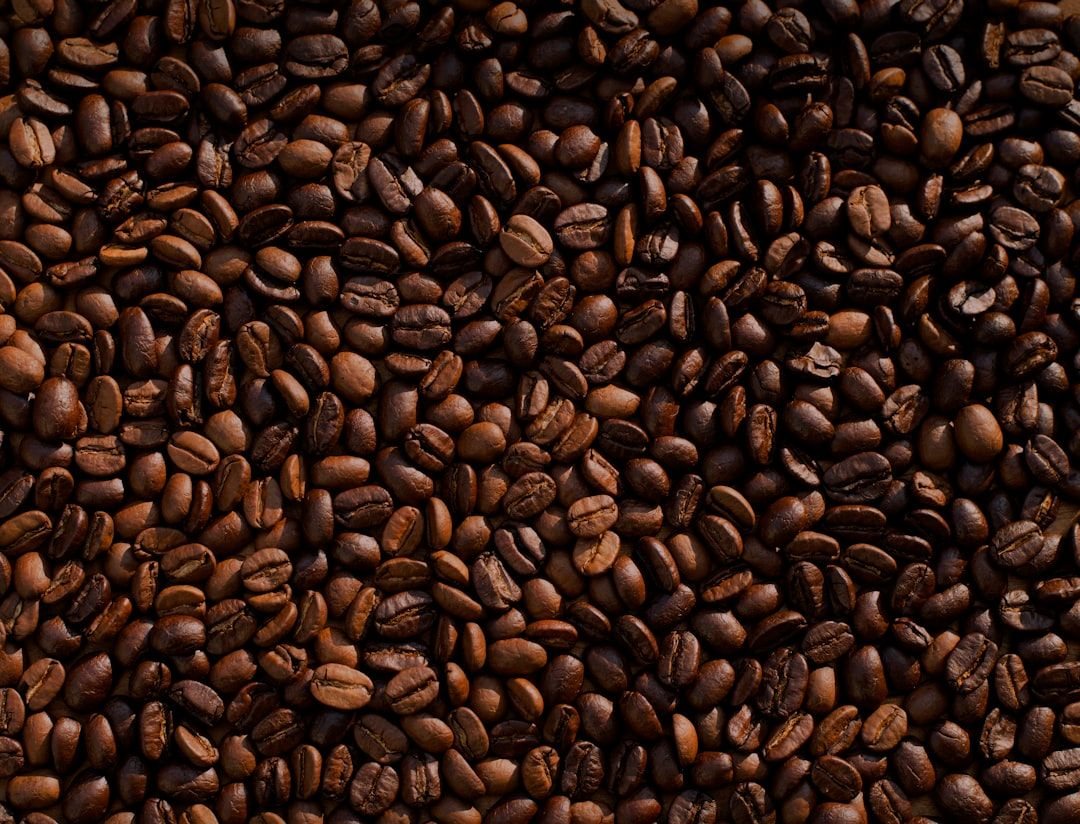
- Dark brown to near-black, visibly oily
- Key Sub-types
- Full City+, Vienna, French, Italian/Espresso
- Acidity Level
- Lower perceived acidity than light roasts
- Brewing Note
- More soluble; grind coarser to avoid over-extraction
- Flavor Character
- Roast-derived flavors dominate over origin flavors
What Is a Dark Roast?
A dark roast is any coffee roasted to the point at which second crack begins or has substantially progressed. At this stage, bean surface temperatures are high enough that the cellular structure begins to fracture a second time—more violently than first crack—releasing carbon dioxide and causing oils trapped within the bean's matrix to migrate to the surface. The result is a visibly shiny, oily bean with a dark brown to near-black color.
Within the broad category of dark roast, roasters and the trade commonly recognize a spectrum of sub-profiles:
- Full City+ — just at the cusp of second crack; the lightest end of what most would call dark
- Vienna / Continental — well into second crack; a medium-dark profile common in Central European café tradition
- French Roast — deep into second crack; pronounced smokiness, significant oil on the bean surface, substantial mass loss
- Italian / Espresso Roast — at or near the darkest commercial extreme; beans may appear nearly black with heavy surface oils
These names are not standardized by a single global body and vary by country, roasting house, and era. The Roast Levels Explained article offers a comparative overview of the full spectrum from green through very dark.
The Chemistry Behind the Color and Flavor
The flavor transformation in dark roasting is driven by the continued and increasingly aggressive progression of several chemical processes already underway in lighter roasts. The Chemistry of Roasting covers these reactions in depth; the key mechanisms most relevant to dark roasts are summarized here.
During coffee roasting, the Maillard reaction—a series of non-enzymatic browning reactions between amino acids and reducing sugars—dominates the early and middle stages of the roast. As the roast progresses into dark territory, Maillard products themselves begin to degrade and contribute to the formation of melanoidins, the large brown polymers responsible for much of the characteristic color and some of the bitter flavor.
Caramelization of sucrose accelerates through the roast. By the time a bean reaches dark roast temperatures, most of the original sucrose has been consumed. The residual caramelization products, alongside degraded Maillard compounds, are primary contributors to the bittersweet quality most drinkers associate with a classic espresso roast.
Chlorogenic acids (CGAs)—the dominant acids in green coffee—degrade substantially at dark roast temperatures. This is the principal reason dark roasts taste lower in perceived acidity than light or medium roasts: not because coffee is chemically neutral, but because the most prominent acidic compounds have been broken down. Some of those degradation products, including certain phenylindanes, are themselves bitter, adding to the roast's characteristic edge.
At second crack and beyond, carbon dioxide production spikes again as the bean structure fractures. This has practical consequences for degassing and freshness: dark roasted beans typically off-gas CO₂ more rapidly after roasting than lighter profiles.
Surface Oils and Bean Structure
One of the most visible markers of a dark roast is surface oil. As roasting progresses, the bean's cell walls weaken and the internal lipids—primarily coffee oil, a mixture of diterpenes such as cafestol and kahweol along with triglycerides—migrate through the now-porous structure to the exterior. A light roast bean is dry to the touch; a dark roast bean, especially a French or Italian profile, may appear wet and glossy.
This migration has several practical implications:
- Staling accelerates. Oils on the surface are directly exposed to oxygen and oxidize relatively quickly, leading to rancid or cardboard notes if beans are stored improperly or for too long after roasting.
- Grinder fouling. Oily beans can coat grinder burrs and hoppers with residue, requiring more frequent cleaning.
- Espresso crema. Surface lipids contribute to the formation and visual richness of espresso crema, which is part of why dark-roasted beans have historically been favored in Italian espresso tradition.
The expanded, fractured cell structure also means dark roast beans are physically larger but less dense than their green or lightly roasted counterparts—a function of cellular expansion during roasting. This lower density is directly connected to how easily they dissolve during brewing.
Why Dark Roasts Brew Faster and Extract Differently
Dark roasted coffee is more soluble than light roasted coffee. The structural degradation of the bean's cellulose and hemicellulose matrix during extended high-temperature roasting creates a more porous, friable material. Water penetrates and extracts dissolved solids from a dark roast more readily and more quickly.
In practical brewing terms:
- Grind coarser for the same brew method compared to a light roast, to avoid over-extraction and the harsh, ashy bitterness it produces.
- Reduce contact time or water temperature if using methods like immersion or pour-over; the SCA's generally cited brew temperature range of approximately 90–96 °C (195–205 °F) may favor the lower end for very dark roasts.
- Espresso extraction for dark roasts often requires less pressure time or a coarser grind setting than for medium roasts brewing at the same yield ratio.
Over-extraction of dark roasts produces a particularly unpleasant ashy, acrid bitterness distinct from the pleasant bittersweet character of a properly extracted cup. Because so many of the origin's fruity acids have already been roasted away, there is less brightness to balance any extraction errors.
Flavor Profile: What the Cup Actually Tastes Like
Dark roasts are defined by roast-derived flavors dominating over origin-derived flavors. A light roast of an Ethiopian Yirgacheffe and a dark roast of the same coffee taste fundamentally different; at dark roast levels, the terroir, variety, and processing signals that distinguish one origin from another are largely masked or eliminated.
The flavor vocabulary of well-executed dark roasts includes:
- Bittersweet chocolate and dark cocoa
- Smoky, campfire, or charred wood notes (more pronounced at French and Italian profiles)
- Roasted nuts and caramel at the lighter end of the dark spectrum
- Low to no perceived brightness or citric acidity
- Heavy, syrupy body in the cup, particularly in espresso preparation
- Spice notes—clove, allspice—at certain profiles
What is largely absent is the origin character—the floral aromatics, stone fruit, berry, or tea-like qualities that distinguish well-sourced single-origins brewed at lighter roast levels. For drinkers seeking those qualities, a light roast or medium roast will be more revealing of the green coffee's inherent character.
Traditional Dark Roast Styles and Their Cultural Context
Dark roasting is not a modern aberration or a marker of inferior coffee; it is a centuries-old tradition adapted to specific cultural practices, water chemistry, preparation methods, and taste preferences.
Italian espresso tradition developed around dark-roasted blends, typically combining Robusta and Arabica species, designed to produce a thick, low-acid, intensely flavored small cup cut with hot water (Americano) or milk (cappuccino, latte). The dark roast masked varietal and lot-level defects that were common in commodity-grade supply chains while producing a consistent, recognizable product.
French roast, associated historically with café culture in France and parts of Latin America, pushed beans even further—to a point where smoky, almost bitter notes became the defining characteristic. As noted in historical accounts of coffee roasting, coffee was roasted to dark colors in small batches at home and by shopkeepers across France well into the 20th century.
Turkish and Middle Eastern traditions, while not always categorized as "dark roast" in the specialty sense, also favored extended roasting that produced rich, low-acid brews prepared in a cezve or ibrik.
The specialty coffee movement of the late 20th and early 21st centuries pushed roasting toward lighter profiles to highlight origin character, but dark roasts retain a substantial and devoted global following—and in many markets remain the dominant commercial style.
Roasting to Dark: Development and Second Crack
For roasters, navigating the dark roast spectrum requires careful attention to the rate of rise (RoR) in bean temperature and the timing relative to roast development and crack. Second crack typically begins when the bean surface temperature reaches roughly 225–230 °C (437–446 °F), though exact temperatures vary by roaster type, drum speed, airflow, and bean density.
Key roasting considerations for dark profiles:
- Charge temperature and development time must be calibrated so that the bean interior is fully developed before the surface reaches dark stages; an underdeveloped bean driven to a dark surface color will taste baked, flat, or ashy rather than cleanly bitter.
- Airflow management is critical: insufficient airflow at high temperatures can cause tipping, scorching, or excessive smoke contamination of flavor.
- Drop timing is less forgiving than at lighter roasts—a few extra seconds at the darkest profiles can mean the difference between intentional smokiness and an acrid, carbonized cup.
- Mass loss (roast loss or "shrinkage") is proportionally higher at dark roasts, typically ranging from roughly 15–20% or more of green bean weight by mass, compared to roughly 12–15% at light to medium profiles. This is an economically significant factor in commercial roasting.
Understanding the full arc of transformation from green bean to dark roast requires familiarity with the earlier stages covered in Roast Development & Crack.
Frequently asked questions
- What temperature does second crack occur at?
- Second crack typically begins when bean surface temperatures reach approximately 225–230 °C (437–446 °F), though this varies depending on roaster type, drum speed, airflow, and the density of the specific coffee being roasted. Exact onset temperatures should be validated for each individual roasting setup.
- Why do dark roast beans look oily?
- As roasting progresses into and beyond second crack, the bean's cellular structure weakens and internal lipids migrate through the porous cell walls to the surface. This produces the characteristic shiny, oily appearance. The further into the dark spectrum, the more pronounced the surface oil typically becomes.
- Is dark roast coffee higher in caffeine than light roast?
- Not meaningfully so by weight. Caffeine is relatively heat-stable and survives roasting. Because dark roast beans are physically larger and less dense due to cellular expansion, a scoop by volume may contain slightly less caffeine than the same volume of denser light roast beans—but the difference is minor and varies by preparation method.
- Does dark roast have less acidity?
- Dark roasts generally taste lower in acidity than light or medium roasts. The primary reason is that chlorogenic acids and other acidic compounds degrade substantially at high roast temperatures. The perceived brightness or tartness characteristic of light roasts is largely absent in dark roasts.
- Why does dark roast coffee go stale faster?
- Surface oils on dark roasted beans are directly exposed to oxygen and oxidize relatively quickly. This accelerates the development of rancid or cardboard off-flavors compared to lighter roasts where oils remain sealed within the bean's intact cellular structure. Proper airtight, valve-equipped storage helps slow this process.
- Are dark roasts appropriate for all brewing methods?
- Dark roasts can be prepared by most brew methods, but their higher solubility means they extract more readily. Methods with longer contact times—such as French press or cold brew—should use a coarser grind to avoid over-extraction. Espresso and moka pot, with their short contact times and pressure, are historically well-matched to dark roast profiles.
See also