Knowledge · industry
Coffee Certifications
What the labels on your bag actually guarantee — and where their limits lie
Key facts
- Oldest Certification
- Fair Trade, launched in Netherlands in 1988
- Major Systems
- Fair Trade, Organic, Rainforest Alliance, Bird-Friendly
- Fair Trade Key Tool
- Guaranteed minimum price floor per pound
- Organic Requirement
- No synthetic pesticides for three years minimum
- Top Organic Producer
- Latin America produces 75% globally
- Does NOT Guarantee
- Cup quality or flavor profile
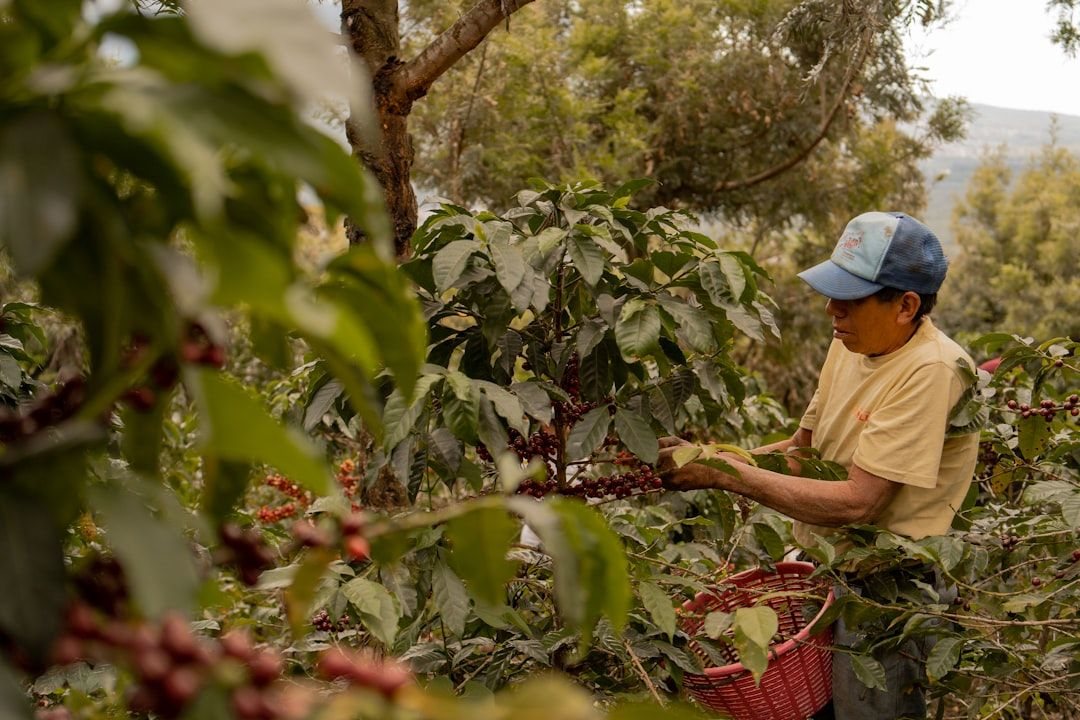
What Coffee Certifications Are and Why They Exist
Coffee is one of the most traded agricultural commodities on earth, and its supply chain spans dozens of producing countries before it reaches roasters and consumers in importing markets. That distance creates persistent information gaps: buyers rarely know the conditions under which coffee was grown, and farmers rarely know the prices consumers ultimately pay. Certification schemes emerged as a formal mechanism to close those gaps, providing independently verified signals about social equity, environmental stewardship, or both.
The modern certification landscape took shape after the collapse of the International Coffee Agreement quota system. As A History of Coffee documents, the period from 1990 to 1992 saw coffee prices reach historic lows when quota negotiations broke down, devastating smallholder incomes worldwide. Fair Trade certification was already in motion before this crisis peaked — launched in the Netherlands in 1988 under the name Max Havelaar — but the price collapse of the early 1990s accelerated interest in alternative trading structures.
Today, the major certification systems operating in coffee are:
- Fair Trade (Fairtrade International / FLO)
- Organic (USDA National Organic Program in the US; FAO/WHO Codex Alimentarius internationally)
- Rainforest Alliance (which absorbed UTZ Certified in 2018)
- Smithsonian Migratory Bird Center Bird-Friendly
Each scheme measures different things and makes different guarantees. None of them, on their own, certifies cup quality in the way the Specialty Coffee Association cupping score does.
Fair Trade: Price Floors and the Social Premium
Fair Trade is the oldest and best-known coffee certification. Its central instrument is a guaranteed minimum price — a floor below which Fairtrade-certified coffee cannot be sold, regardless of commodity market volatility. Fairtrade International (FLO), which was founded in 1997 when four labeling organizations — the Fairtrade Foundation, TransFair USA, Rättvisemärkt, and Transfair Germany — joined forces, continues to set and enforce these price standards globally.
The FLO framework operates on two economic levers:
- Minimum price guarantee — Producers receive at least a specified floor price per pound of green coffee, designed to cover sustainable production costs.
- Fairtrade Premium — An additional sum paid on top of the purchase price, directed to a democratic producer organization fund for community investment (infrastructure, health, education, or farm improvement).
Beyond price, the FLO sets Generic Standards (covering producer organization governance, labor rights, and environmental practices) and Product Standards (commodity-specific requirements). Child labor and forced labor are expressly prohibited. The scheme also encourages long-term trading relationships and environmental sustainability.
Fairtrade certification is administered at the organizational level: producers must belong to a cooperative or other recognized producer organization to participate. This structure works well for regions with established cooperative networks but can exclude individual smallholders who farm independently.
Costs and Constraints for Smallholders
Certification carries real costs. Producer organizations pay annual fees to FLO-CERT (FLO's inspection body), and compliance with Generic Standards requires record-keeping infrastructure and sometimes physical farm improvements. For very small or newly formed cooperatives, these upfront and ongoing costs can be prohibitive. Critics have also noted that when market prices rise above the Fairtrade floor — as they sometimes do for specialty-grade lots — the minimum price guarantee loses its protective function entirely.
Finally, Fairtrade certification guarantees nothing about cup quality. A Fairtrade label tells you about trading conditions, not about flavor or processing standards.
Organic Certification: Inputs, Land, and Process
Organic coffee certification focuses on what goes into the farming system rather than on trade terms or biodiversity outcomes. In the United States, the USDA Agricultural Marketing Service oversees certification through the National Organic Program (NOP); at the international level, the FAO/WHO Codex Alimentarius Commission provides guidelines for organic production, processing, and labeling.
To earn organic certification for the US market, imported coffee must meet several core requirements:
- The coffee is grown on land that has not been exposed to synthetic pesticides or other prohibited substances for at least three years prior to harvest.
- A sufficient buffer zone exists between the organic farm and the nearest conventional crop.
- A sustainable crop rotation plan is in place to prevent erosion, soil nutrient depletion, and pest buildup without synthetic inputs.
- Fertilizers must be 100% organic — options include chicken manure, coffee pulp, bocashi, and general compost. Synthetic nitrogen, phosphate, and potash disqualify a crop.
Organic coffee production is most concentrated in Latin America. According to the Center for Tropical Agricultural Research and Higher Education (CATIE) in Costa Rica, approximately 75% of the world's organic coffee originates from Latin America. Peru has historically been among the leading exporters, with Honduras, Mexico, Brazil, Colombia, El Salvador, and Guatemala also producing significant volumes.
What Organic Does — and Does Not — Guarantee
Organic certification makes meaningful environmental claims: avoiding synthetic chemical inputs, encouraging shade-grown cultivation (which promotes forest preservation and supports bird populations), reducing soil erosion, and contributing to broader ecosystem health. However, the former vice-chair of the U.S. National Organic Standards Board has stated explicitly that "Organic labels are not statements regarding the healthiness, nutritional value, or overall safety of consuming such products."
Furthermore, the NOP permits exemptions even within its three-year prohibition on chemicals, meaning that not all USDA-certified organic coffees are necessarily entirely free of chemical residues. Organic certification does not address social equity, minimum pricing, or cup quality.
Challenges for Smallholders
The financial burden of organic transition is significant. Roughly one-third of farmers in some studies have reported difficulty obtaining sufficient organic fertilizers, and transportation costs for inputs can be a primary hindrance. As of 2010, about 10% of one-time organic growers had reverted to conventional production due to price competition — though this trend appeared to be reversing as consumer demand for organic goods grew. Obtaining and maintaining certification itself requires fees, documentation, and inspection cycles that many resource-constrained smallholders find difficult to sustain alone.
Rainforest Alliance and UTZ: Ecosystem and Efficiency Standards
The Rainforest Alliance is an American NGO whose certification mission centers on protecting ecosystems, preserving biodiversity, and promoting sustainable production methods. UTZ Certified (originally a Dutch program) focused more specifically on improving the operational efficiency and market access of producers. In 2018, Rainforest Alliance and UTZ merged their certification programs, unifying under the Rainforest Alliance umbrella.
The combined Rainforest Alliance standard addresses a broad suite of environmental and social criteria:
- Ecosystem conservation — protecting natural habitats on and around farms, managing water and soil responsibly.
- Biodiversity protection — maintaining or restoring wildlife corridors and shade canopy.
- Social standards — requirements covering labor rights, worker health and safety, and community relations.
- Farm management — traceability systems, good agricultural practices, and requirements to document and progressively improve performance over time.
Unlike the Bird-Friendly standard (see below), Rainforest Alliance certification does not set prescriptive shade-canopy thresholds — its approach tends to be improvement-oriented, meaning farms must demonstrate progress toward benchmarks rather than meeting a fixed pass/fail standard from day one. This makes entry somewhat more accessible for farms with room to improve, but it also means the label can encompass a wide spectrum of actual environmental performance.
Rainforest Alliance certification also does not guarantee a minimum price. Its economic benefit to farmers comes primarily through improved access to premium markets, better farm management practices that can reduce input waste, and, in some cases, a price premium negotiated directly between buyer and seller.
Smithsonian Bird-Friendly: The Most Stringent Habitat Standard
The Smithsonian Migratory Bird Center (SMBC) Bird-Friendly certification is widely considered the most rigorous habitat standard in the coffee sector. Its core purpose is to protect the habitat of migratory birds by ensuring that certified coffee is grown under a qualifying shade canopy that mimics the structure of native forest.
Key features of the Bird-Friendly standard include:
- Mandatory organic certification as a prerequisite — a farm cannot receive Bird-Friendly status without first being USDA-certified organic (or an internationally equivalent organic certification).
- Prescriptive canopy requirements — the standard specifies minimum thresholds for foliage cover, canopy height, and structural diversity (multiple canopy layers, diverse tree species).
- Shade-tree diversity — farms must maintain a specified minimum number of shade-tree species, supporting the complex habitat that migratory birds require.
Because Bird-Friendly requires organic certification as a baseline and layers additional canopy requirements on top, it represents the most demanding — and most expensive — combination of standards a coffee farm can pursue. Market access for Bird-Friendly coffee remains more limited than for Fair Trade or Rainforest Alliance, which constrains adoption rates even among willing producers.
The environmental co-benefits are real and documented: shade-grown systems support bird populations that in turn help manage insect pests and naturally fertilize soil, contributing to a mutually beneficial ecosystem dynamic.
Certification Costs, Stacking, and the Smallholder Burden
A recurring tension across all certification schemes is the mismatch between the costs they impose and the resources available to the smallholders they are meant to benefit. Common cost categories include:
- Certification fees paid to the certifying body or its inspection agent.
- Compliance costs — farm infrastructure upgrades, record-keeping systems, training.
- Transition costs — particularly for organic certification, where a three-year prohibited-inputs period must pass before certification is granted, during which yields may fall without the price premium yet in place.
- Renewal and audit costs — recurring inspection fees, often annually.
Many farms pursue multiple certifications simultaneously (commonly called "stacking") to access different market segments. A cooperative might hold Fair Trade, Organic, and Rainforest Alliance certifications at once. While stacking can increase price premiums and market flexibility, the combined administrative and financial burden can be substantial for small producer organizations.
Institutional support — from exporters, NGOs, or development-finance institutions — often bridges the gap, but many smallholders in remote areas lack access to such support networks.
Certifications and Specialty Coffee Quality
A persistent misconception is that certified coffee is synonymous with specialty coffee, or vice versa. They are distinct categories that can overlap but frequently do not.
Specialty coffee, as defined by the Specialty Coffee Association (SCA), is coffee that scores 80 points or above on the SCA's 100-point cupping scale. Coffee scoring 85–89.99 is graded Excellent; coffee scoring 90–100 is graded Outstanding. The SCA also sets standards for allowable green-bean defects — a coffee must have no more than 0 to 5 defects per 350 g (12 oz) of milled beans to qualify as specialty. As the Third Wave Coffee movement and the broader specialty sector have matured, traceability and transparent sourcing have become values shared with some certification systems — but certification bodies do not use SCA cupping scores as part of their audits.
It is entirely possible for a coffee to be:
- Certified but not specialty — meeting social or environmental standards while producing commercially graded, lower-quality cup profiles.
- Specialty but not certified — scoring 85+ on the cupping table while sourced through direct trade or other non-certified channels.
- Both certified and specialty — increasingly common as producers invest simultaneously in quality improvement and certification compliance.
The Coffee Supply Chain perspective is useful here: certifications primarily intervene at the farm and trade level of the chain, while specialty quality is assessed at the green bean and roasting level. The two frameworks are complementary but not interchangeable.
Some activists and industry observers have argued that the definition of specialty coffee should be broadened to incorporate social and environmental quality indicators — not just sensory scores. This debate remains unresolved within the Coffee Industry at large.
Comparing the Major Certifications
| Certification | Primary Focus | Minimum Price? | Quality Guarantee? | Organic Required? |
|---|---|---|---|---|
| Fair Trade (FLO) | Social equity, trade terms | Yes | No | No |
| Organic (USDA NOP) | Input/land management | No | No | — |
| Rainforest Alliance / UTZ | Ecosystem, biodiversity, social | No | No | No |
| Bird-Friendly (SMBC) | Migratory bird habitat, shade canopy | No | No | Yes (prerequisite) |
Key Takeaways for Buyers and Roasters
- Read the label critically. Each certification answers a different question. Fair Trade addresses who gets paid and how much; Organic addresses how the land was farmed; Rainforest Alliance addresses ecosystem and labor practices; Bird-Friendly addresses habitat quality and canopy structure.
- Stacking certifications increases the comprehensiveness of claims but multiplies costs — a burden that often falls heaviest on the smallest producers.
- Certification ≠ quality. SCA cup scores and certification audits operate on entirely separate tracks. Sourcing teams at specialty roasters typically evaluate both independently.
- Direct trade is not a certification — it is a sourcing philosophy with no third-party standard body — but it often coexists with or supplements formal certifications in the specialty sector.
- Market premiums vary. The protective value of a price floor depends entirely on where the commodity market sits relative to that floor. In high-price periods, Fair Trade's minimum guarantee provides no differential benefit.
In this section
Fair Trade Coffee
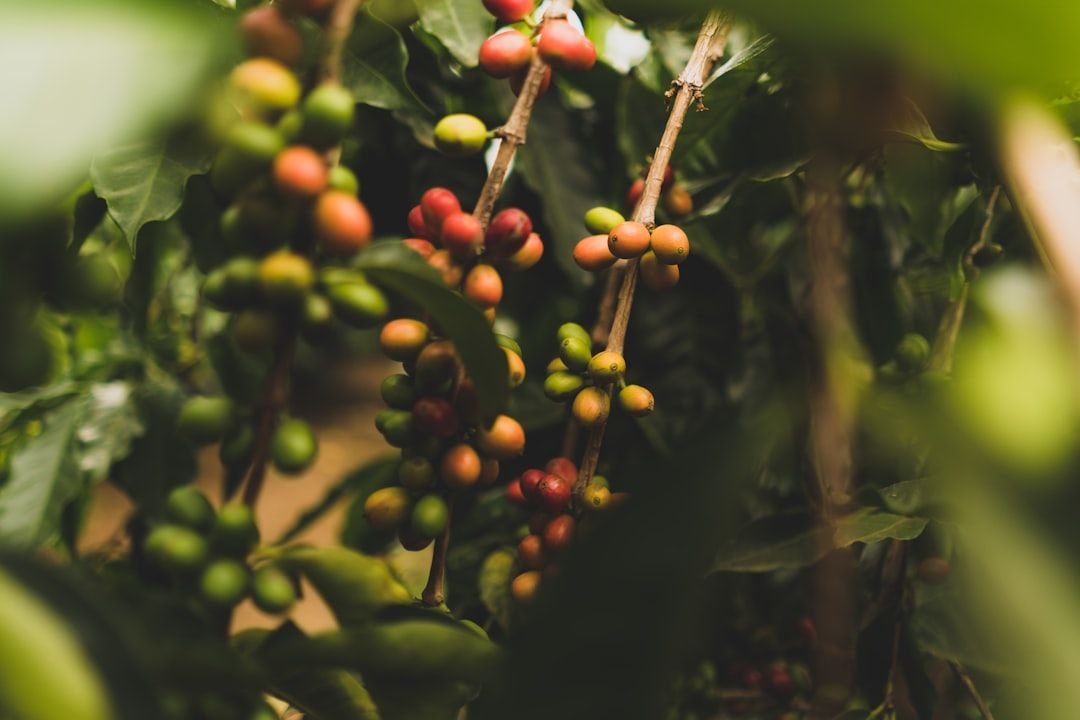
Fair Trade coffee certification establishes a price floor and social premium for smallholder farmers, aiming to correct structural inequities in global coffee markets. Its mechanisms, limitations, and relationship to direct trade and specialty differentials remain among the most debated topics in the coffee industry.
Organic Coffee
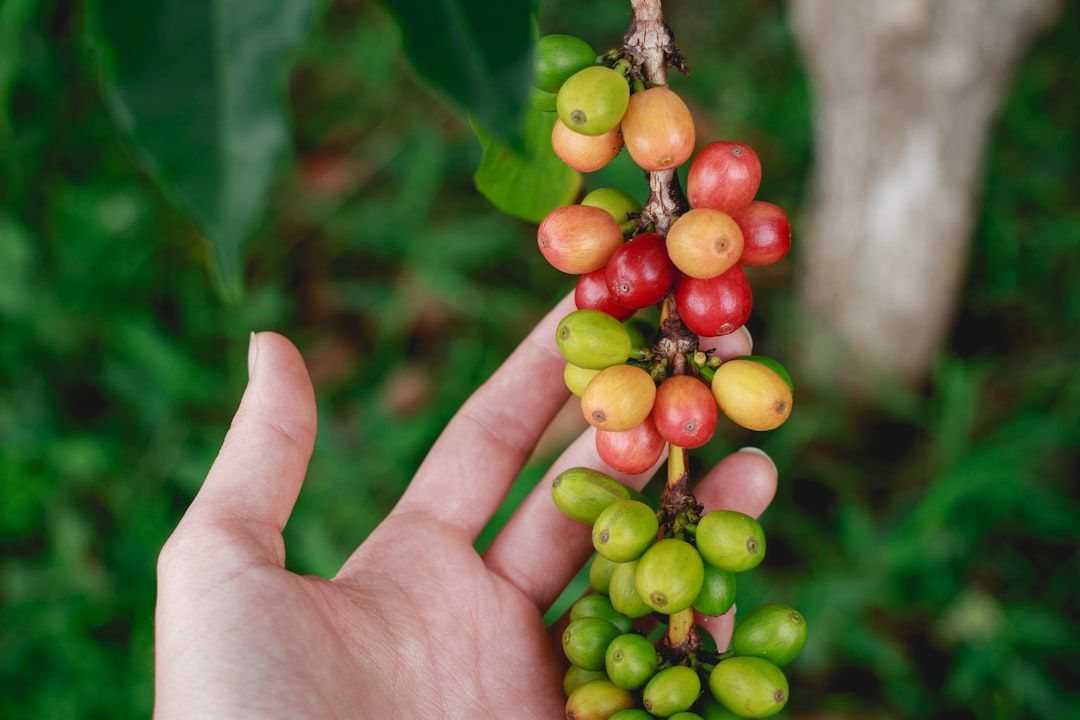
Organic coffee is produced without prohibited synthetic inputs—pesticides, herbicides, or artificial fertilizers—and must meet rigorous land, buffer, and rotation standards before it can carry a certified-organic label. This article examines what that certification actually means, how it intersects with shade-growing and biodiversity, what the transition costs and timeline look like for smallholders, and why flavor claims about organic coffee deserve scrutiny.
Frequently asked questions
- Does a Fair Trade label mean the coffee is high quality?
- No. Fair Trade certification guarantees minimum pricing and social standards for producer organizations — it does not assess or guarantee cup quality. Quality is evaluated separately using systems like the SCA's 100-point cupping scale, where specialty grade begins at 80 points.
- Can a coffee be both organic and Fair Trade certified?
- Yes. Many producer cooperatives pursue multiple certifications simultaneously, a practice known as stacking. A coffee can be Fair Trade, organic, and even Rainforest Alliance certified at the same time, though each certification requires separate fees, audits, and compliance with distinct standards.
- What makes Bird-Friendly certification different from Rainforest Alliance?
- The Smithsonian Bird-Friendly standard requires USDA organic certification as a prerequisite and sets prescriptive thresholds for canopy cover, canopy height, and shade-tree species diversity. Rainforest Alliance takes a more improvement-oriented approach without fixed pass/fail canopy metrics, making Bird-Friendly the more stringent habitat standard of the two.
- Does organic certification mean there are no pesticide residues in the coffee?
- Not necessarily. The USDA National Organic Program prohibits synthetic pesticides on certified land for three years prior to harvest, but exemptions can be made. The former vice-chair of the U.S. National Organic Standards Board has stated that organic labels are not statements about healthiness, nutritional value, or overall safety.
- Why is certification difficult for very small individual farmers?
- Certifications carry real upfront and recurring costs — certification fees, compliance infrastructure, record-keeping, and for organic certification, a three-year transition period during which yields may decline before any price premium is received. Fair Trade, for example, certifies producer organizations rather than individual farms, so farmers who do not belong to a cooperative may be excluded entirely. Transportation costs for compliant organic inputs can also be prohibitive in remote areas.
- What is the relationship between certification and direct trade?
- Direct trade is a sourcing philosophy — typically meaning a roaster purchases directly from a farm or cooperative, often paying above-market prices negotiated on the basis of cup quality and relationship — but it has no single third-party standard body or audit process. It is not a formal certification. Some roasters use direct trade in addition to or instead of formal certifications; others combine both approaches.
See also