Knowledge · plant
Modern Hybrids & Disease-Resistant Varieties
From the Timor Hybrid's robusta genes to Kenya's Ruiru 11 and the rise of F1 hybrids, a new generation of bred varieties is reshaping what farmers grow and what drinkers taste.
Key facts
- Primary threat
- Coffee leaf rust fungal pathogen
- Key breakthrough
- Timor Hybrid naturally occurring arabica-robusta cross
- Major breeding lines
- Catimor, Sarchimor, F1 hybrids
- Central trade-off
- Disease resistance versus cup quality
- Kenyan varieties
- Ruiru 11, Batian
- Newest frontier
- F1 hybrids for yield and flavor
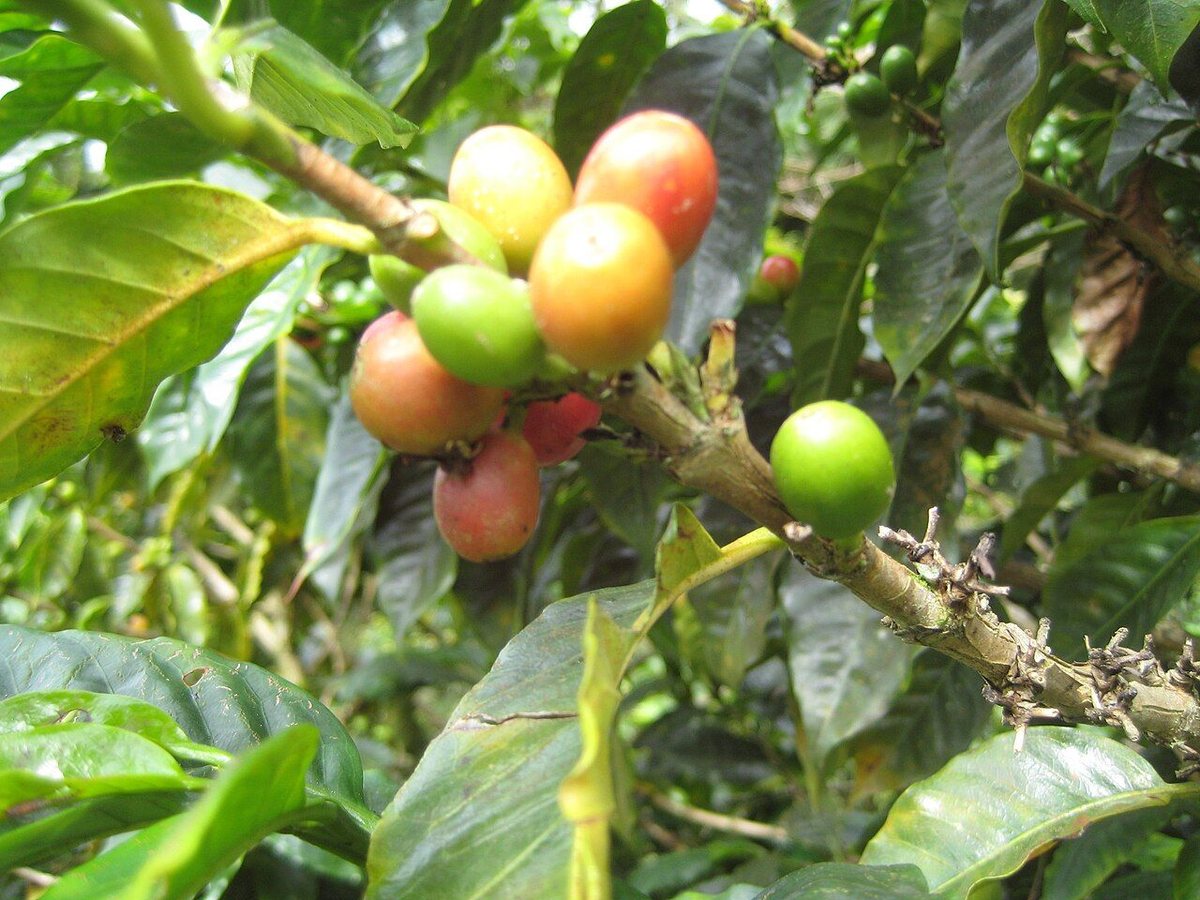
The Disease Imperative {#disease-imperative}
For most of coffee's cultivated history, arabica breeding meant selecting for yield, local adaptation, and cup quality. Disease resistance was an afterthought — until it wasn't. Coffee leaf rust (CLR), caused by the fungal pathogen Hemileia vastatrix, decimated crops across continents and forced the industry to reconsider its genetic toolkit. Arabica (Coffea arabica), the species behind roughly 60 percent of global coffee production, carries an extremely narrow genetic base: it is an allotetraploid that arose from a single ancient hybridization between Coffea canephora (robusta) and Coffea eugenioides, and wild populations remain restricted to the forests of Ethiopia and a sliver of South Sudan and Yemen. That narrow base left arabica vulnerable. The solution — introducing fresh robusta genes — would define modern coffee breeding.
The Timor Hybrid and Its Legacy {#timor-hybrid-legacy}
The pivot point for disease-resistant breeding was a naturally occurring hybrid discovered on the island of Timor: a spontaneous cross between Coffea arabica and Coffea canephora that combined arabica's flavor potential with robusta's formidable resistance to CLR. This Timor Hybrid (also called Hibrido de Timor or HDT) became the cornerstone of two major breeding lineages.
Catimor crosses the Timor Hybrid with Caturra, a compact, high-yielding arabica cultivar. Catimors are productive, disease-resistant, and adaptable to lower altitudes — traits that made them attractive to national coffee programs across Latin America and Asia. The trade-off is cup quality: Catimors can carry harsh, rubbery, or astringent notes, particularly when grown at lower elevations or harvested underripe. Ateng and Kartika, important varieties in Indonesia, belong to this lineage.
Sarchimor pairs the Timor Hybrid with Villa Sarchi, a Bourbon-derived cultivar from Costa Rica. Sarchimors tend to offer a somewhat more nuanced cup than Catimors while retaining strong resistance. Parainema, developed in Honduras, is a Sarchimor descendant recognized for better cup scores among disease-resistant varieties. Ethiosar explores the integration of Ethiopian genetic material within this framework, seeking to improve flavor while keeping resistance intact.
National programs across Latin America built directly on these foundations. Colombia (the variety, released by Cenicafé in Colombia) and Castillo are Colombian-bred cultivars that incorporate Timor Hybrid resistance refined across multiple generations of crossing and backcrossing with elite arabica parents, with the aim of recovering cup quality lost in earlier Catimor generations. Lempira, developed in Honduras, similarly draws on Sarchimor parentage and became widely adopted for its resistance profile and reasonable productivity. Tabi, another Colombian release, blends Typica, Bourbon, and Timor Hybrid material, representing an effort to capture heirloom flavor complexity alongside improved resilience.
Kenyan Breeding: Ruiru 11 and Batian {#kenyan-breeding}
Kenya developed its own distinct path to disease resistance, responding not only to CLR but also to coffee berry disease (CBD), a devastating fungal pathogen largely absent from Latin America but severe in East Africa. The Coffee Research Station at Ruiru produced Ruiru 11, a composite hybrid combining multiple resistance sources — including Timor Hybrid material, the naturally resistant K7, and SL selections prized for Kenya's characteristic blackcurrant acidity. Ruiru 11's compact stature makes it suitable for high-density planting, improving productivity per hectare. Critics note, however, that cup quality falls short of Kenya's celebrated SL28 and SL34 benchmarks.
Batian, released subsequently by the same Kenyan program, was developed with greater attention to flavor. It carries resistance to both CLR and CBD while producing cup profiles closer to the SL varieties that built Kenya's reputation. Batian represents a meaningful step toward resolving the flavor-versus-resistance trade-off that has haunted disease-resistant breeding since its inception.
The Flavor-vs-Resistance Trade-Off {#flavor-vs-resistance}
The central tension in modern hybrid breeding is straightforward: robusta genes confer resistance, but they can also suppress the aromatic complexity and clean acidity that define premium arabica. Early Catimors, in particular, acquired a reputation for inferior cup quality that damaged commercial confidence in disease-resistant varieties. Subsequent generations of breeding — Castillo, Colombia, Batian — demonstrate that this trade-off is not fixed. Through careful selection and repeated backcrossing with high-quality arabica parents, breeders have steadily recovered flavor without sacrificing resistance. The process is slow, however, and the perception gap between heirloom varieties and bred varieties persists in specialty coffee markets.
Farmers face a different calculus. For a smallholder whose entire income depends on surviving a CLR outbreak, a somewhat lower cupping score in a disease-resistant variety may be an entirely rational choice. Development organizations and governments have often promoted resistant varieties precisely because farm viability matters before cup quality can be discussed.
The Rise of F1 Hybrids {#f1-hybrids}
The newest frontier in coffee breeding is the F1 hybrid — the first-generation cross between two genetically distinct, inbred parent lines. In crops like maize, F1 hybrids have long delivered dramatic gains in yield and uniformity through hybrid vigor, or heterosis. Coffee breeders, working through programs linked to institutions such as CATIE in Costa Rica and research networks in East Africa, have begun applying the same logic to arabica. F1 hybrids under development and early commercial release have shown promising combinations of yield, disease resistance, and, critically, cup quality scores that rival or exceed traditional varieties.
The limitation of F1 hybrids is structural: seeds from F1 plants do not breed true, meaning farmers cannot replant from their own harvest. Adoption depends on reliable, affordable access to certified planting material — a supply-chain challenge that traditional varieties, propagated freely by farmers for generations, never faced. Vegetative propagation through cuttings or somatic embryogenesis offers one solution, and research continues. Ethiosar, which incorporates Ethiopian diversity, is among the varieties that reflect this newer thinking about broadening the genetic base while building in resistance.
The individual varieties belonging to this family — including Ateng, Batian, Castillo, Catimor, Colombia, Ethiosar, Kartika, Lempira, Parainema, Ruiru 11, Sarchimor, and Tabi — are listed and described individually below this article.
In this section
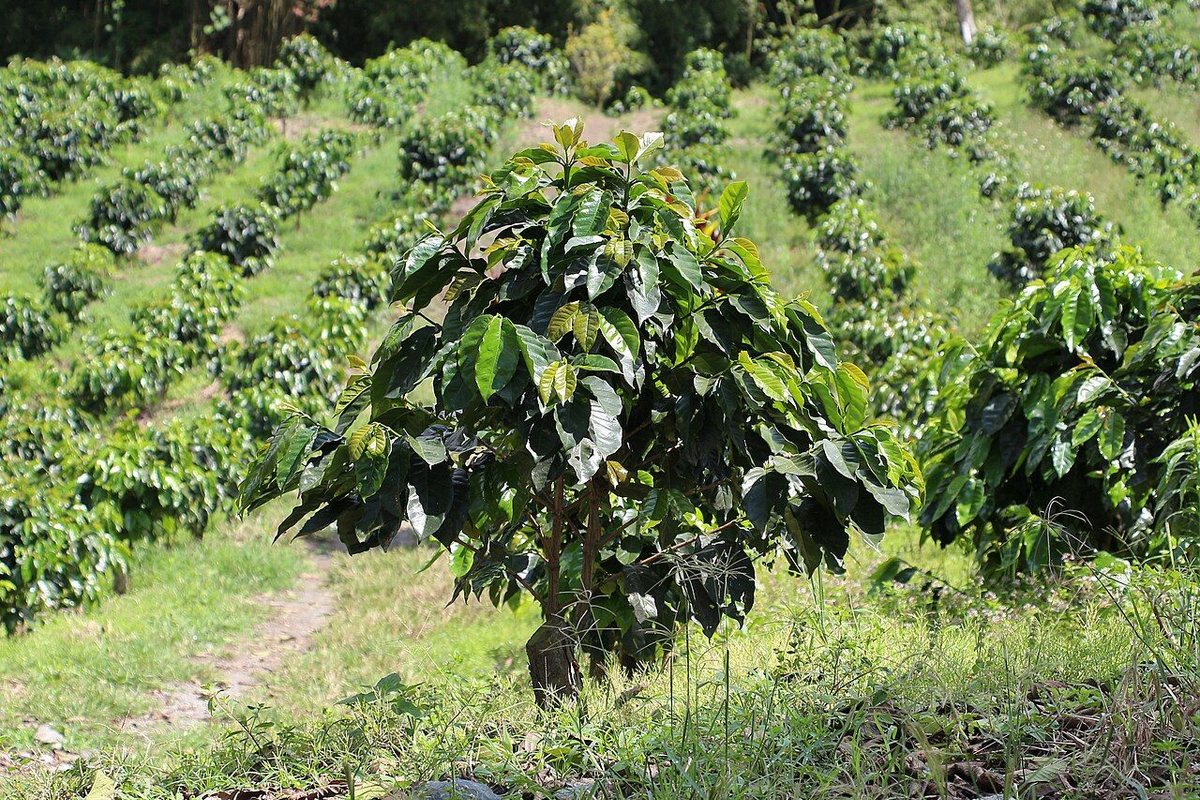
Ateng
Known for heavy, earthy, low-acid — classic sumatran character.. Ateng is a Catimor-group variety widely grown in Sumatra and across Indonesia, its name a local reference to Aceh province. Carrying robusta
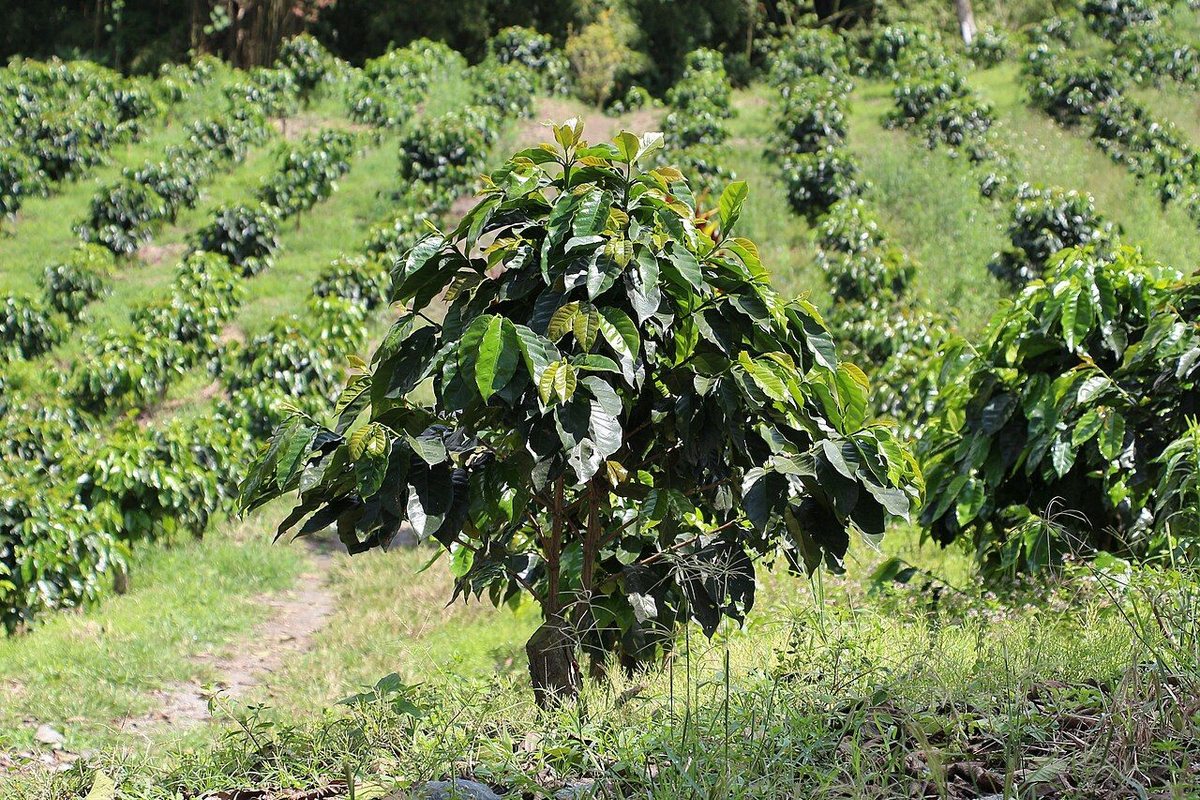
Batian
Known for clean and bright, closer to sl28 than ruiru 11.. Batian, named after the highest peak of Mount Kenya, was released by the Coffee Research Foundation in 2010 as a tall, disease-resistant var
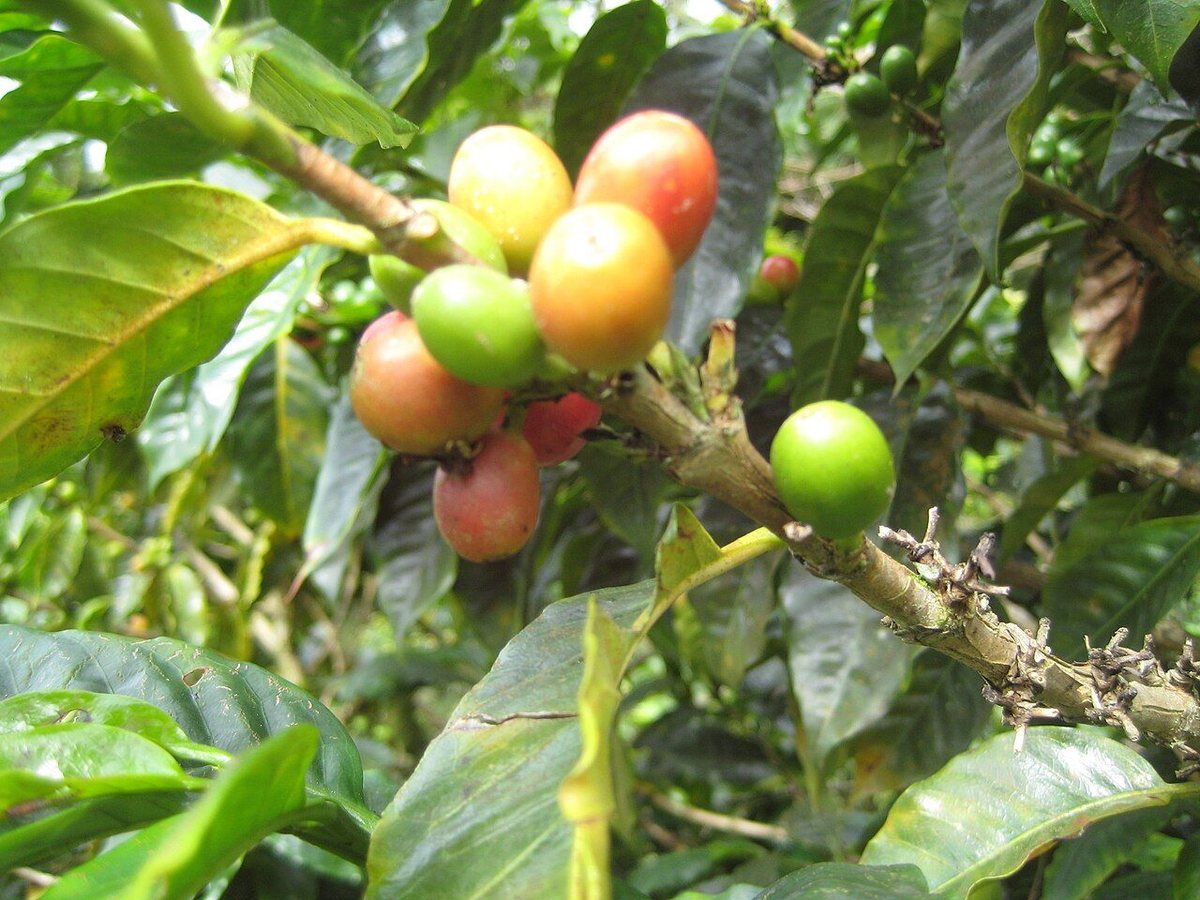
Castillo
Known for clean, sweet, balanced; quality much improved over early hybrids.. Castillo is a rust-resistant Caturra × Timor Hybrid composite released by Colombia's coffee research centre Cenicafé in 2005 and named after
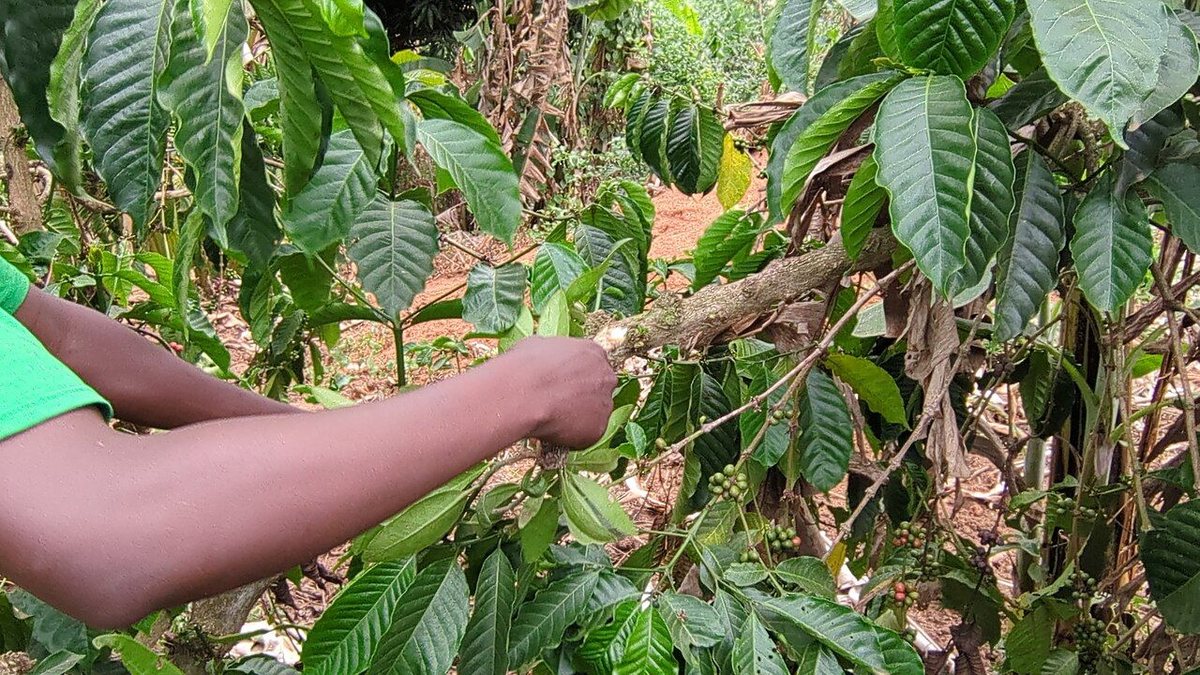
Catimor
Known for variable; can be heavy or herbaceous, sometimes astringent.. Catimor is a family of crosses between Caturra and the Timor Hybrid (a natural Arabica × Robusta hybrid carrying rust resistance), begun in
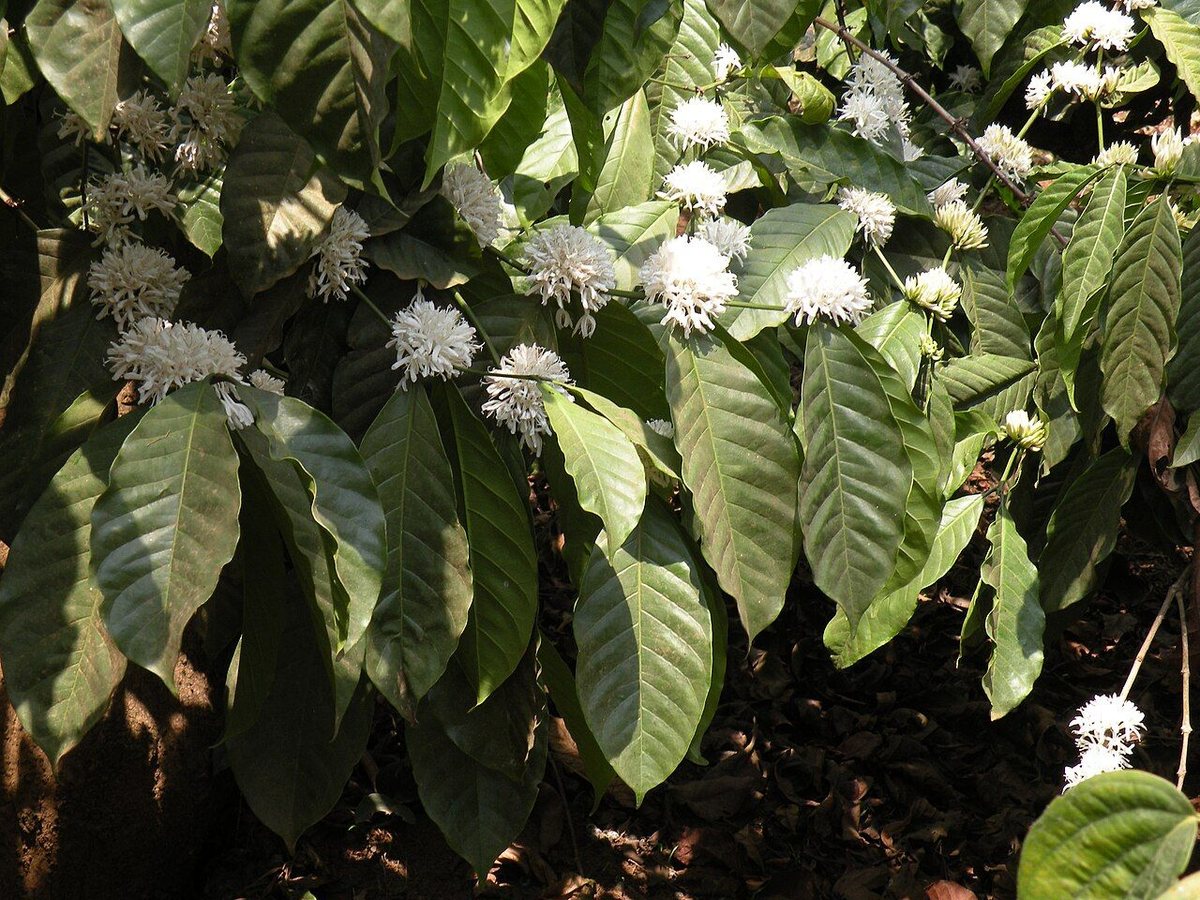
Colombia
Known for balanced, sweet; cleaner than early catimors.. The 'Colombia' variety was Cenicafé's first major rust-resistant Caturra × Timor Hybrid composite, released in 1982 as the country's initial
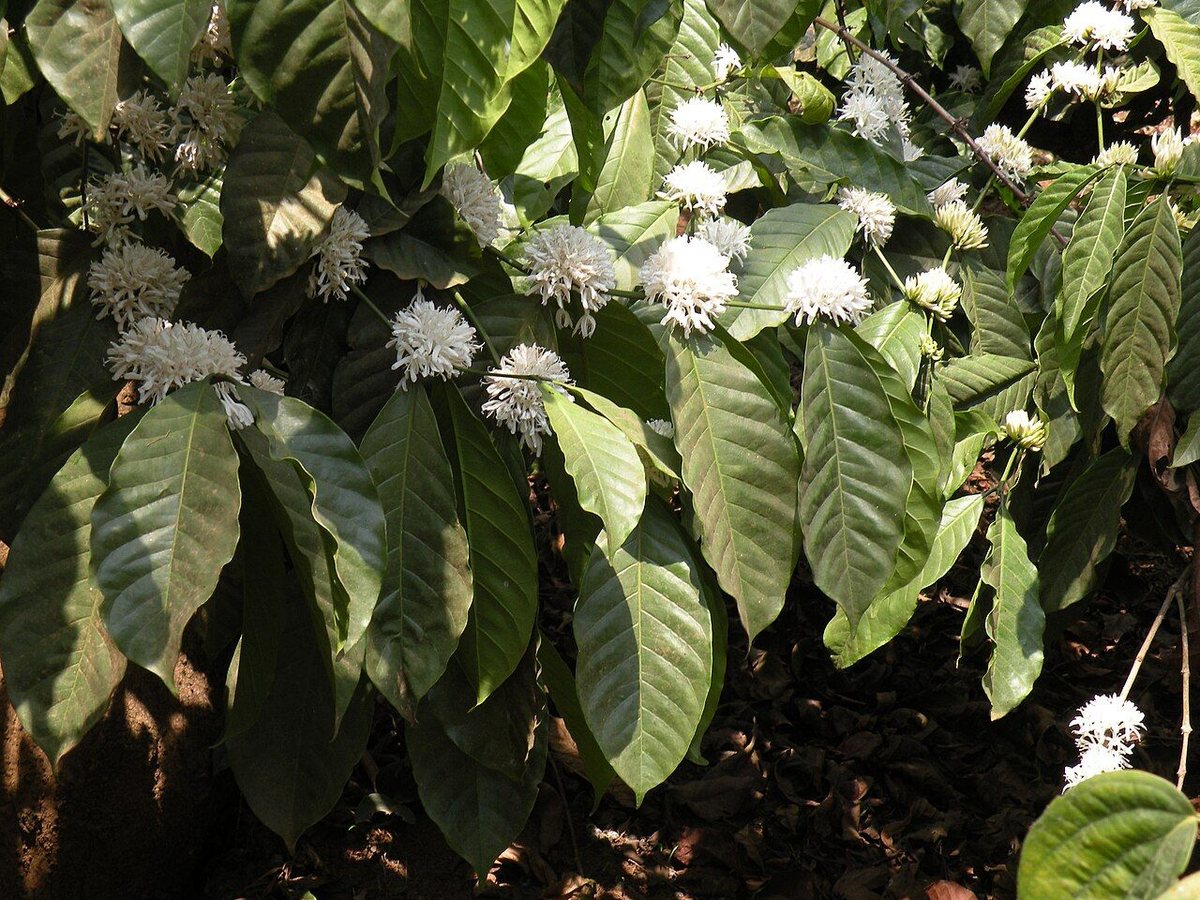
Ethiosar
Known for clean and aromatic for a resistant variety.. Ethiosar refers to a group of breeding lines combining Sarchimor (rust resistance from the Timor Hybrid) with Ethiopian-landrace material to
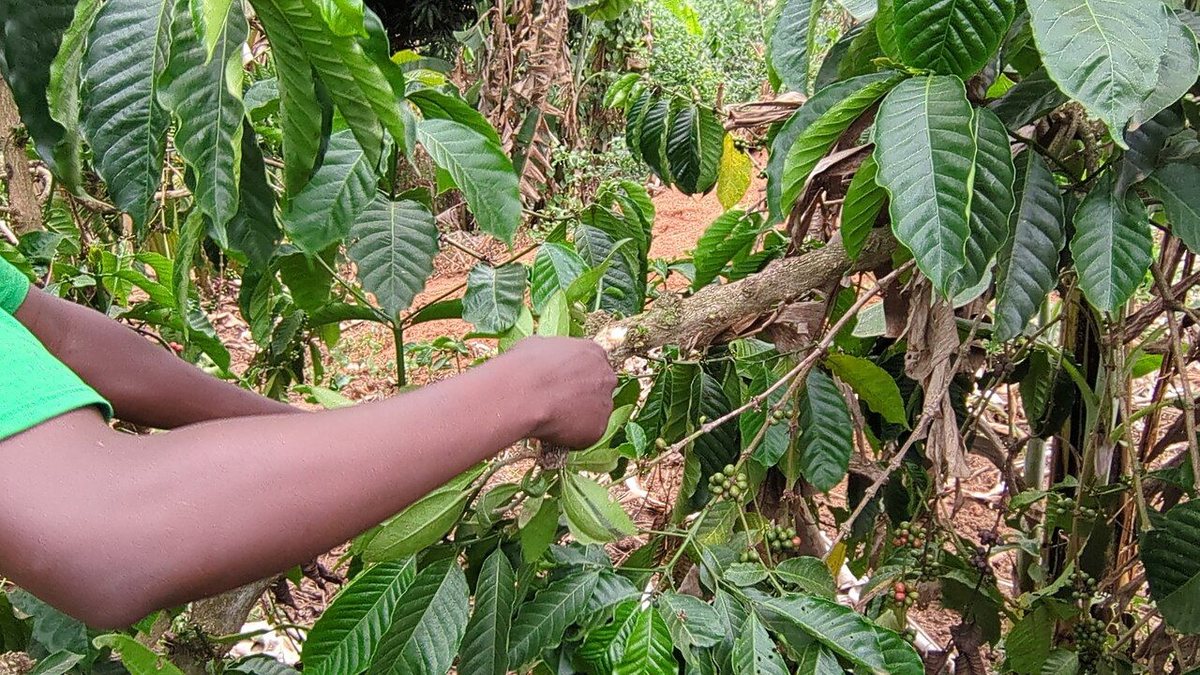
Kartika
Known for clean, mild, sweet when carefully processed.. Kartika is a compact Catimor-derived variety released for Indonesian smallholders, notably planted in Bali's Kintamani highlands and West Ja
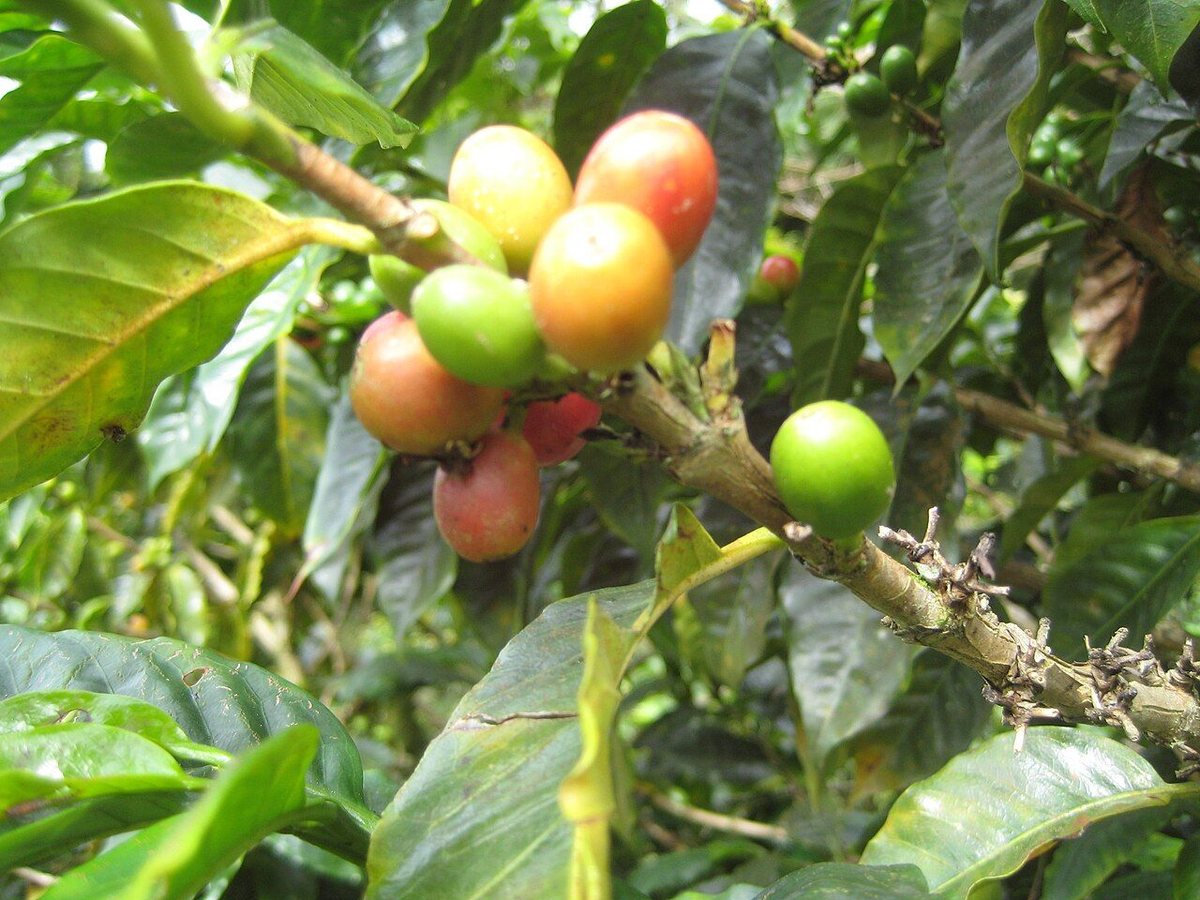
Lempira
Known for sweet and balanced when well grown.. Lempira is a Catimor-type variety released in Honduras in 1996 and named for the national hero and currency. Compact and high-yielding with
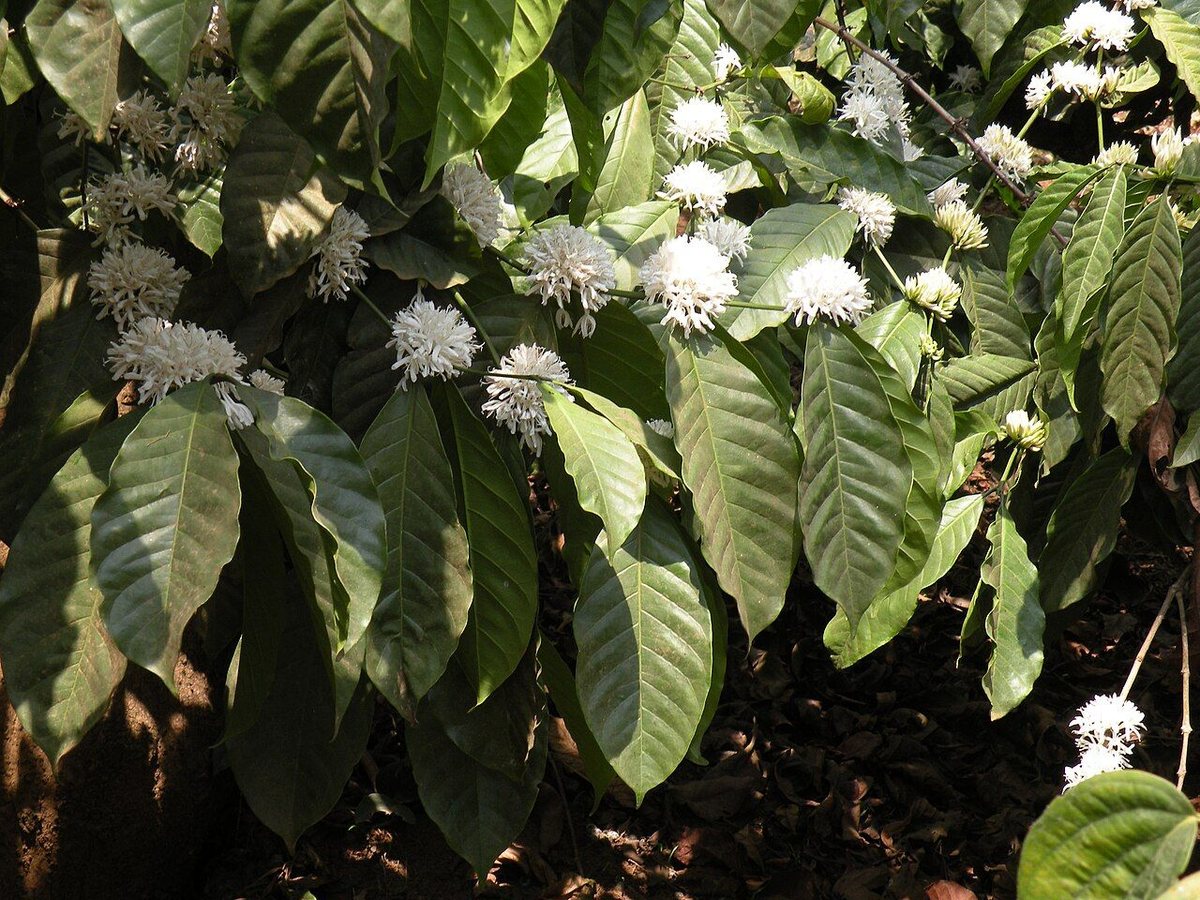
Parainema
Known for clean, sweet, with notable cup quality for a resistant line.. Parainema is a Sarchimor-derived (Villa Sarchi × Timor Hybrid) variety released by Honduras's IHCAFE around 2011, and it stands out among ru
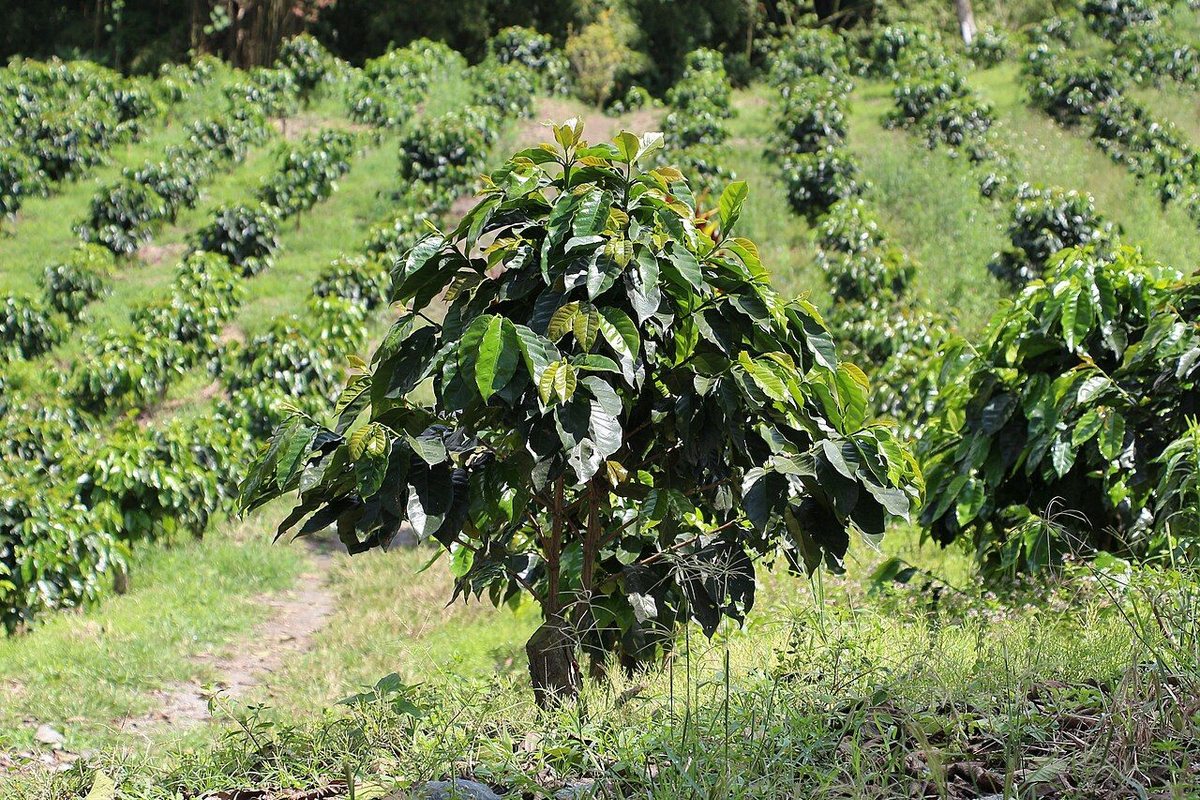
Ruiru 11
Known for clean, milder than sl28, decent sweetness.. Ruiru 11 is a compact composite hybrid released by Kenya's Coffee Research Station at Ruiru in 1985 to combat both coffee leaf rust and coff
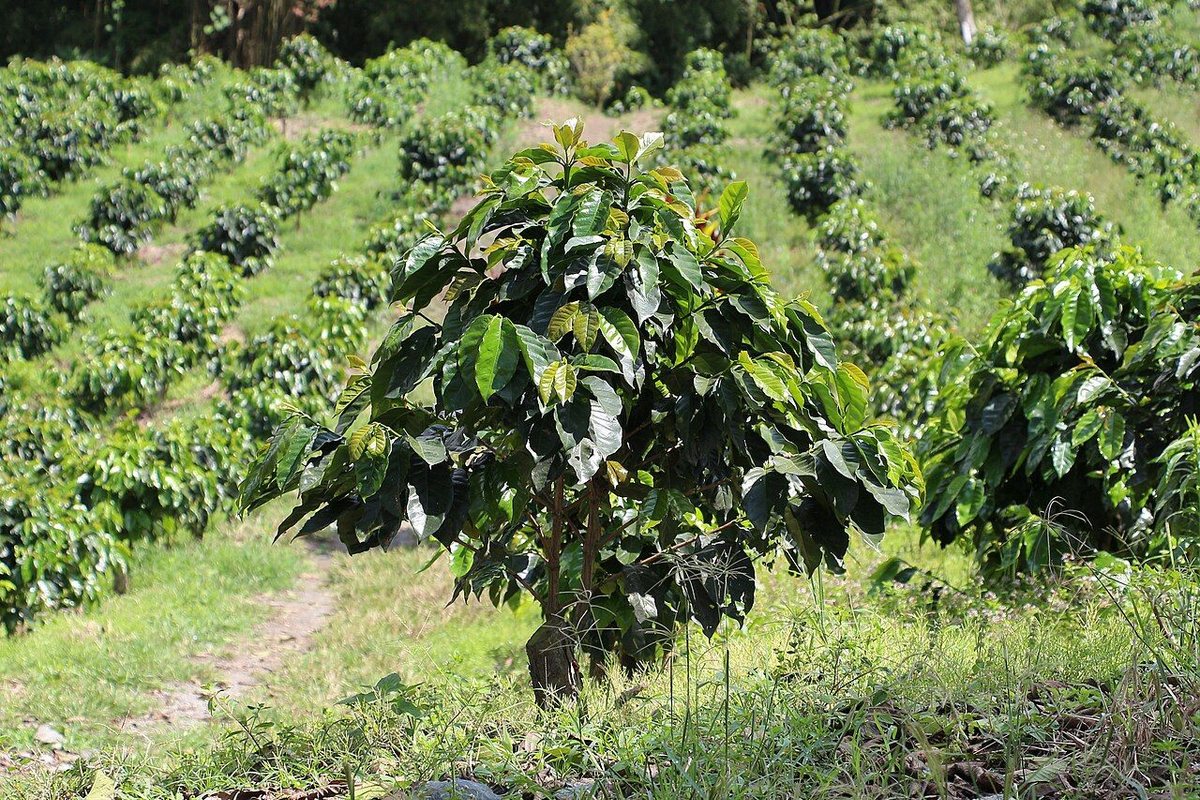
Sarchimor
Known for clean and improving; better than early catimors.. Sarchimor is the sister group to Catimor, created by crossing Villa Sarchi with the Timor Hybrid from around 1970. Like Catimor it carries s
Tabi
Known for sweet, complex; among the better-cupping resistant varieties.. Tabi — meaning 'good' in the Guambiano Indigenous language — was released by Cenicafé in 2002 as a tall, rust-resistant line bred from Typic
Frequently asked questions
- What is the Timor Hybrid and why does it matter for coffee breeding?
- The Timor Hybrid is a naturally occurring cross between Coffea arabica and Coffea canephora (robusta) discovered on the island of Timor. It introduced robusta's strong resistance to coffee leaf rust into an arabica genetic background, making it the foundational parent of major disease-resistant lineages including Catimor and Sarchimor.
- Do disease-resistant varieties like Catimor taste as good as traditional arabica varieties?
- Generally, early disease-resistant varieties such as first-generation Catimors were considered inferior in the cup, sometimes showing harsh or astringent notes. Later-generation bred varieties — such as Castillo, Colombia, Batian, and Parainema — have substantially closed that gap through repeated backcrossing with high-quality arabica parents, though specialty markets still often favor heirloom varieties.
- What makes Kenyan varieties like Ruiru 11 and Batian distinctive?
- Kenyan breeding targeted resistance to both coffee leaf rust and coffee berry disease, a pathogen particularly severe in East Africa. Ruiru 11 achieves this with a compact plant suited to high-density growing, while Batian, developed later, improved on cup quality while retaining dual resistance, making it closer in flavor to Kenya's celebrated SL28 and SL34 varieties.
- What is an F1 hybrid coffee and how does it differ from traditional bred varieties?
- An F1 hybrid is the first-generation offspring of two genetically distinct, inbred parent lines. The cross produces hybrid vigor, potentially delivering superior yield, uniformity, and cup quality. Unlike traditional varieties whose seeds breed true, F1 hybrid seeds do not reproduce the parent plant reliably, so farmers must source new planting material each generation rather than saving seeds from their own harvest.
- Why would a farmer choose a disease-resistant variety over a higher-quality heirloom?
- Farm viability comes before cup quality can matter. A smallholder facing a coffee leaf rust or coffee berry disease outbreak risks losing an entire crop and livelihood. Disease-resistant varieties reduce that risk significantly, enabling more reliable harvests even if the cup score is somewhat lower than an heirloom like Bourbon or Typica.
See also