Knowledge · plant
The Typica Family
The ancient lineage that gave the world its first cultivated Arabica — and still shapes nearly every cup.
Key facts
- Oldest Arabica lineage
- Descends from plants first carried out of Yemen
- Origin
- Cultivated in Yemen from East African wild coffee
- Dispersed by
- Dutch, French, and other colonial traders
- Cup quality
- Clean, sweet, delicate acidity, aromatic complexity
- Main weakness
- Low yields, susceptible to leaf rust and berry disease
- Famous member
- Maragogipe, the elephant bean variety
- Genetic significance
- Ancestor of majority of commercial Arabica varieties
What Is the Typica Family?
The Typica family is the oldest recognized lineage of cultivated Coffea arabica, descending directly from the plants first carried out of Yemen and dispersed across the globe by Dutch, French, and other colonial traders. It is one of two foundational cultivar groups — the other being the Bourbon family — that together form the genetic bedrock of virtually all Arabica coffee grown commercially today.
As a botanical species, Coffea arabica is itself ancient, the result of a natural hybridization between the diploid species Coffea canephora and Coffea eugenioides estimated to have occurred between roughly one and half a million years ago in East Africa. From that wild origin in the montane forests of southwestern Ethiopia and South Sudan, a narrow genetic bottleneck occurred as coffee was first cultivated in Yemen. Typica represents the cultivated expression of that bottleneck: a single lineage that spread outward and gave rise, through natural mutation and careful human selection, to the remarkable diversity of Arabica varieties we know today.
The individual varieties belonging to this family are listed below this article.
Origins and Dispersal
The path of Typica out of the Arabian Peninsula and into the wider world is one of coffee's most consequential journeys. Dutch traders brought Arabica plants from Yemen to their botanical garden in Amsterdam, and from there to their colonies in Java and Suriname. French missionaries carried plants to the Americas. Each transplantation created a new founder population with reduced genetic diversity compared to the wild Ethiopian gene pool — but also a stable, identifiable plant type that farmers and breeders could work with.
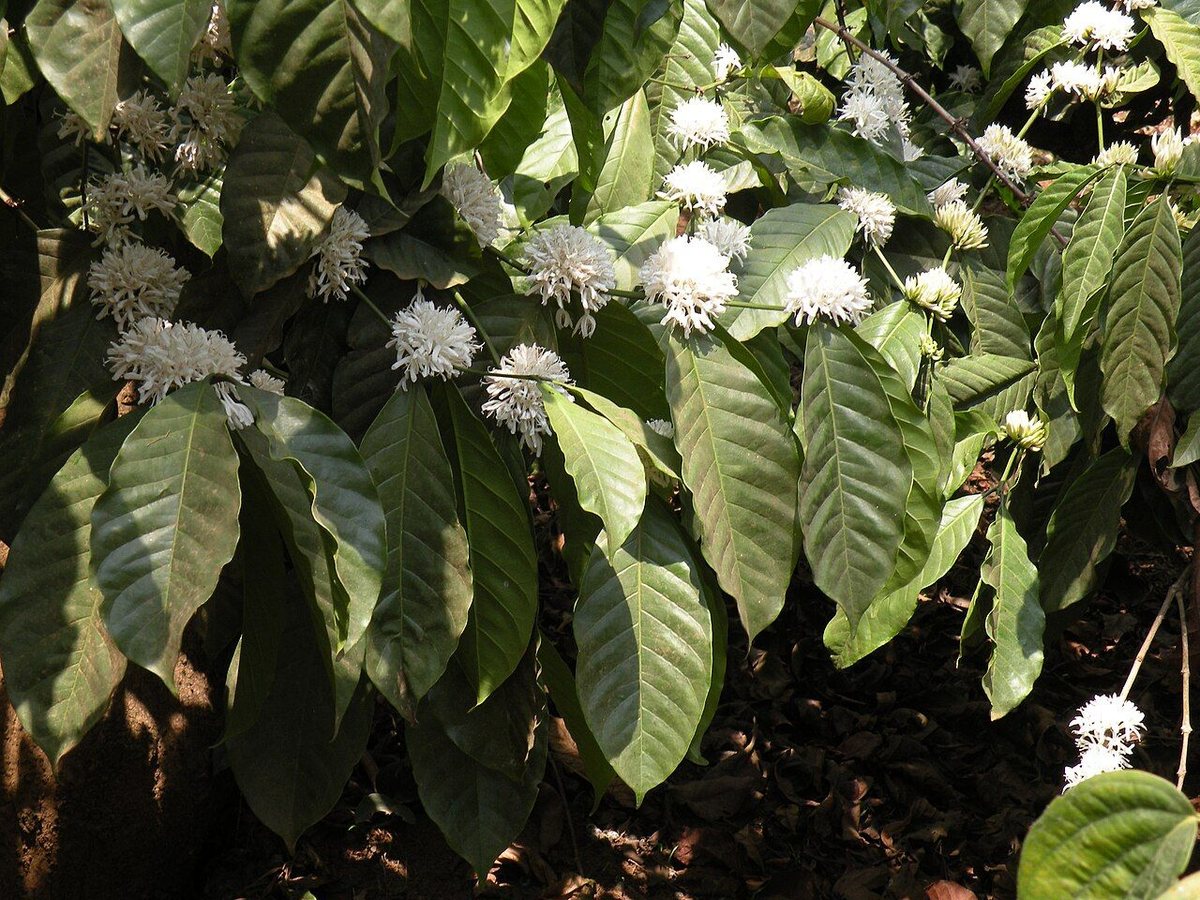
The resulting Typica plant is tall and conical in structure, with bronze-tipped new leaves, elongated cherries, and a relatively open canopy. It thrives at high elevations with moderate temperatures, well-drained soils, and consistent rainfall — conditions typical of the montane forest environments from which its wild ancestors came. Its relatively low genetic diversity makes it more susceptible to pests and diseases than some later cultivars, but it also means its flavor characteristics are remarkably consistent and well understood.
Cup Quality and Agronomic Profile
Typica and its close descendants are renowned for cup quality above almost all other traits. The flavor profile is typically clean, sweet, and nuanced — with delicate acidity, good body, and a wide range of aromatic complexity depending on origin and processing. These qualities made Typica the de facto standard for fine coffee for generations, and they remain the reference point against which many newer cultivars are evaluated.
The trade-off is agronomic. Typica plants produce relatively low yields compared to more modern cultivars, and they are susceptible to major threats including coffee leaf rust (CLR) and coffee berry disease (CBD). As disease pressures intensified globally and demand for higher-yielding plants grew, breeders in the twentieth century began selecting mutations and developing crosses — many of which still trace their parentage back to Typica stock.
Key Members of the Family
Several of the world's most historically significant and distinctively recognizable Arabica varieties belong to the Typica lineage.
Maragogipe, sometimes called the "elephant bean" variety, is one of the most visually striking mutations in the Typica family, producing unusually large beans that have made it a curiosity and a specialty item among coffee enthusiasts. Despite its dramatic appearance, it shares Typica's characteristic low-yield tendency.
Kent is an early selection developed in India with the aim of improving resistance to coffee leaf rust, representing one of the first systematic attempts to address Typica's disease vulnerability while preserving its cup quality.
Java, grown in the Indonesian archipelago where Typica was among the earliest Arabica plants introduced outside of Africa and Arabia, reflects the long history of cultivation on those islands and the regional adaptations that emerged over generations.
Mokka (also spelled Mocha) is a small-leafed, small-beaned variety associated with the ancient coffee trade of Yemen, and is considered one of the closest living relatives to the original cultivated Typica type.
S795 and Sidra represent later selections and crosses that retain strong Typica heritage while incorporating traits selected for specific growing environments or cup characteristics.
Together these varieties illustrate how a single ancestral lineage can diversify — through natural mutation, geographical isolation, and deliberate human selection — into a family of distinct but related cultivars.
Legacy and Importance
The Typica family's importance to coffee cannot be overstated. Together with Bourbon, Typica is the genetic ancestor of the vast majority of cultivated Arabica varieties in existence. Modern breeding programs, even when focused on disease resistance or yield improvement, frequently incorporate Typica genetics because of the cup quality those genes confer.
As World Coffee Research and other institutions work to document and preserve Arabica genetic diversity, the Typica lineage occupies a central place — both as a living heritage of coffee's origins and as an active source of genetic material for the future of the crop. For specialty coffee producers and roasters, Typica-family varieties remain synonymous with the highest standards of cup quality, even as newer cultivars challenge them on every agronomic measure.
In this section
Java
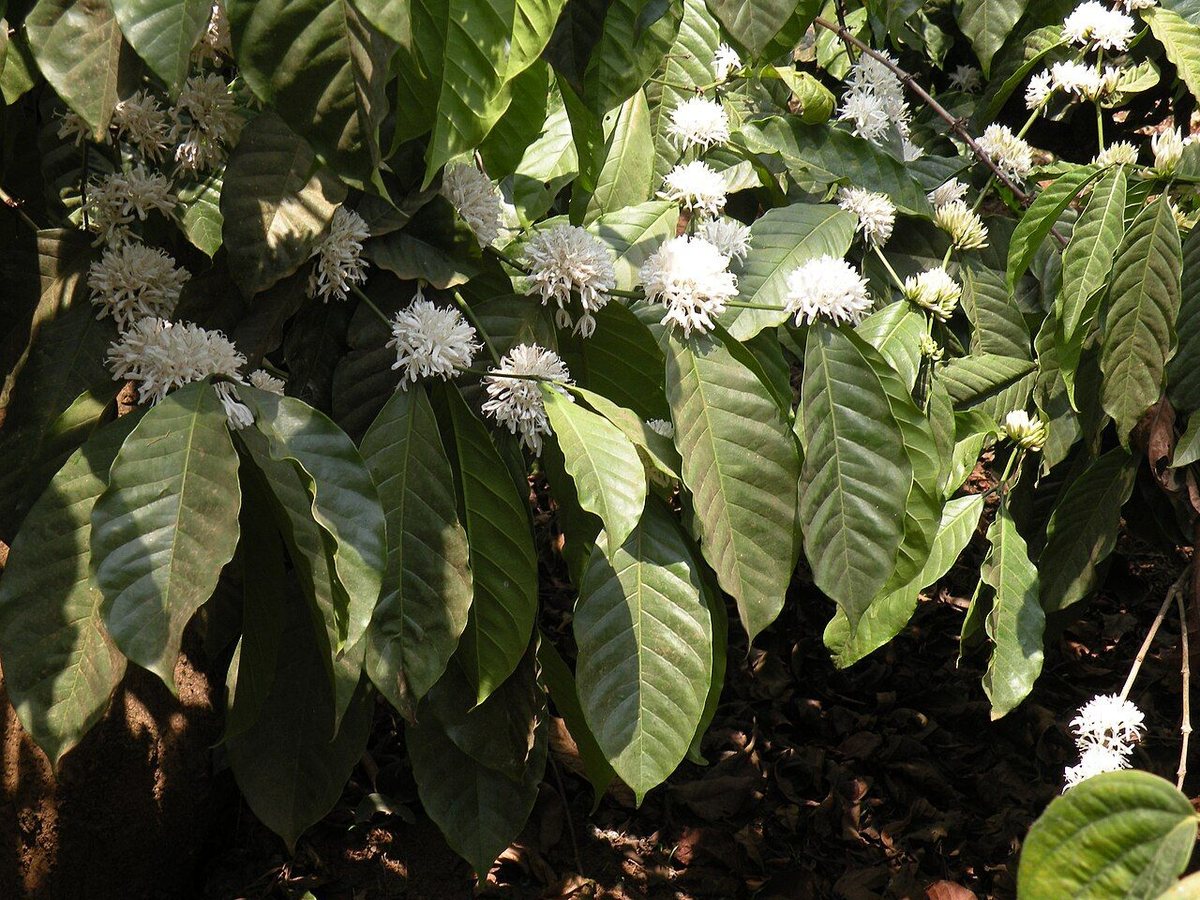
Known for clean, floral, sweet with bright acidity.. The 'Java' variety is, despite its name, an Ethiopian-landrace-derived selection (related to the Abyssinia/Geisha-adjacent material) that wa
Kent
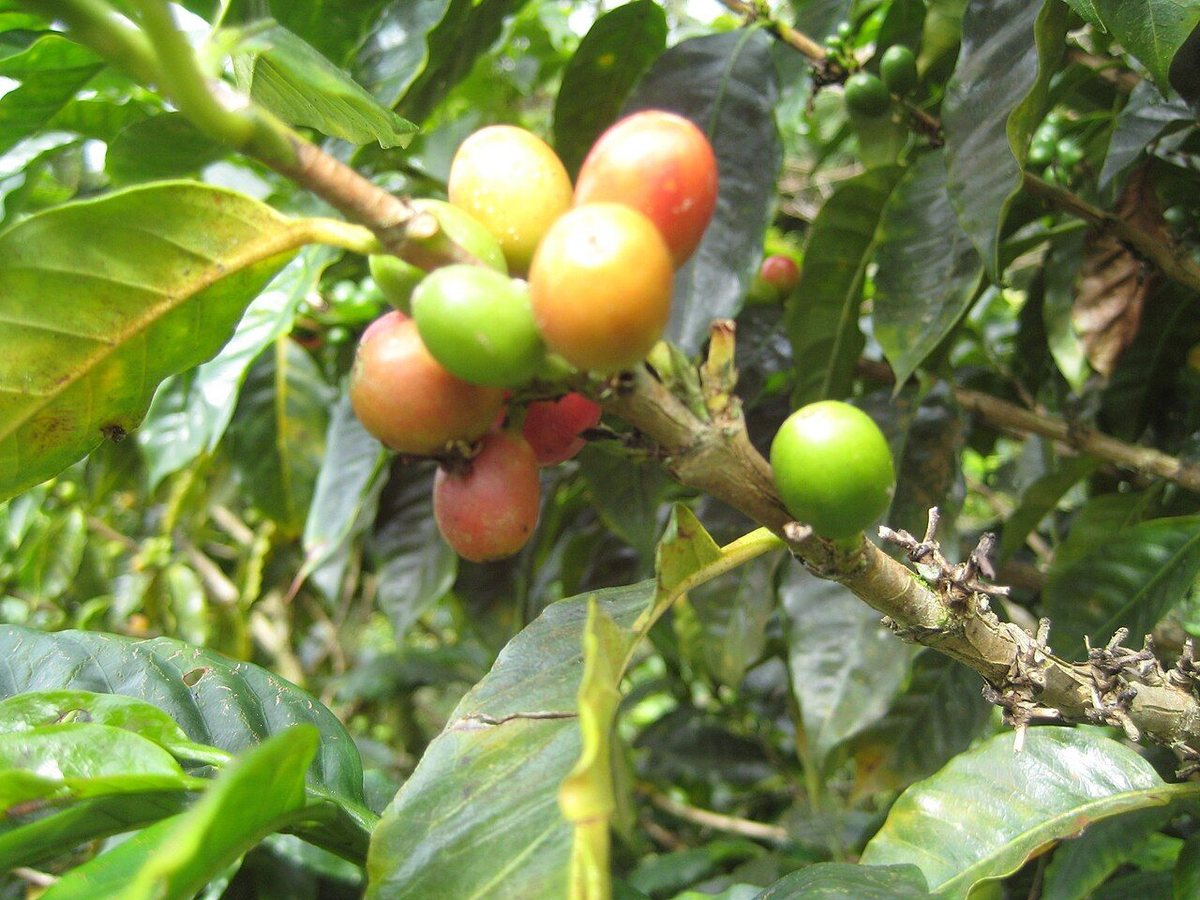
Known for mild, sweet, balanced.. Kent is a Typica-derived selection developed on the Kent estate in India's Mysore region in the 1920s, one of the earliest varieties bred sp
Maragogipe
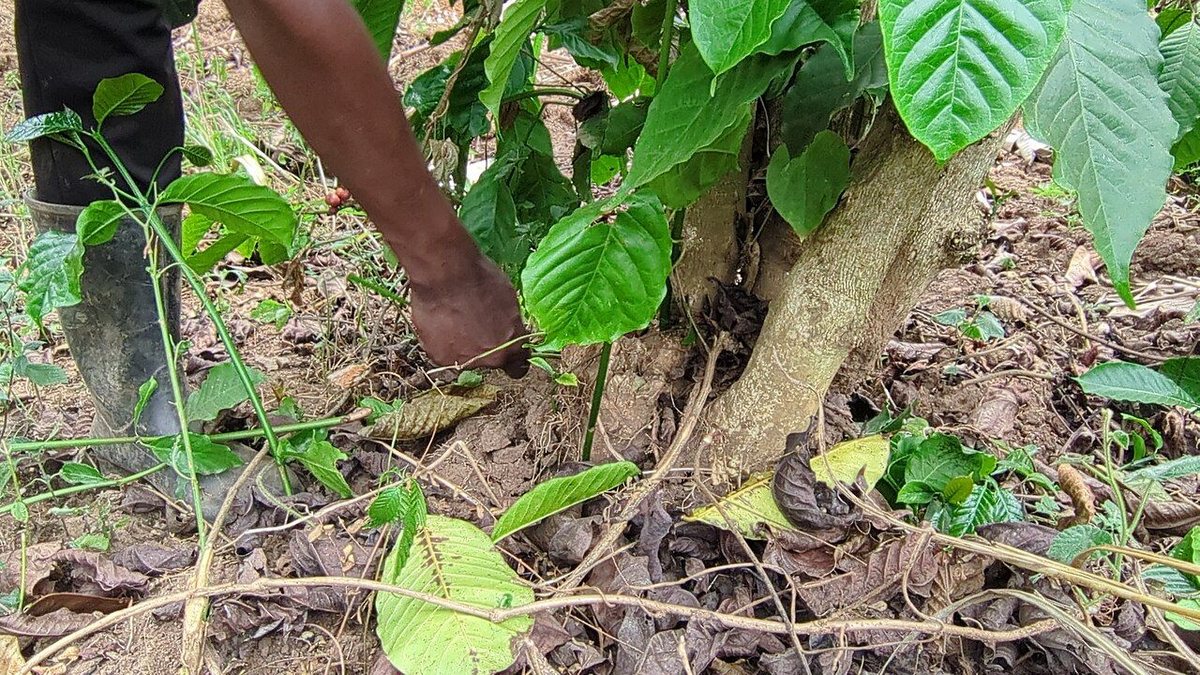
Known for mild, sweet, smooth with low acidity.. Maragogipe is a natural mutation of Typica discovered near the town of Maragogipe in Bahia, Brazil, in the 1870s, famous for producing the l
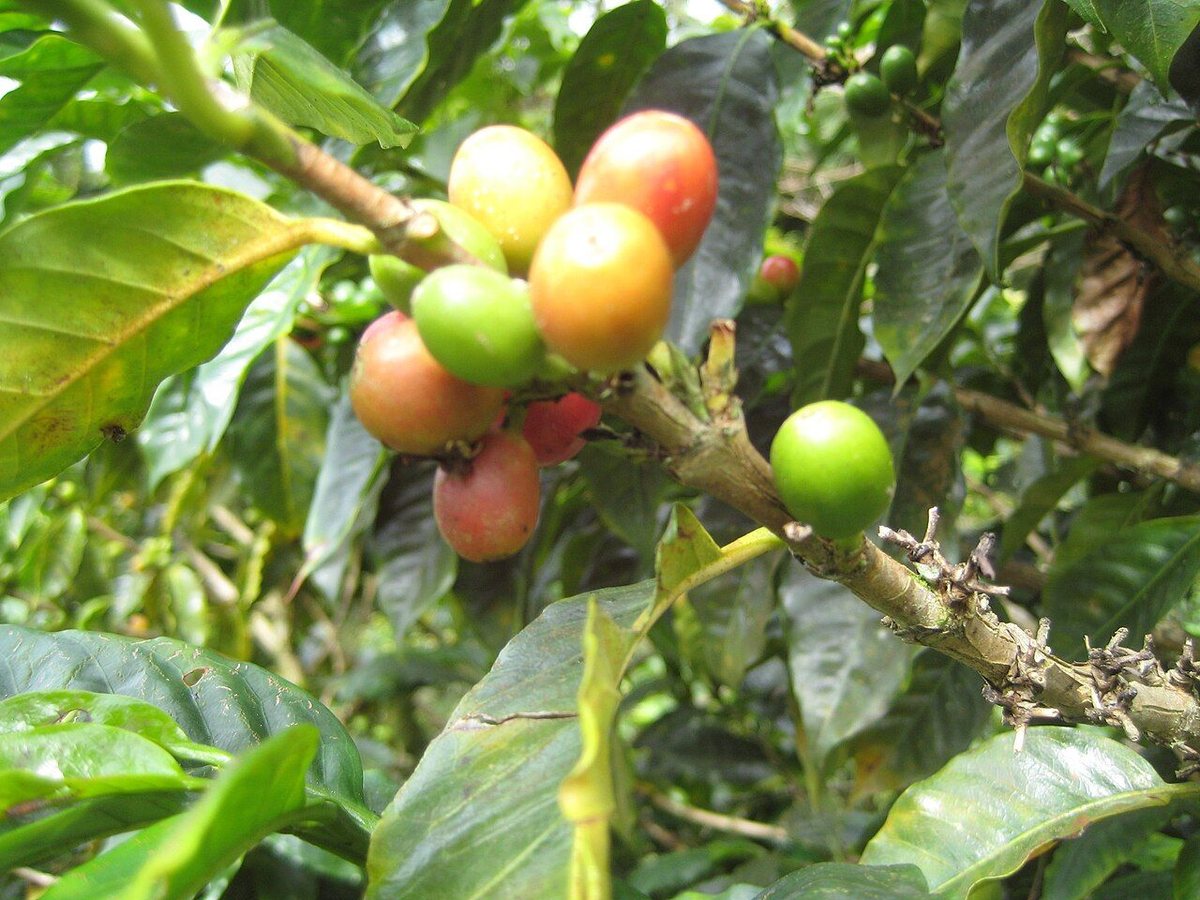
Mokka (Mocha)
Known for sweet, complex, with chocolate and spice in a tiny bean.. Mokka (not to be confused with the Mocha-Java blend or chocolate drink) is a variety of very small, round beans associated with Yemeni herit
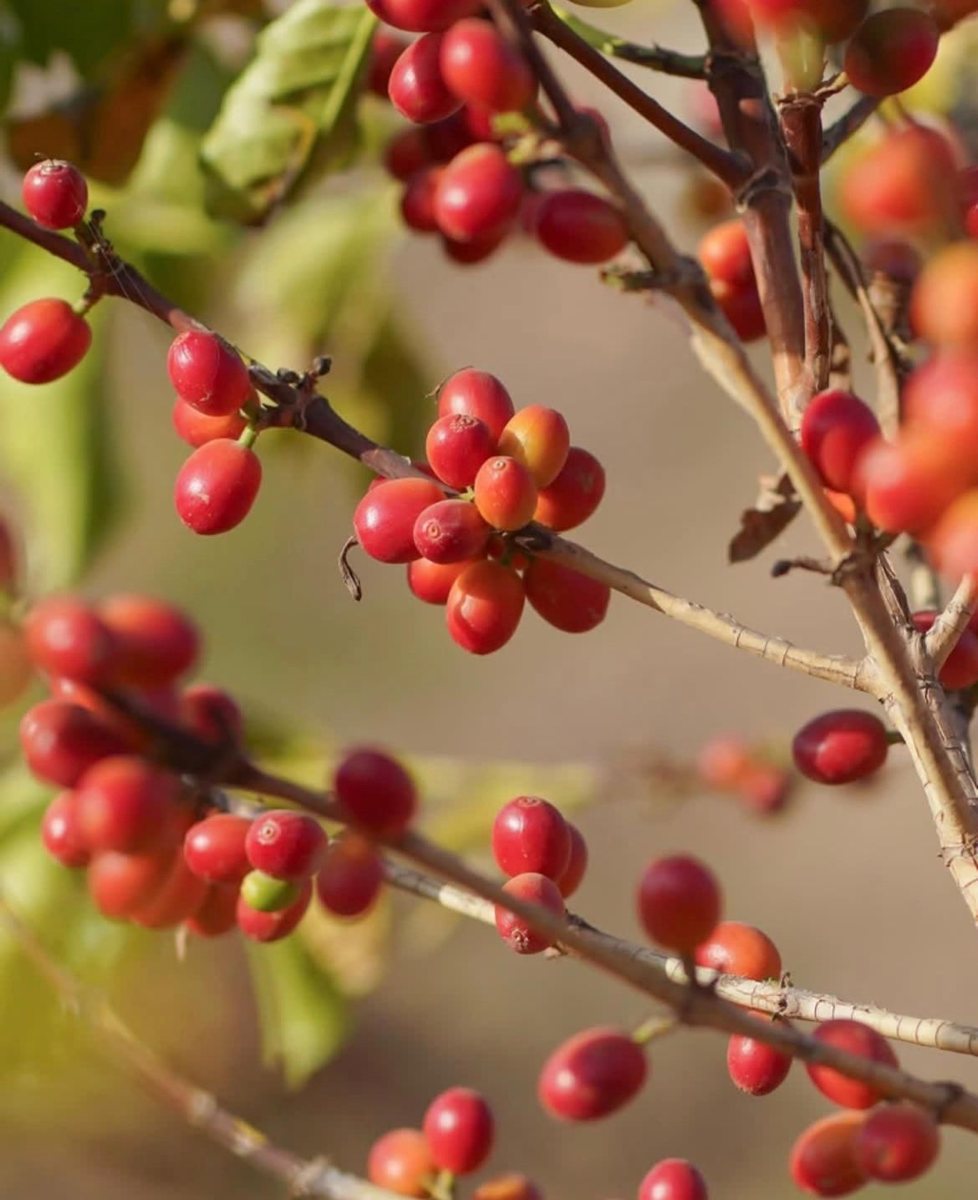
S795
Known for balanced, mild, with cedar and gentle sweetness.. S795 is an Indian selection released around 1946, derived from a cross involving Kent and the rust-tolerant S288 (which carries some Liberic
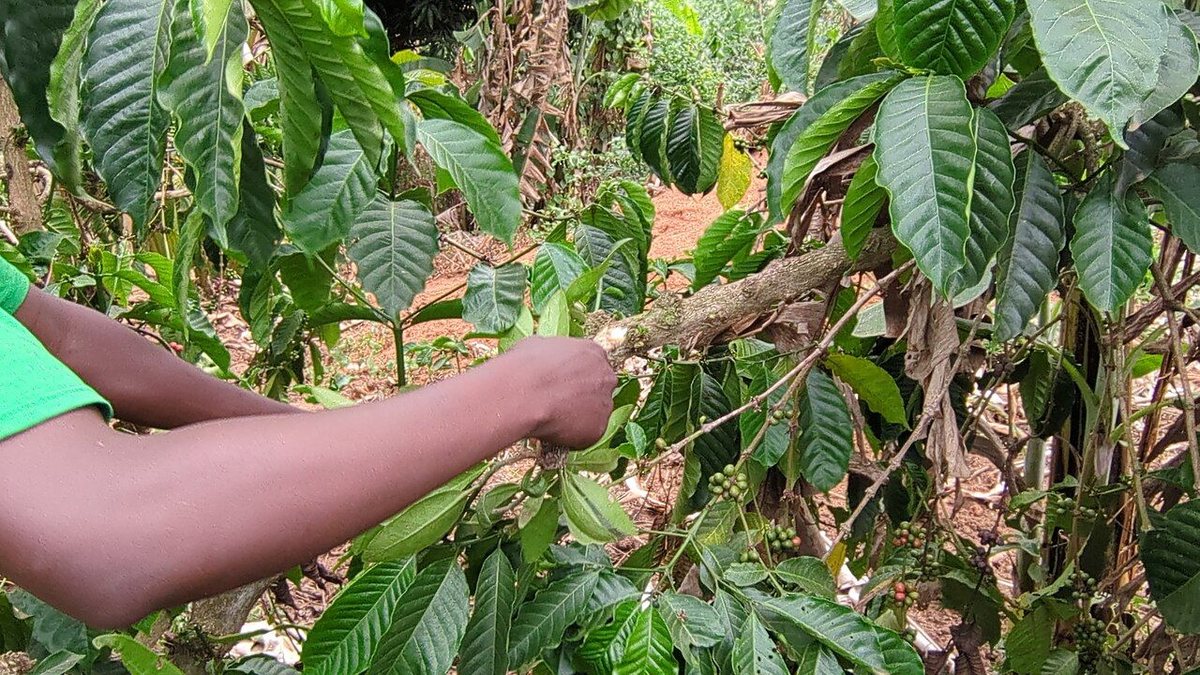
Sidra
Known for crystalline, floral, citric and tea-like.. Sidra is a variety popularised by Ecuadorian producers and increasingly grown in Colombia, often described as a Typica–Bourbon-related selec
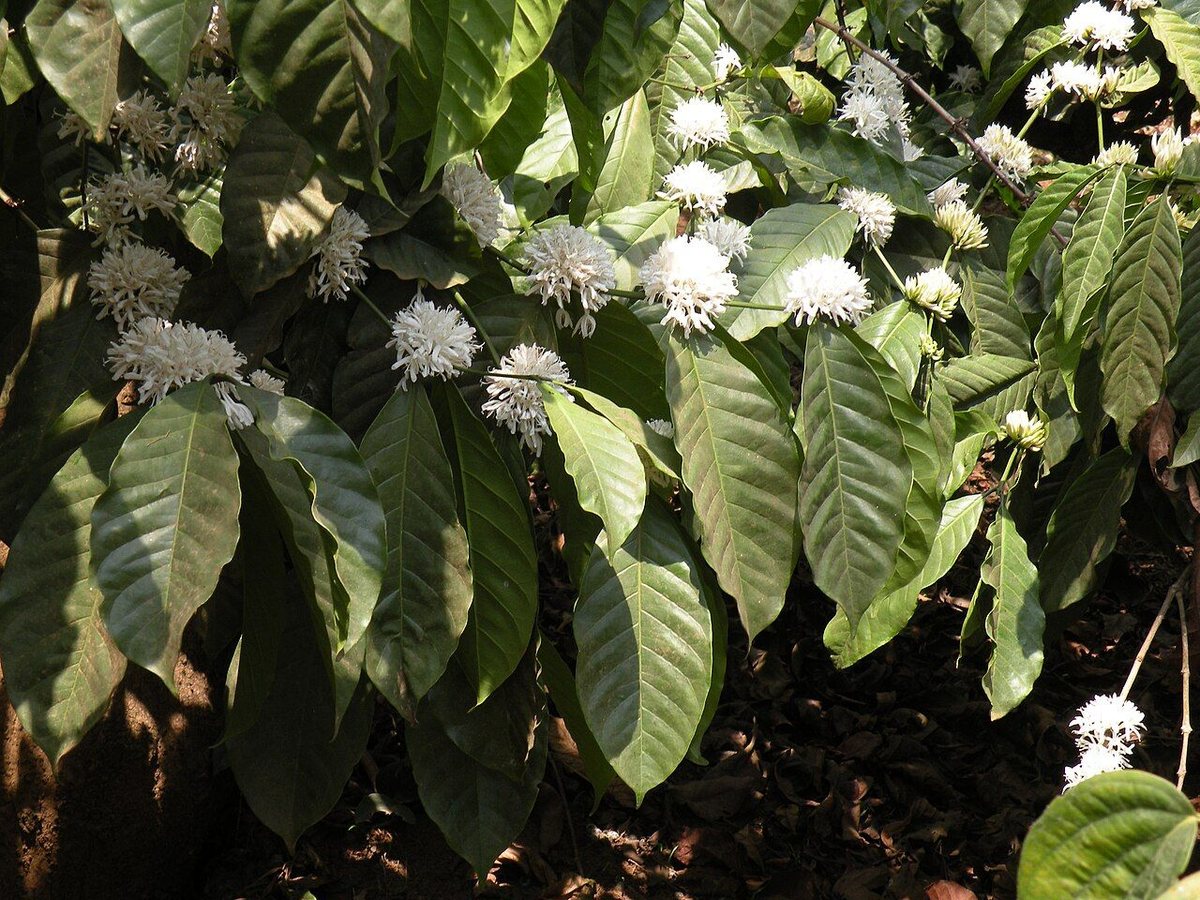
Typica
Known for clean, sweet, balanced with gentle acidity.. Typica is one of the two foundational Arabica cultivar lineages from which most others descend. Carried from Yemen to the Dutch colony of Ja
Frequently asked questions
- What makes Typica the most important Arabica lineage?
- Typica, alongside Bourbon, is the genetic ancestor of nearly all cultivated Arabica varieties in the world. Its dispersal from Yemen across the globe centuries ago created the founder populations from which most modern cultivars descend, making it the foundational lineage in coffee breeding and cultivation history.
- Why do Typica-family varieties have low yields?
- Typica's low yield is partly a consequence of the genetic bottleneck that occurred when coffee was first moved from its native Ethiopian and Yemeni habitat into cultivation elsewhere. The resulting plants are genetically uniform and have not been selected primarily for productivity, making yield one of the main trade-offs for the exceptional cup quality the family is known for.
- What is the 'elephant bean' variety in the Typica family?
- Maragogipe is the variety commonly nicknamed the 'elephant bean' due to its unusually large bean size. It is a natural mutation within the Typica lineage and is prized as a specialty item, though it shares the family's characteristic low-yield tendencies.
- Is Typica susceptible to coffee leaf rust?
- Yes. Typica and most of its close descendants have relatively high susceptibility to coffee leaf rust (CLR) and other diseases. This vulnerability has been one of the main drivers of breeding programs that sought to introduce resistance traits — often by crossing Typica-lineage plants with more disease-resistant material.
- How does Typica differ from Bourbon?
- Both Typica and Bourbon descend from the original Arabica plants of Yemen and are considered the two primary foundational lineages of cultivated Arabica. Bourbon is generally considered a mutation of Typica that emerged in isolation on the island of Réunion, and the two lineages differ subtly in plant architecture, bean shape, and flavor nuance, though both are celebrated for high cup quality.
See also