Knowledge · geography
Coffee Regions
Every growing region we index, country by country
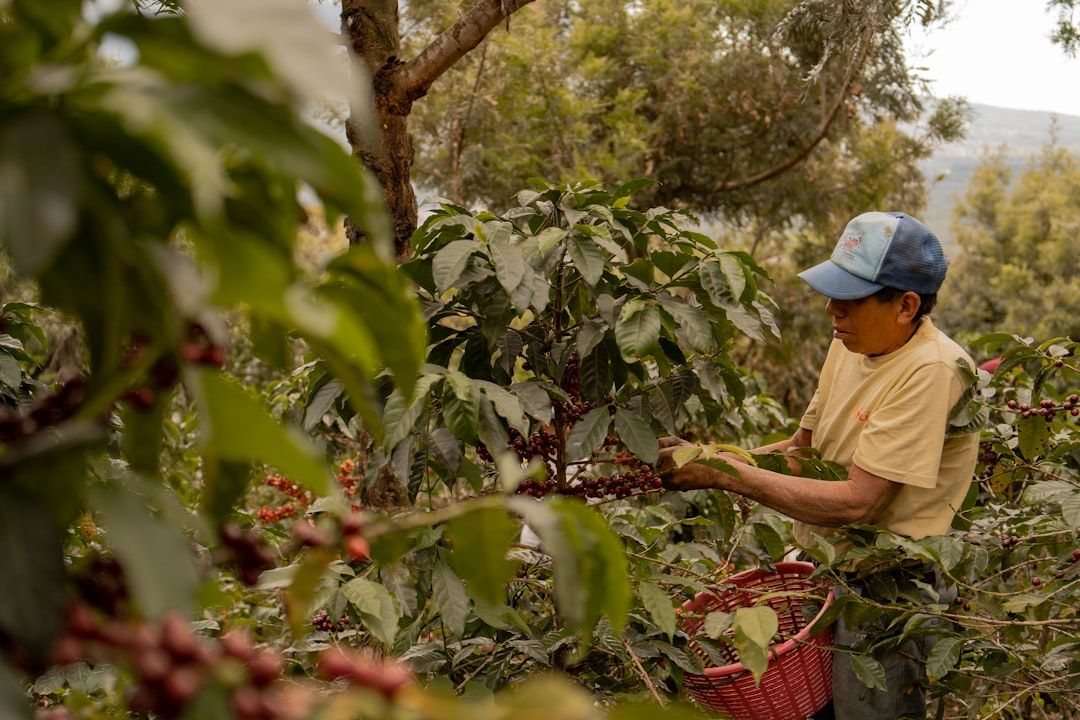
Browse coffee origins below. Each page covers the growing area's character, altitude, the varieties and processes common there, and the in-stock coffees we carry from that origin.
In this section
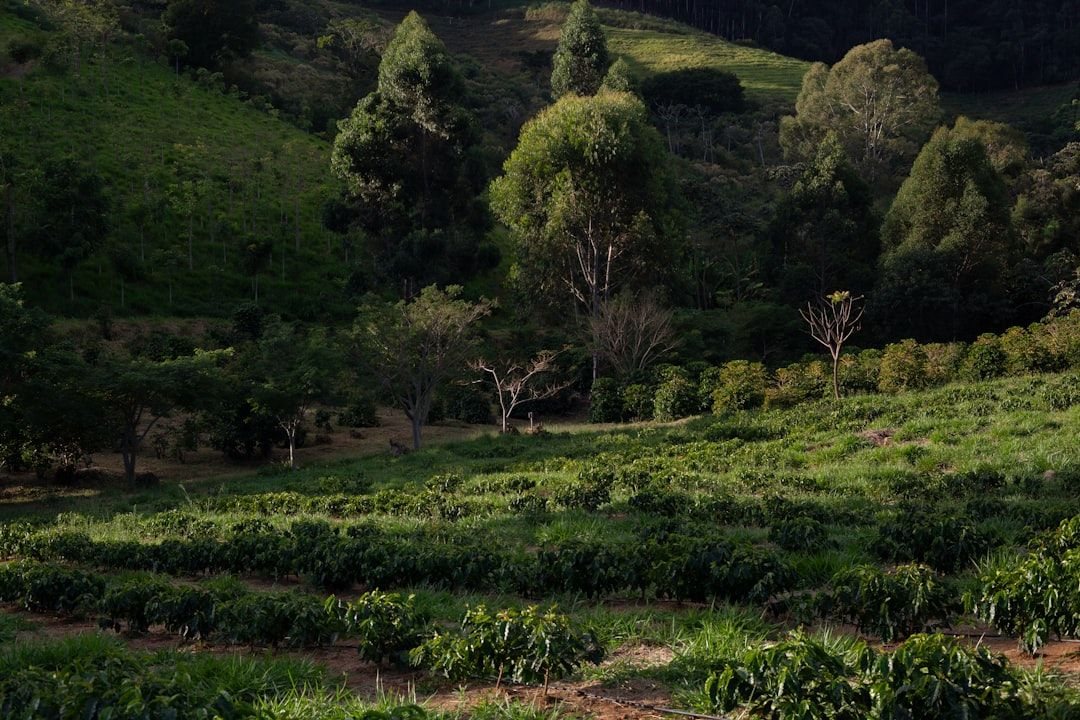
Cerrado Mineiro, Brazil
Brazil's first demarcated coffee origin (DO) — mechanised, chocolatey, nutty naturals with low acidity.

Mogiana, Brazil
Historic terra-rossa region on the São Paulo–Minas border known for sweet, full-bodied, chocolate-and-caramel cups.

Sul de Minas, Brazil
Brazil's most productive region — rolling smallholder farms producing sweet, nutty, chocolatey coffee at scale.
Kayanza, Burundi
High-altitude Bourbon from northern Burundi — sparkling, juicy, with red fruit, florals, and tea-like delicacy.
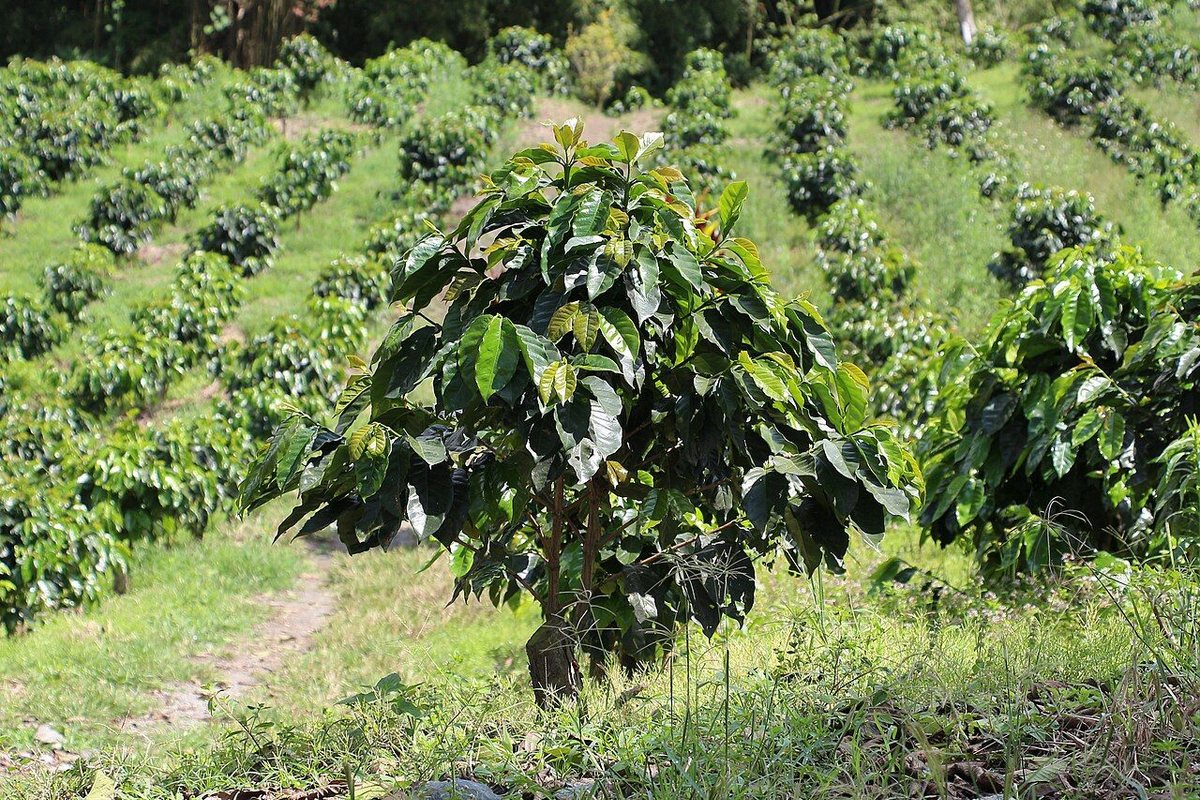
Antioquia, Colombia
Heartland of Colombian coffee culture around Medellín — balanced, chocolatey, classically 'Colombian' cups.
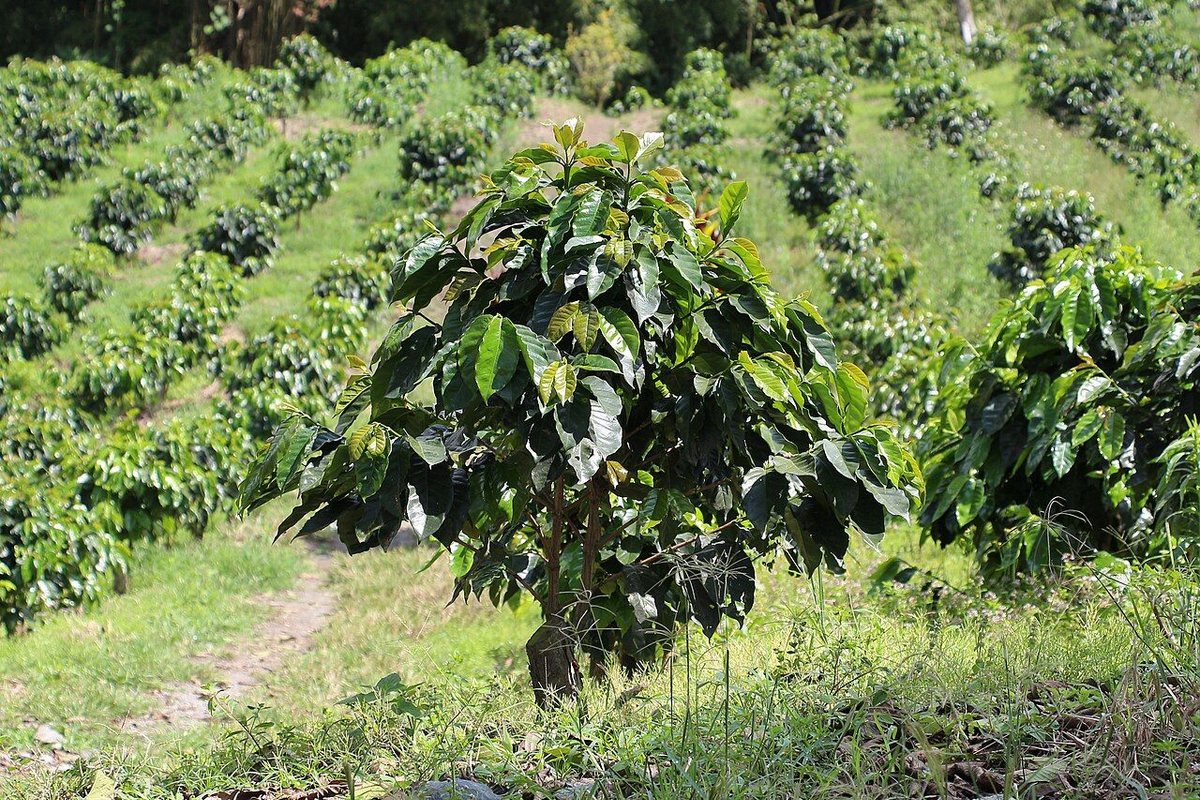
Cauca, Colombia
High southwestern department producing crisp, high-acidity coffees with citric and red-fruit clarity.
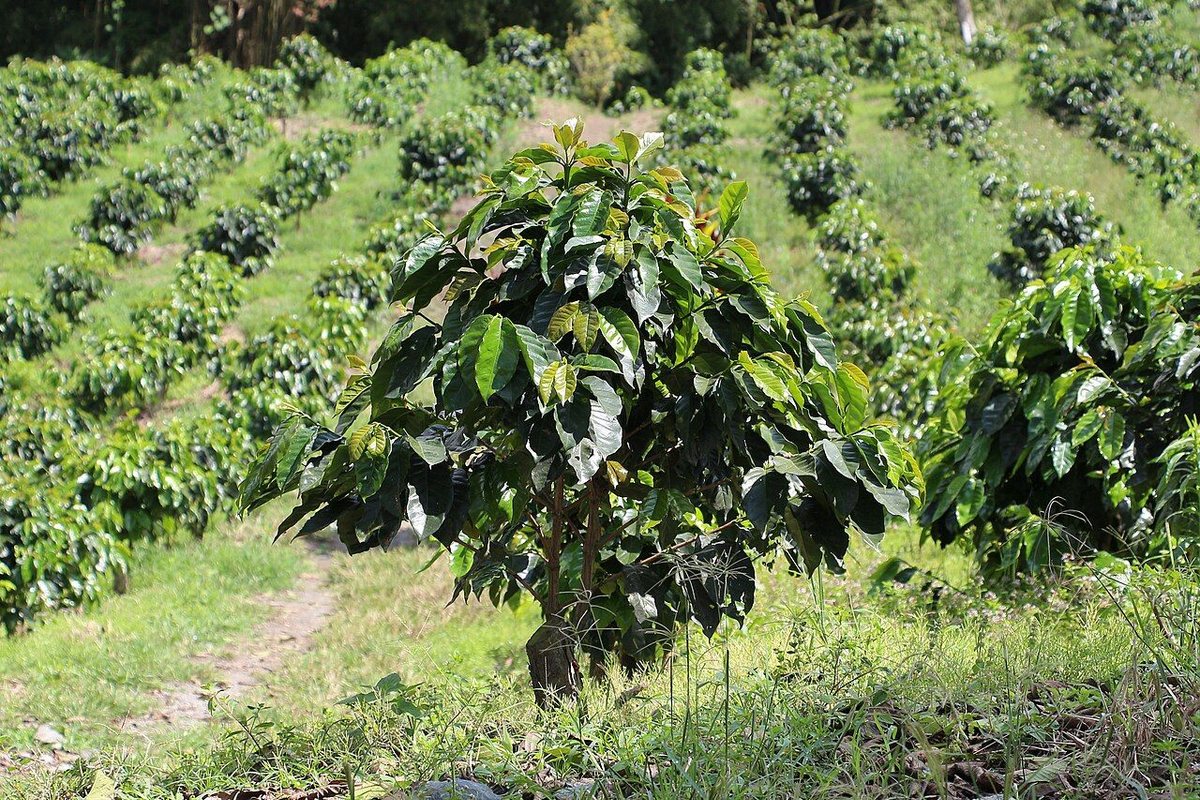
Huila, Colombia
Colombia's most awarded department — sweet, complex washed coffees with caramel, red fruit, and bright acidity.
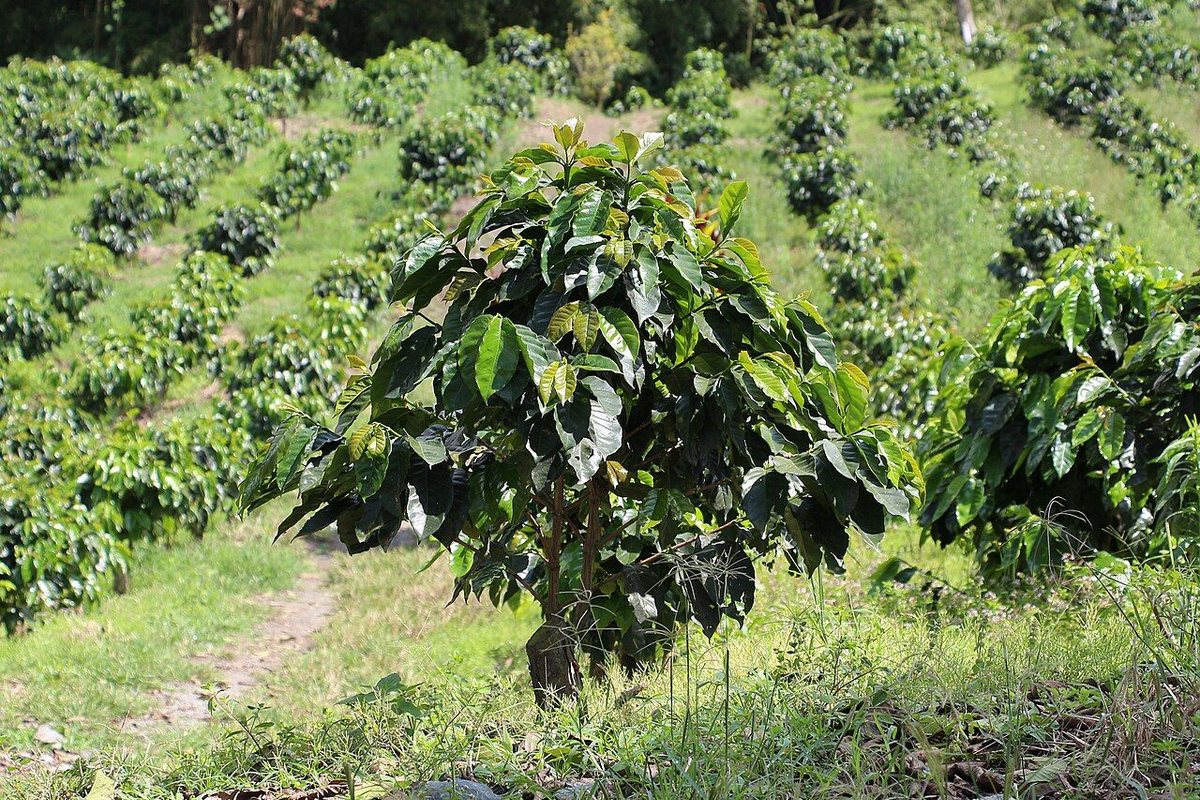
Nariño, Colombia
High-altitude southern department known for unusually bright, sweet, almost citric-candy washed cups.
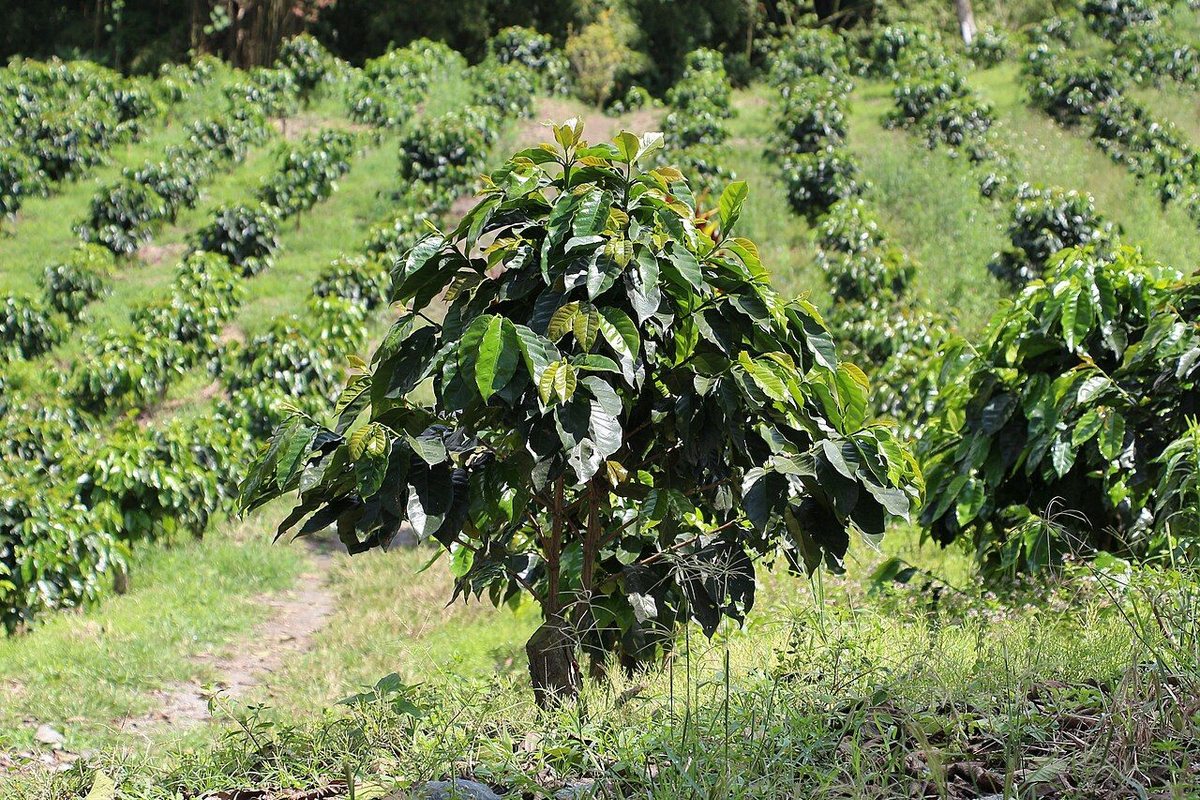
Tolima, Colombia
A once-isolated department now prized for clean, sweet, balanced smallholder washed coffees.
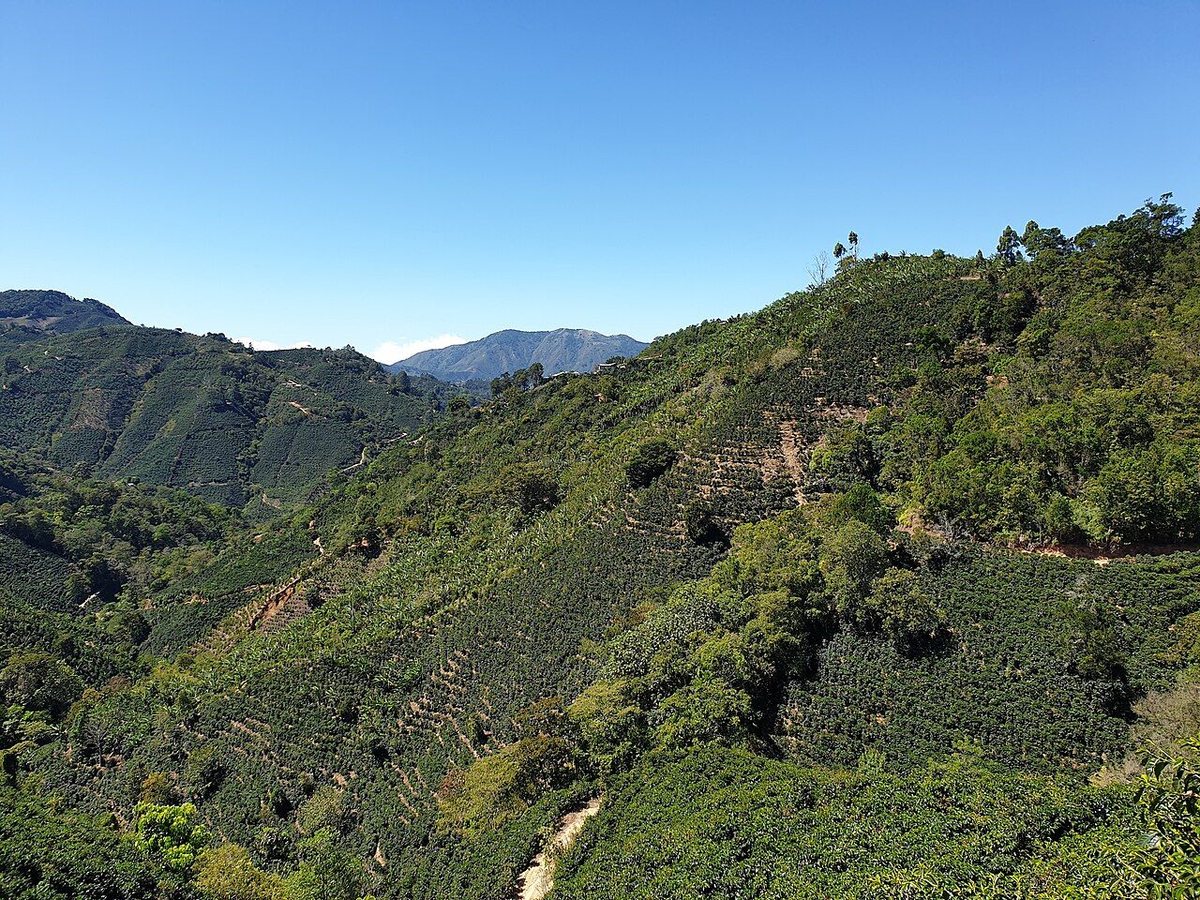
Tarrazú, Costa Rica
Costa Rica's marquee region — bright, clean, sweet coffees and the birthplace of the honey-process micro-mill movement.
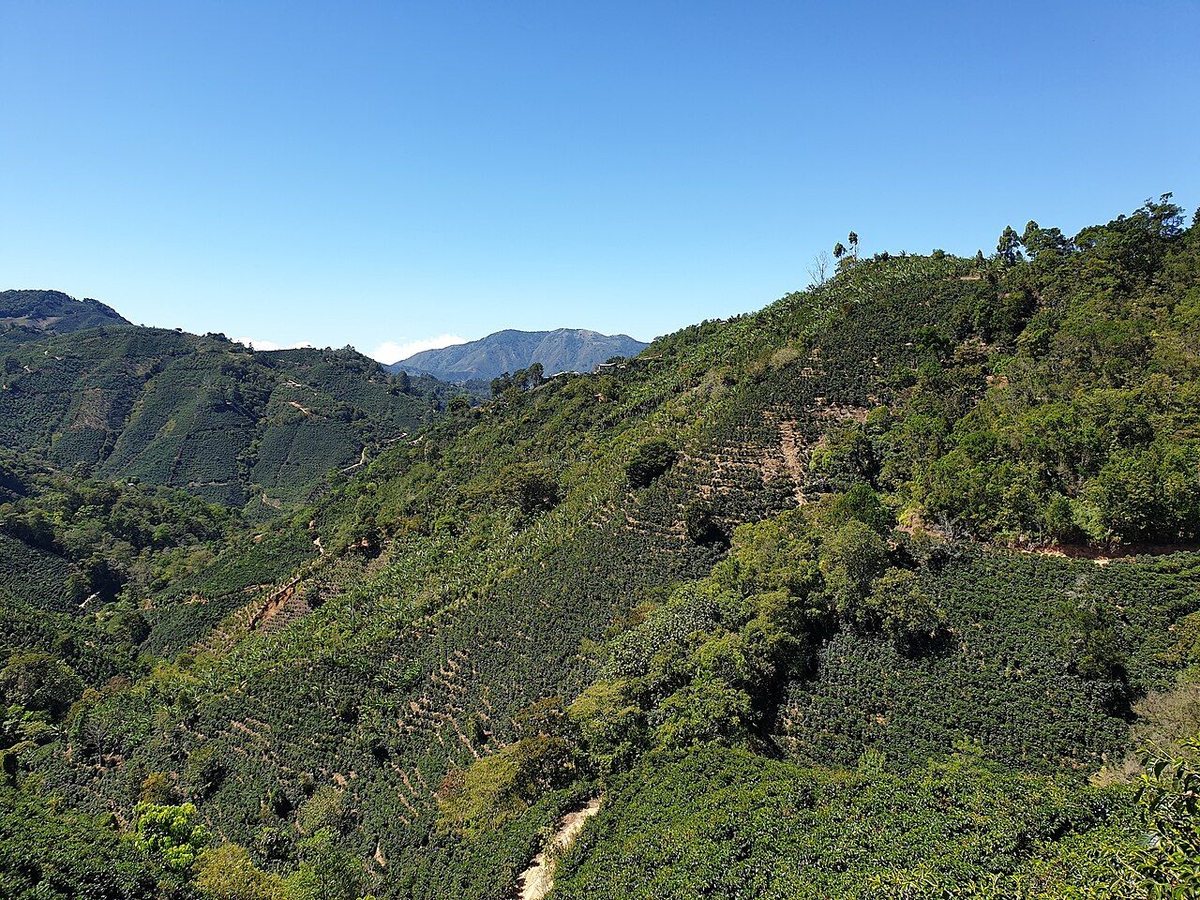
West Valley, Costa Rica
Birthplace of the Villa Sarchi variety and a hotbed of honey-process experimentation, with floral, sweet cups.
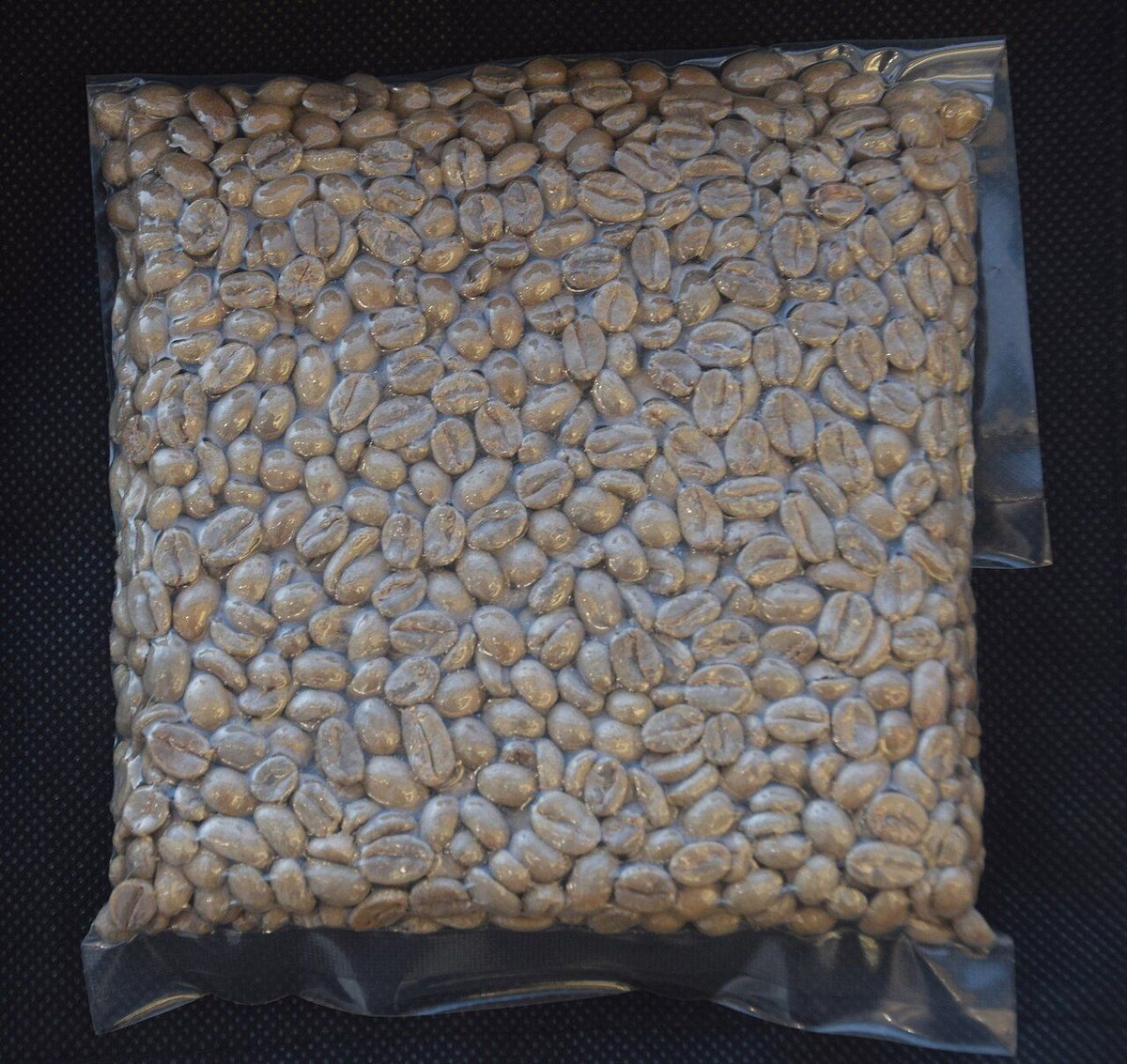
Guji, Ethiopia
A relatively young star origin known for clean, intensely floral and stone-fruit-driven micro-lots.
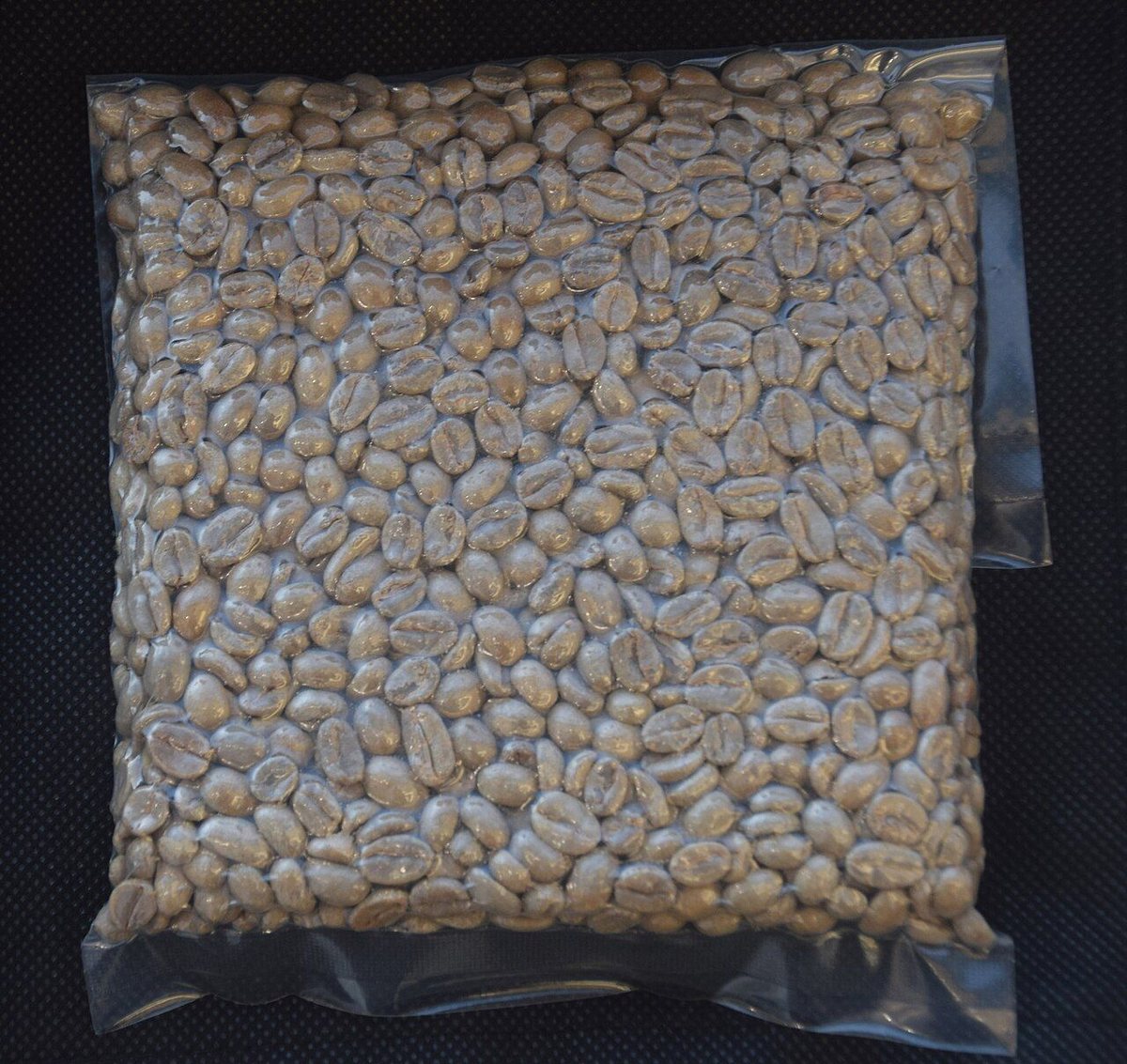
Harrar, Ethiopia
One of the world's oldest coffee names — dry-processed, wild, with blueberry and winey, almost fermented fruit.
Kaffa, Ethiopia
The forested region widely regarded as the birthplace of Arabica, with wild forest coffee still growing semi-wild.
Limu, Ethiopia
A western highland region producing rounded, balanced washed coffees with winey, spiced sweetness.
Sidamo, Ethiopia
A broad southern region producing bright, citric washed coffees and sweet, berry-forward naturals.
Yirgacheffe, Ethiopia
The benchmark for floral, tea-like washed Ethiopian coffee — jasmine, bergamot, and citrus over a silky body.
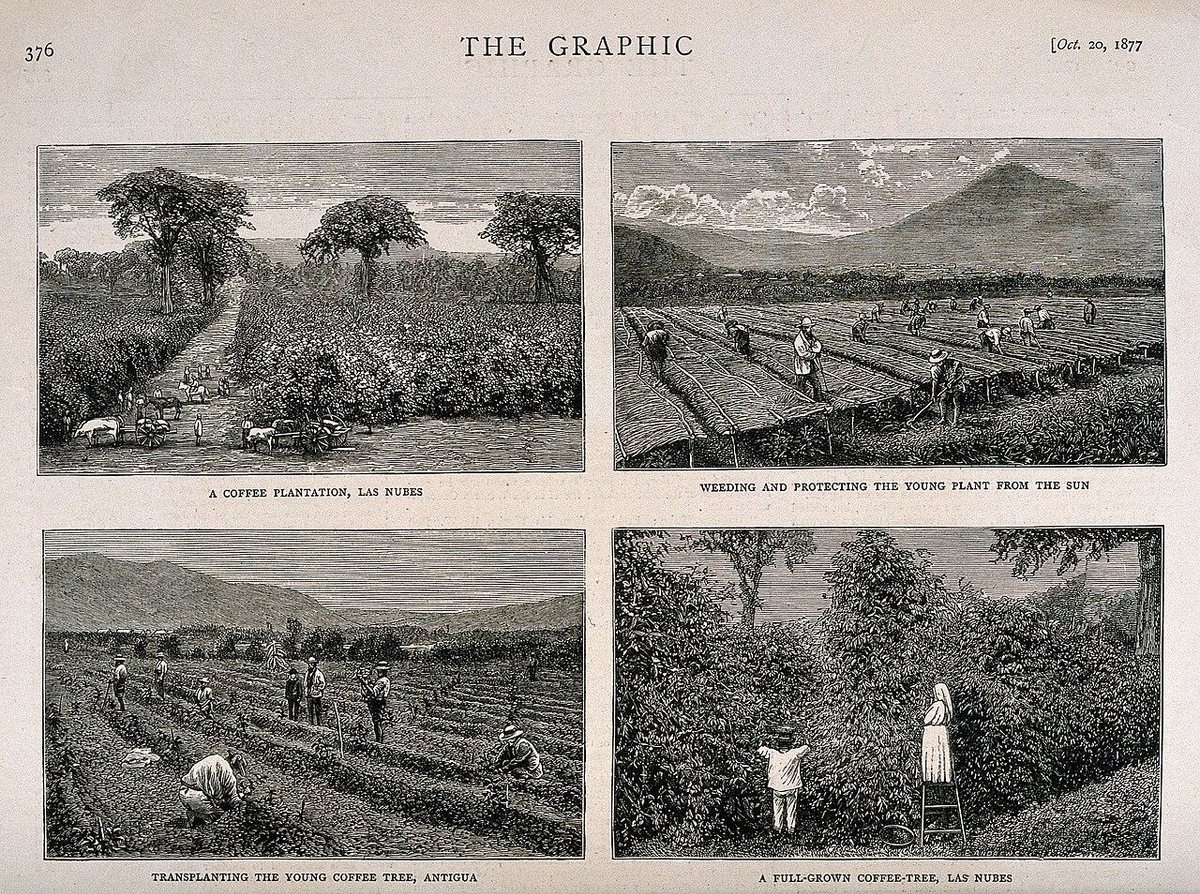
Antigua, Guatemala
Volcano-ringed valley producing rich, full-bodied washed coffee with cocoa, spice, and smoky depth.
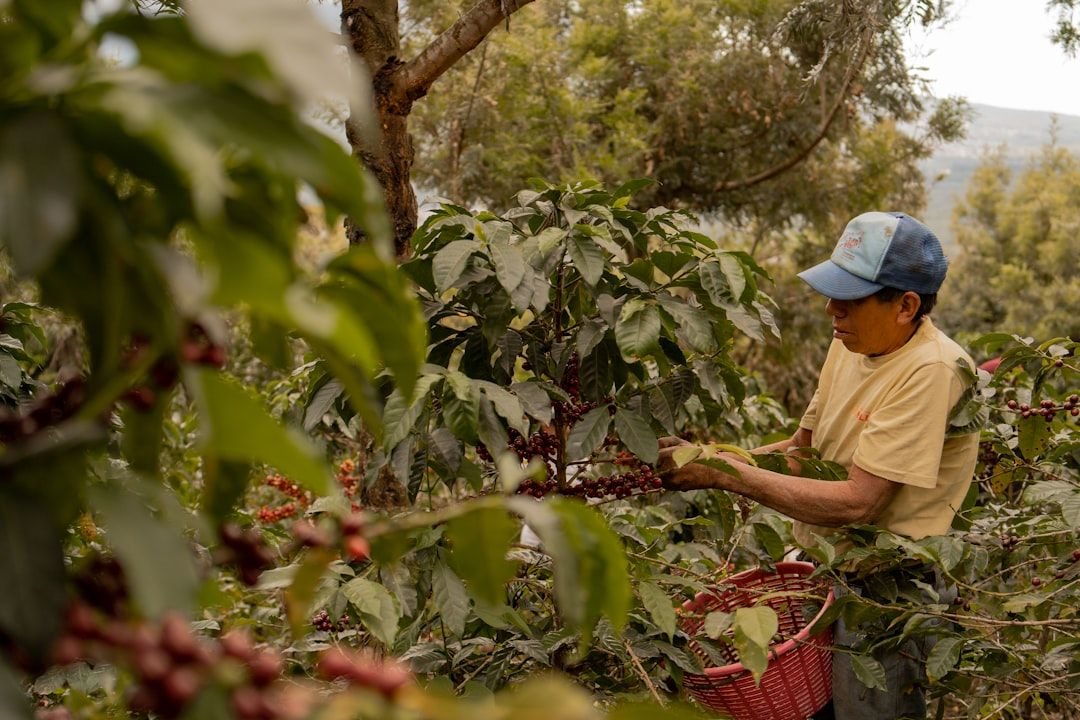
Atitlán, Guatemala
Coffee grown on volcanic slopes above Lake Atitlán — bright, citric, and full-bodied with floral lift.
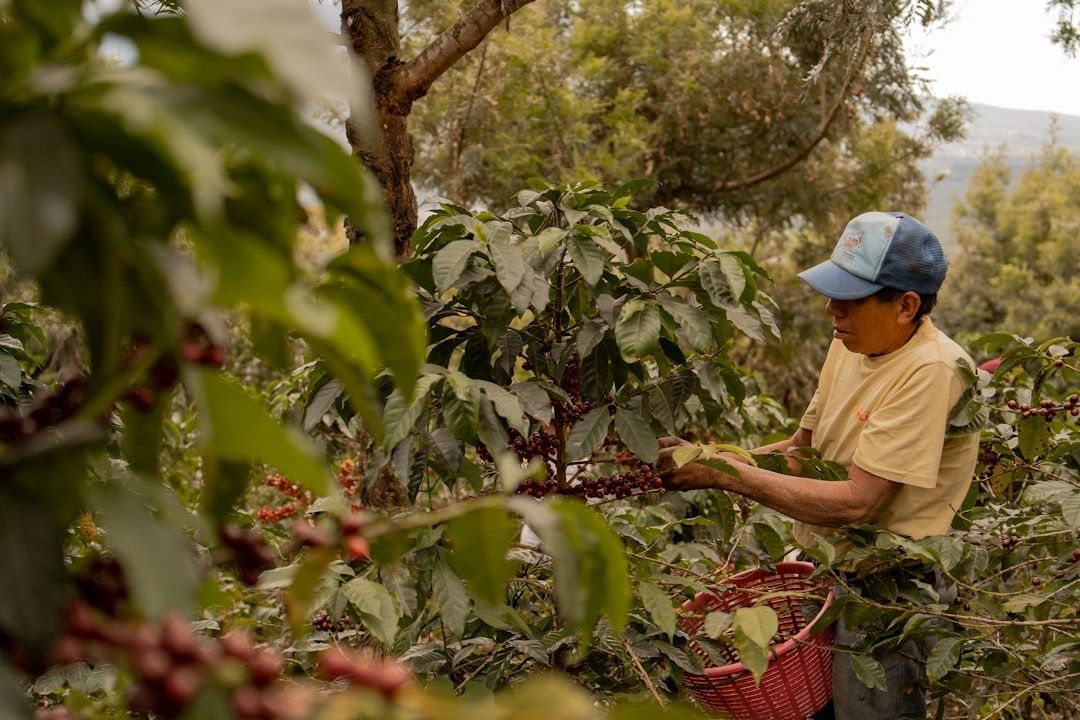
Huehuetenango, Guatemala
Guatemala's highest non-volcanic region — bright, fruity, wine-like washed coffees near the Mexican border.
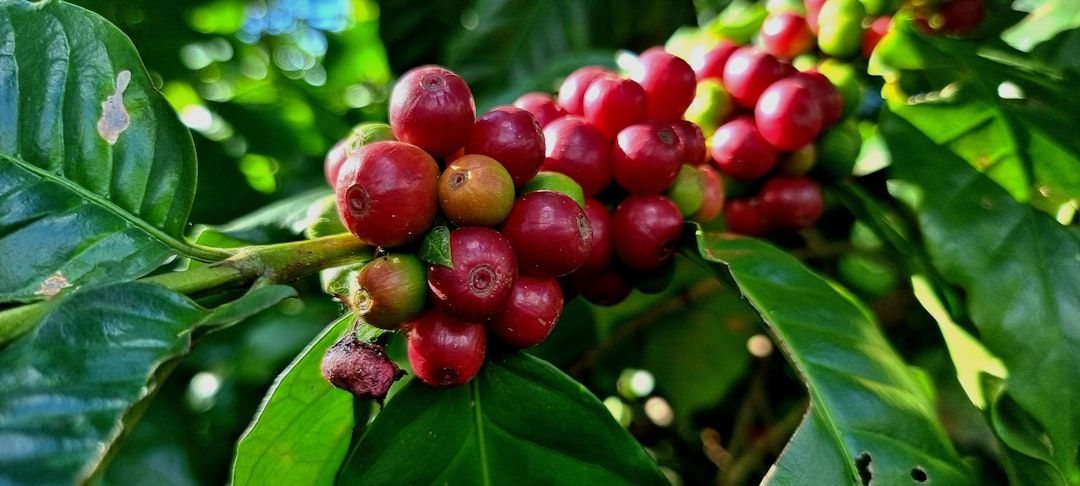
Marcala, Honduras
Honduras's first denomination-of-origin region — sweet, balanced, chocolate-and-citrus washed smallholder coffee.
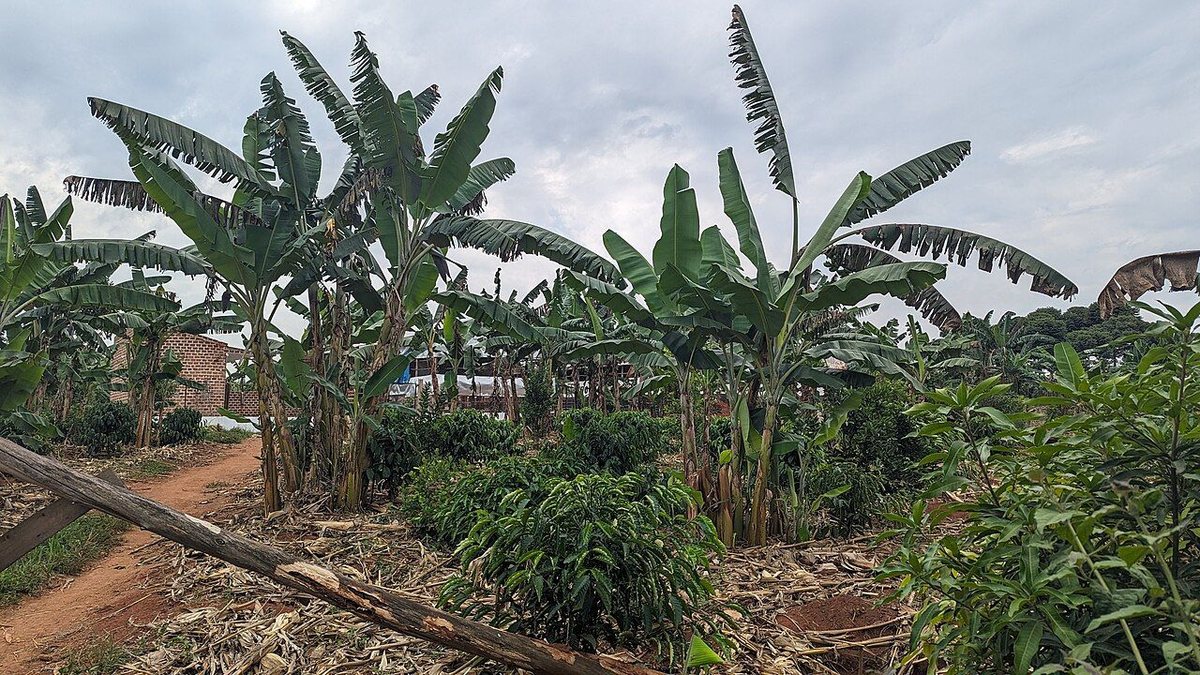
Bali Kintamani, Indonesia
Highland Balinese coffee grown under the Subak Abian system — clean, sweet, citrus-and-spice washed cups.
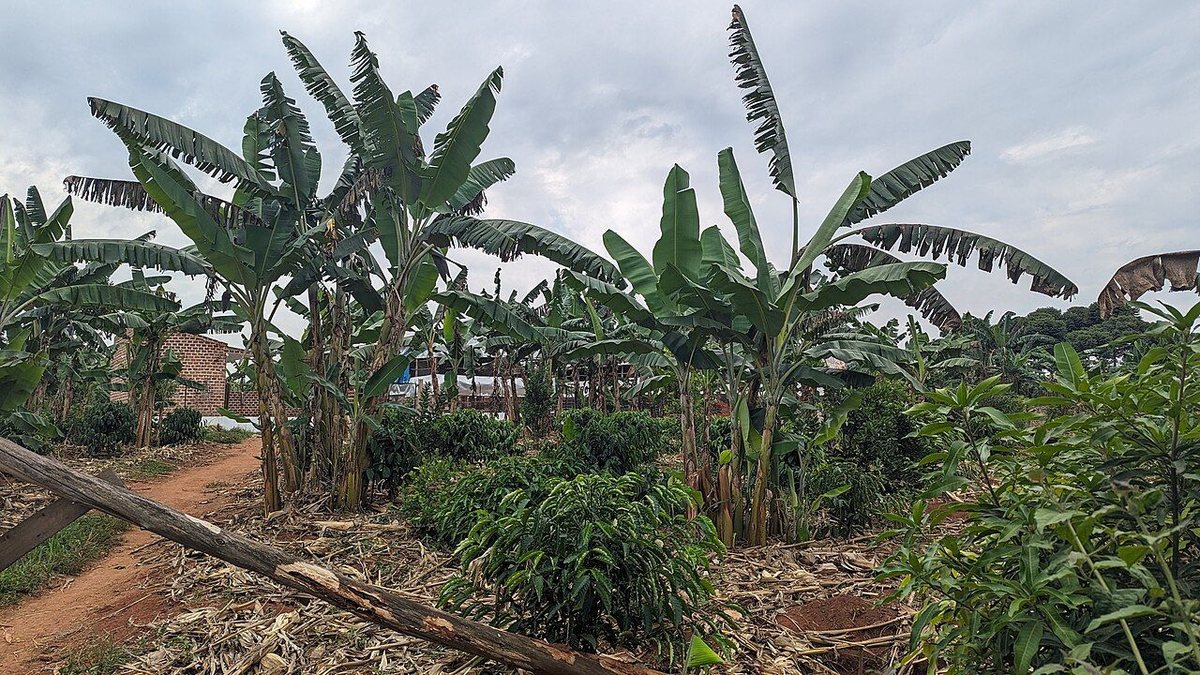
Java, Indonesia
The island whose name became a synonym for coffee — clean, heavy-bodied washed coffees from old colonial estates.
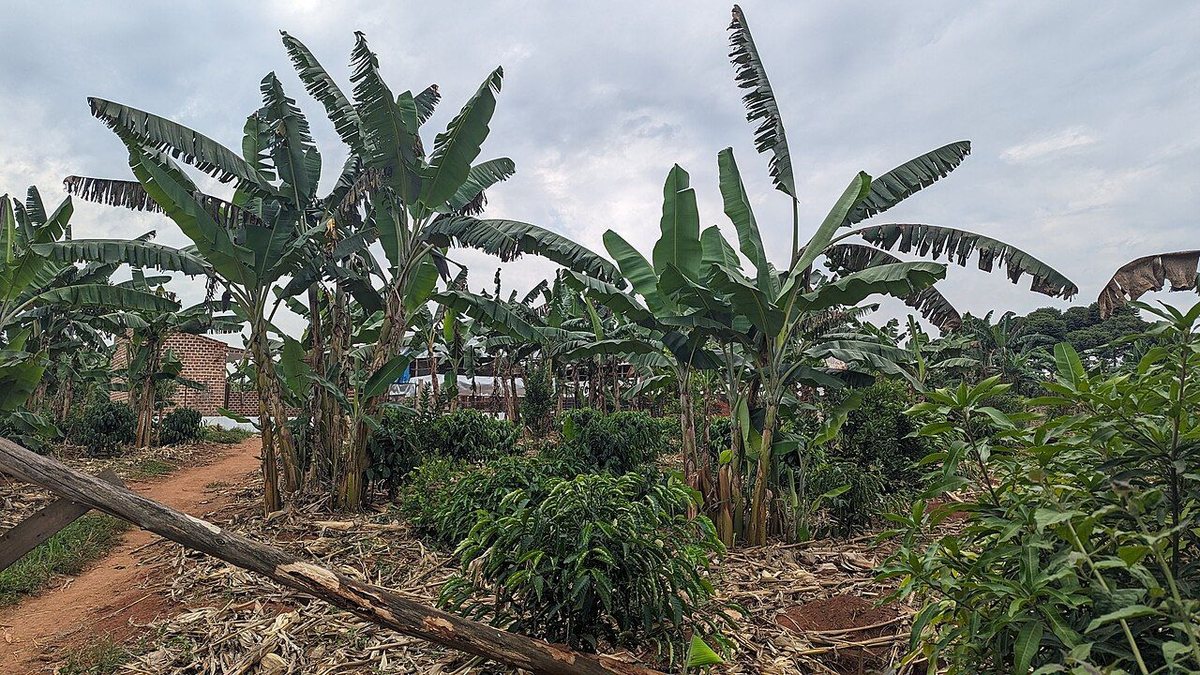
Sulawesi Toraja, Indonesia
Remote mountain coffee from Tana Toraja — full-bodied, low-acid, with dark chocolate, spice, and herbal depth.
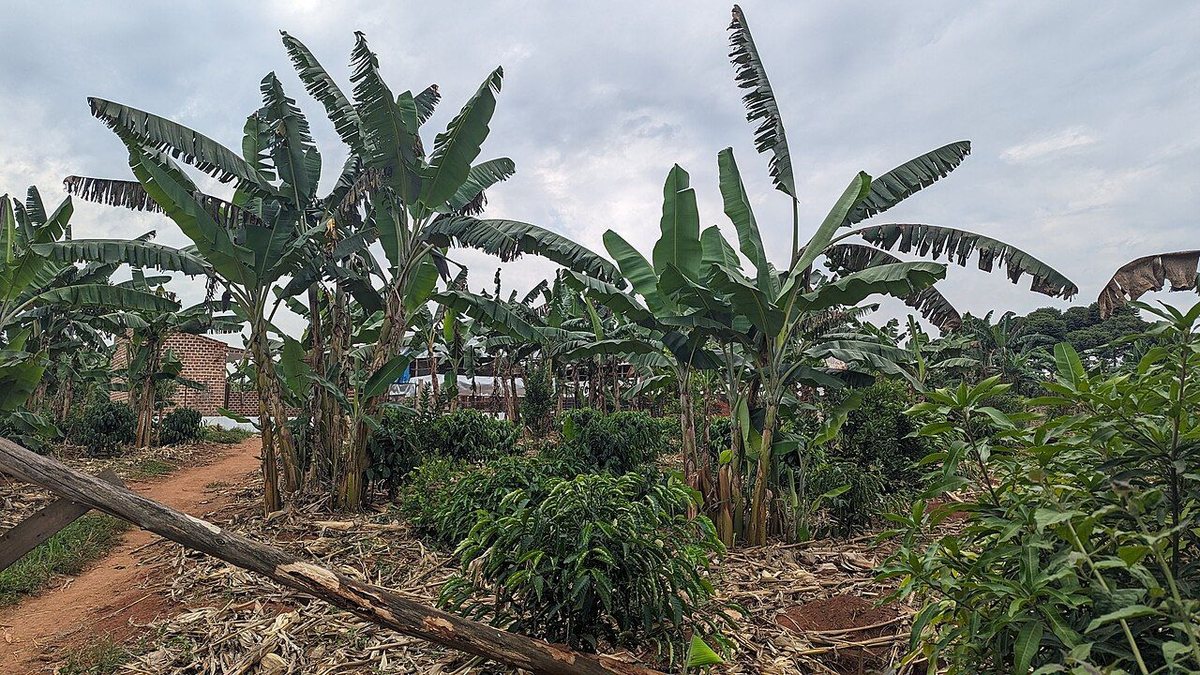
Sumatra Mandheling, Indonesia
Earthy, full-bodied, low-acid Sumatran coffee defined by the wet-hulled 'giling basah' process.
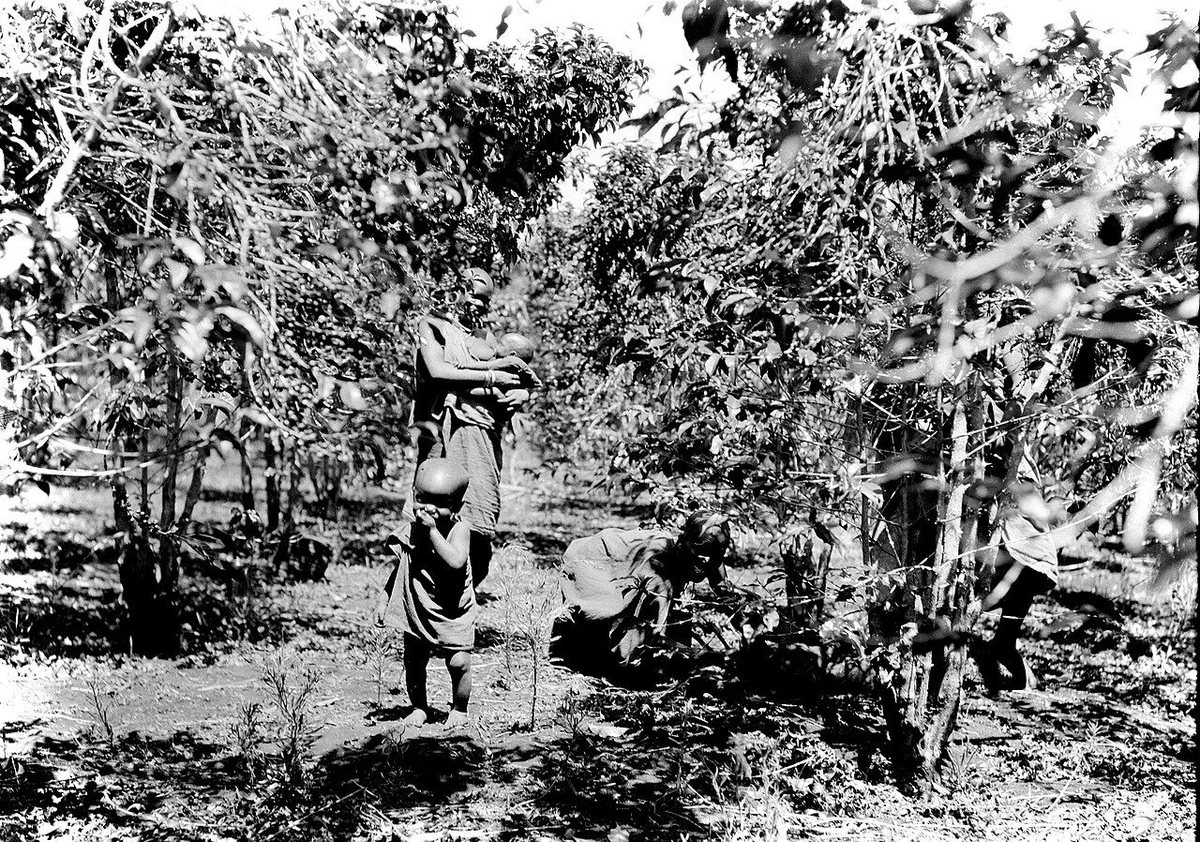
Kiambu, Kenya
Historic estate-growing county near Nairobi producing full-bodied, classically bright Kenyan coffee.
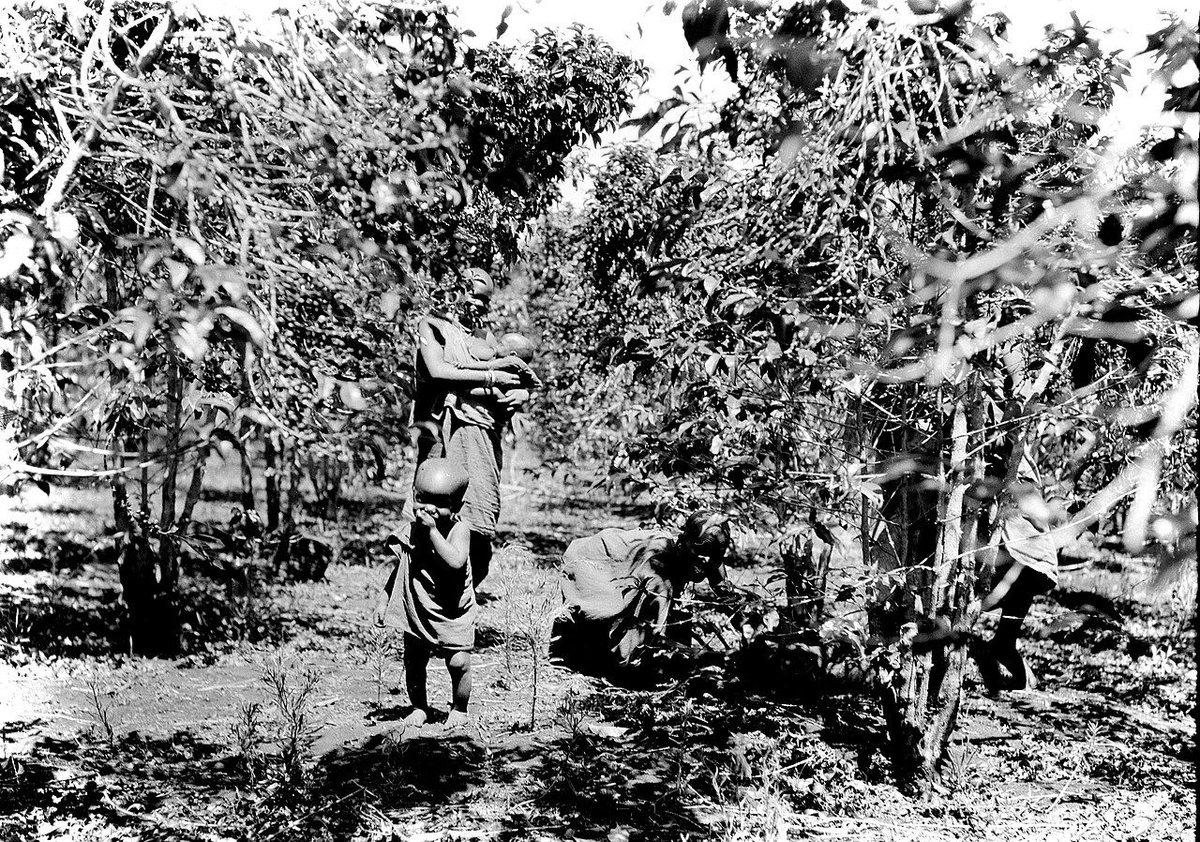
Kirinyaga, Kenya
Mount Kenya county famed for vibrant, sweet, berry-and-citrus washed coffees from celebrated factories.

Nyeri, Kenya
The classic Kenyan profile — blackcurrant, tomato, and grapefruit acidity from SL28 on red volcanic soil.
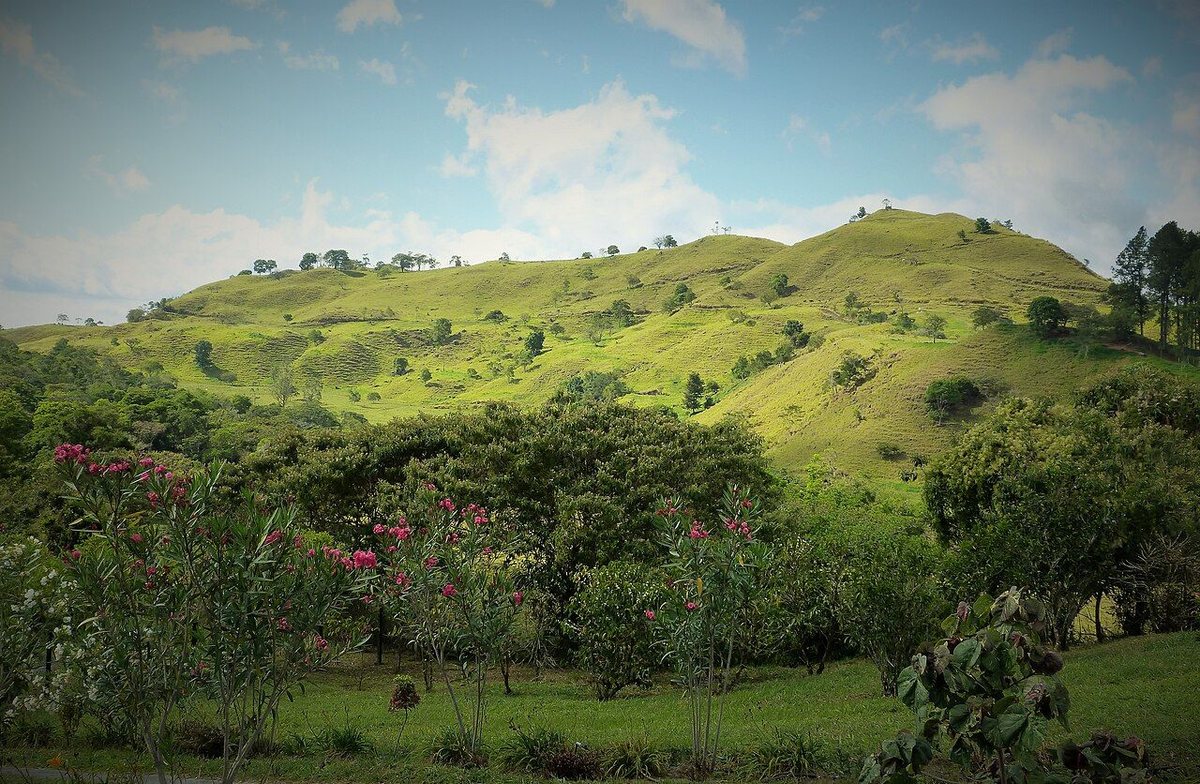
Boquete, Panama
The home of record-breaking Geisha — jasmine, bergamot, and tropical florals from the slopes of Volcán Barú.
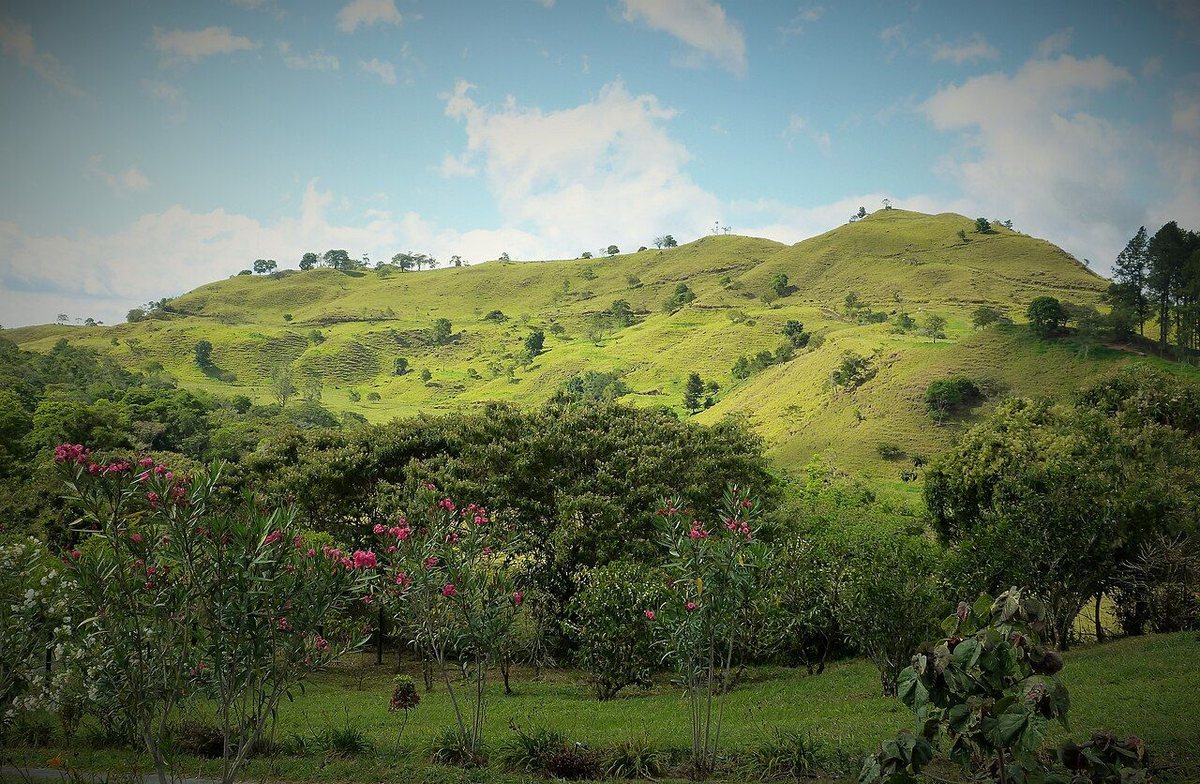
Volcán-Candela, Panama
Boquete's western counterpart on the other side of Volcán Barú, increasingly known for prize-winning Geisha.
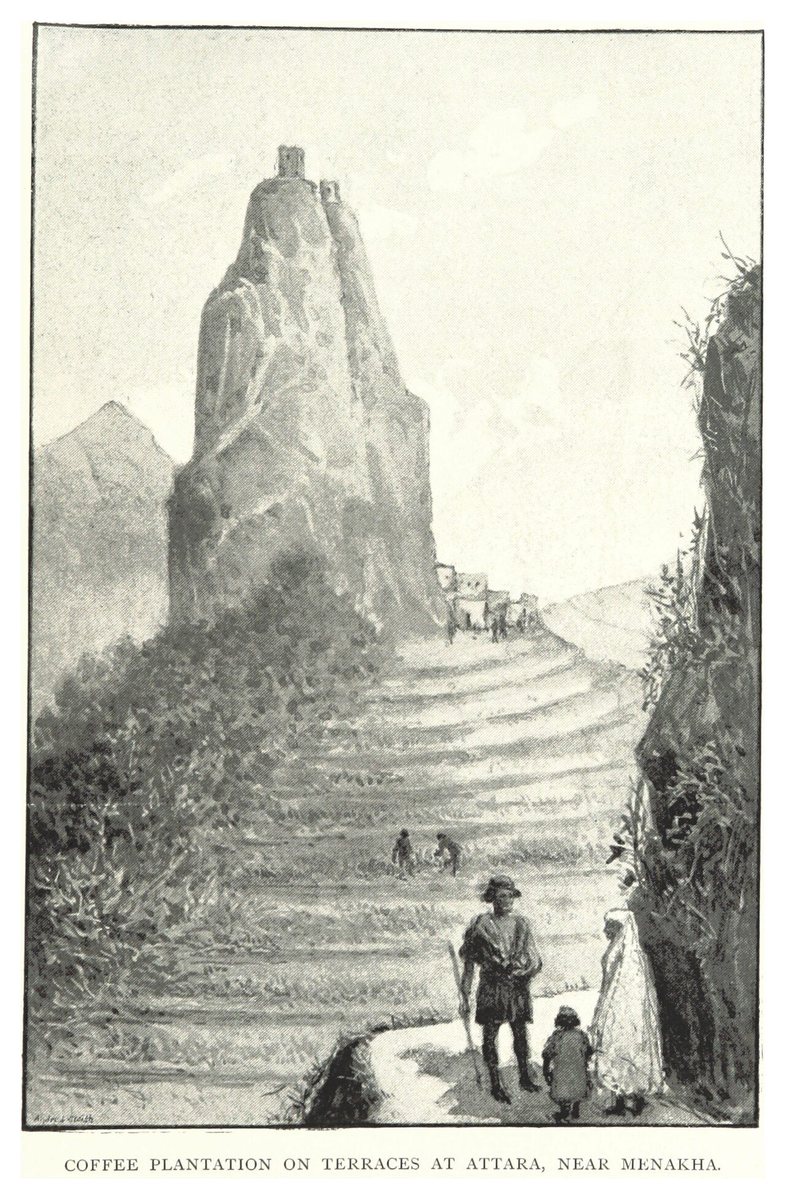
Bani Matar, Yemen
Ancient terraced highlands west of Sana'a producing wild, winey, deeply fruited dry-processed heirloom coffee.
See also