Knowledge · geography
Sumatra Mandheling, Indonesia
Indonesia growing region
Key facts
- Named for
- Mandailing people of North Sumatra
- Altitude
- 900–1,500 metres
- Key Process
- Wet-hulling (giling basah) method
- Typical Varieties
- Typica, Catimor, Ateng
- Flavor Profile
- Full body, low acidity, earthy and cedar notes
- Distinctive Feature
- Deep green-blue beans from high-moisture hulling
- Beans we stock
- 25 from Indonesia
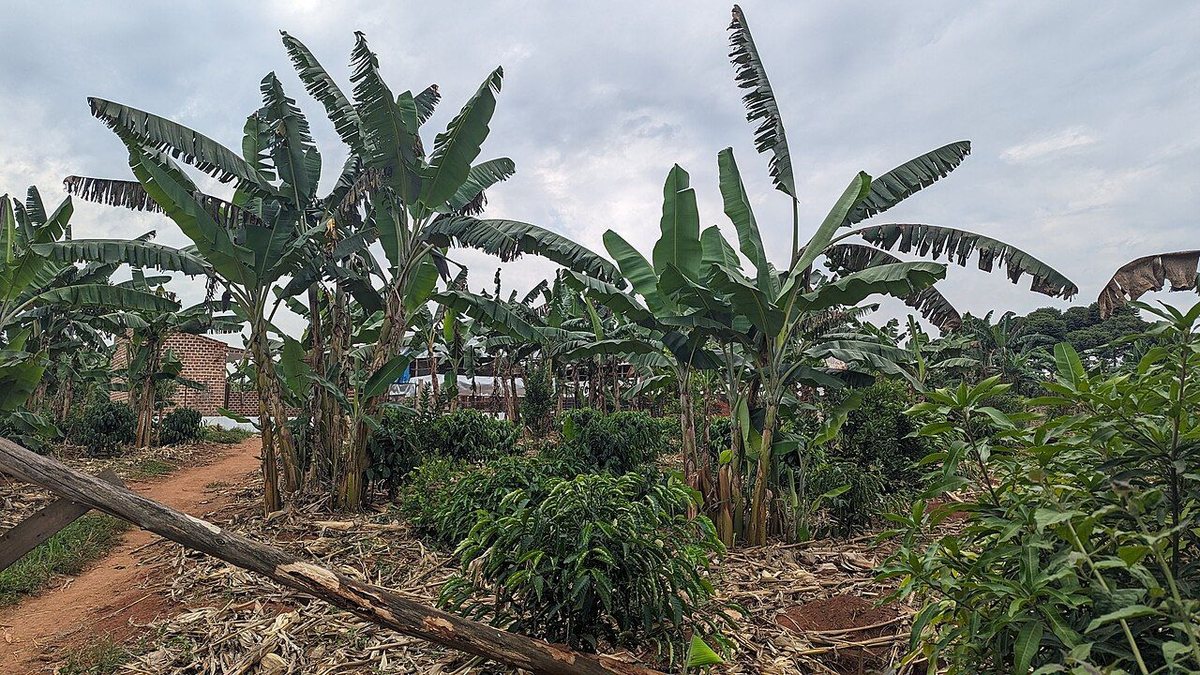
Mandheling — named for the Mandailing people of North Sumatra rather than a place — refers to the heavy-bodied coffees grown around Lake Toba and the Gayo and Lintong highlands between roughly 900 and 1,500 metres. Their hallmark is the regional wet-hulling method, 'giling basah,' in which parchment is removed at high moisture content, giving Sumatran coffee its characteristic deep green-blue beans and distinctive cup: full, syrupy body, very low acidity, and earthy, cedar, herbal, and dark-chocolate notes. Mostly Typica-descended landraces and rust-resistant Catimor/Ateng, grown by smallholders, Mandheling is one of the most recognisable and polarising flavour profiles in coffee.
At a glance
- Altitude: 900–1500 masl
- Typical varieties: Typica, Catimor, Ateng
- Common processes: Wet-hulled (Giling Basah)
- Harvest: 9, 10, 11, 12
Climate
Humid equatorial climate with year-round rainfall driving wet-hulled processing.
Soil & terroir
Fertile volcanic soils around Lake Toba.
See also