Knowledge · geography
Kaffa, Ethiopia
Ethiopia growing region
Key facts
- Location
- Ethiopia's humid southwest region
- Altitude
- 1,500–2,100 meters above sea level
- Significance
- Birthplace of Coffea arabica species
- Growing systems
- Garden and semi-forest smallholder systems
- Typical varieties
- Heirloom
- Flavor profile
- Earthy, herbal, lightly fruited
- Protected status
- UNESCO Kafa Biosphere Reserve since 2010
- Beans we stock
- 214 from Ethiopia
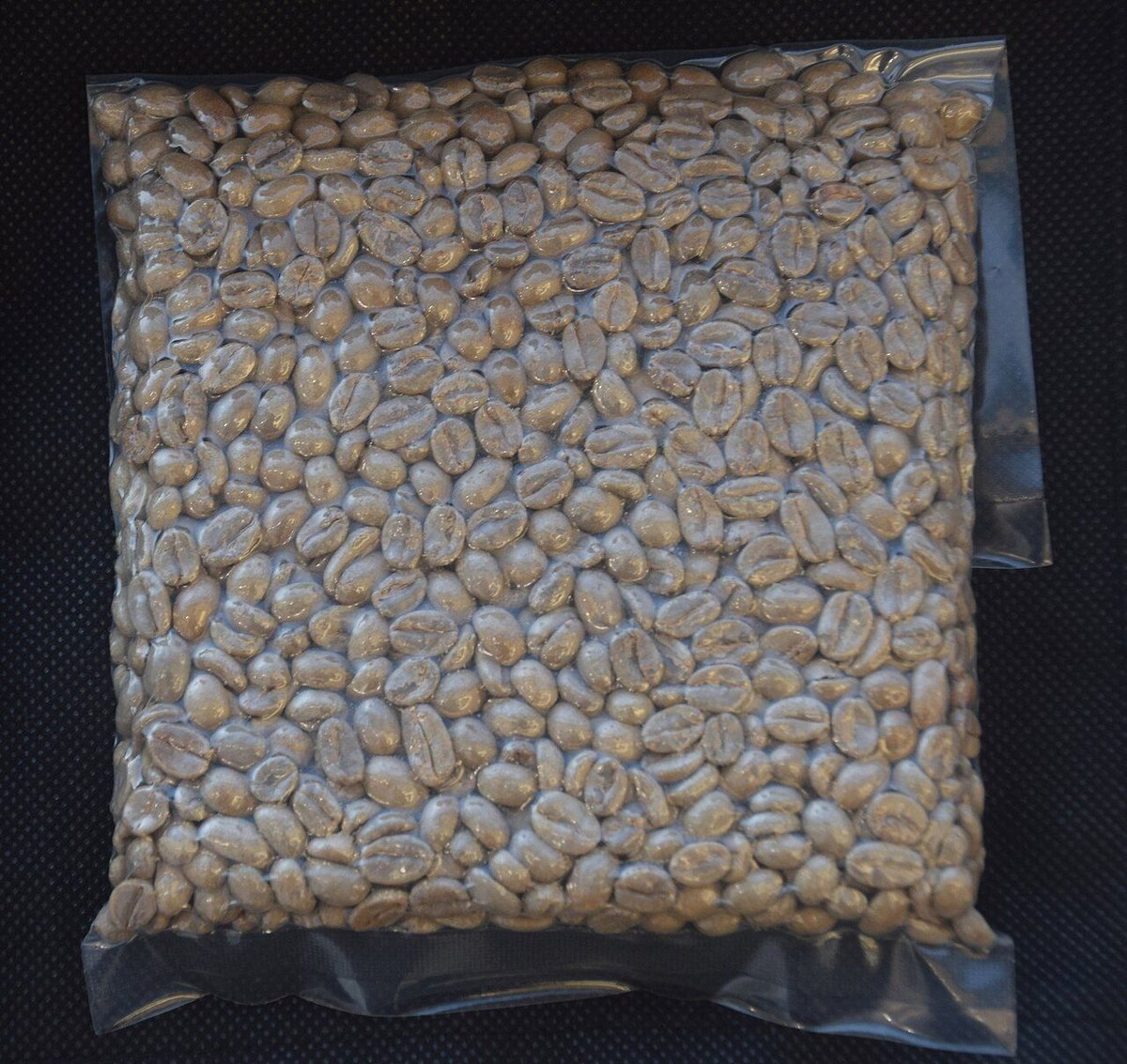
Kaffa, in Ethiopia's humid southwest, is the region from which Coffea arabica takes its name and is widely regarded as the plant's birthplace, where it still grows semi-wild beneath the montane rainforest canopy. The Kafa Biosphere Reserve, recognised by UNESCO in 2010, protects thousands of hectares of this wild genetic diversity — an irreplaceable reservoir for the species' future breeding and climate resilience. Coffee here is grown by smallholders in 'garden' and 'semi-forest' systems between about 1,500 and 2,100 metres, producing earthy, herbal, lightly fruited cups. Kaffa's primary importance is less a single flavour than its role as the living origin and gene bank of Arabica itself.
At a glance
- Altitude: 1500–2100 masl
- Typical varieties: Heirloom
- Common processes: Washed, Natural
- Harvest: 10, 11, 12, 1
Climate
Wet, forested montane climate supporting wild and semi-forest coffee systems.
Soil & terroir
Rich forest soils under dense canopy.
See also