Discover · By Flavor
Funky & Experimental Coffees: Anaerobic and Beyond
Boozy, tropical, and polarizing: your guide to the new wave of fermented and anaerobic coffees
Key facts
- Also called
- Fermented and anaerobic coffees
- Key process
- Sealed tank fermentation without oxygen
- Flavor notes
- Red wine, tropical fruit, boozy, cacao
- Related technique
- Carbonic maceration from winemaking
- Fermentation time
- 24 hours to several days
- Main debate
- Transparency and terroir expression
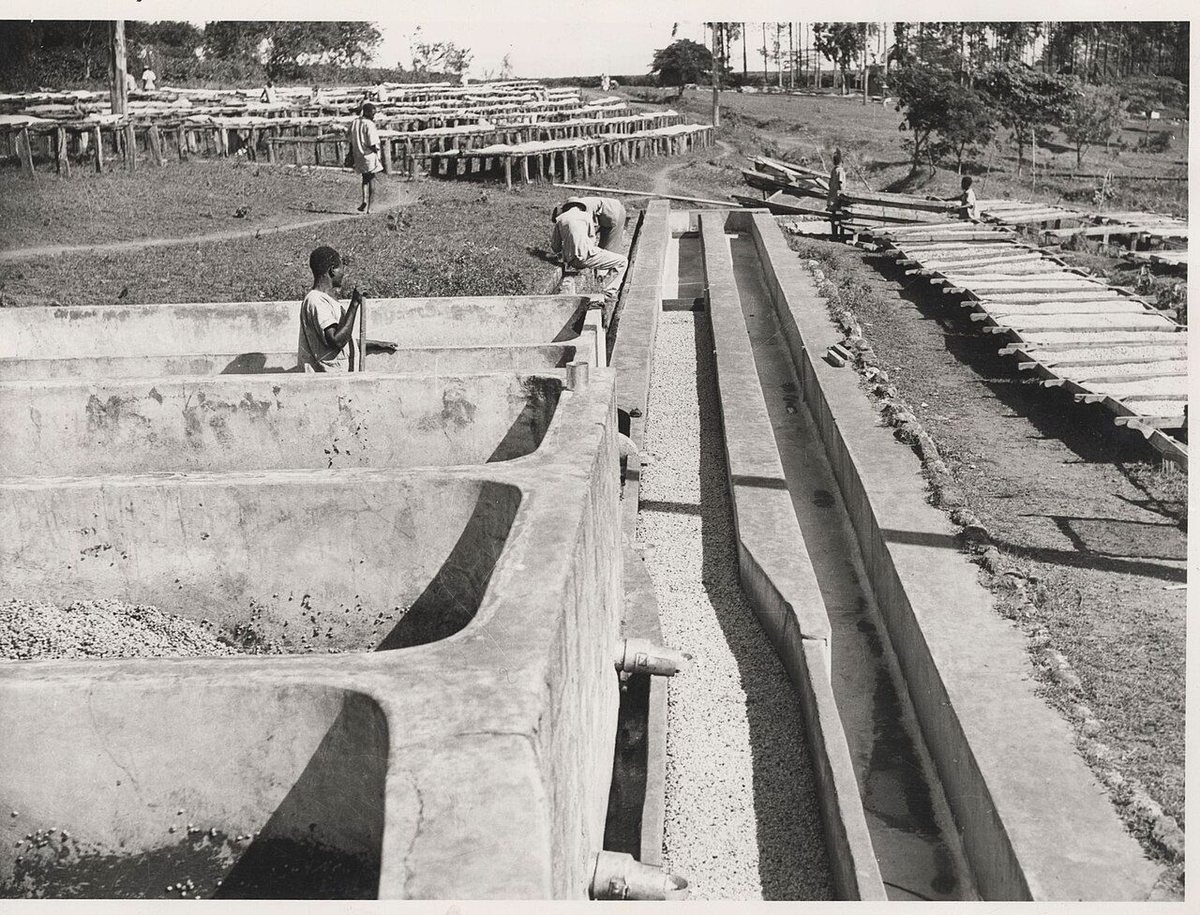
What Is Experimental Coffee Processing?
To understand why anaerobic and experimental coffees taste so different, you need to understand what processing actually does. As Wikipedia's overview of coffee production explains, "the method that is used to process coffee varies, and significantly affects the flavor of coffee once it is roasted and brewed." Every processing decision — how long the cherry ferments, what atmosphere surrounds the bean, what microbes are present — leaves a fingerprint on the final cup. Experimental processing takes those decisions to deliberate, creative extremes.
Conventional processing methods (washed, natural, honey) have existed for centuries, each working with ambient temperature, air, and naturally occurring microbes. Experimental processing, by contrast, applies deliberate environmental controls — sealed tanks, introduced cultures, carefully monitored temperatures — to steer fermentation outcomes in ways producers can partially predict and repeat.
How Anaerobic Fermentation Works
Anaerobic fermentation is the engine behind most of today's experimental lots. The process is exactly what it sounds like: fermentation in the absence of oxygen. Ripe coffee cherries (or depulped beans) are loaded into sealed, hermetic stainless steel tanks. As indigenous microbes begin breaking down the sugars in the mucilage, they release carbon dioxide. That CO₂ purges residual oxygen, creating a sealed anaerobic environment inside the tank.
The flavor impact is dramatic. Without oxygen, fermentation pathways shift. Lactic and acetic acid bacteria dominate alongside wild yeasts, producing compounds that read on the palate as red wine, rum, overripe tropical fruit, cacao, or even bubblegum — notes that would be considered defects in a classic washed Ethiopian but are the entire point of an anaerobic lot from, say, Colombia or Costa Rica.
Producers can further fine-tune the outcome by controlling fermentation temperature, duration (anywhere from 24 hours to several days), and whether the cherry is intact or depulped. Some add specific yeast strains or fruit juices to the tank — a practice that sharpens the debate around transparency, which we'll return to below.
Carbonic Maceration: Borrowed from the Wine World
One branch of experimental processing borrows directly from winemaking. Carbonic maceration, long associated with the Beaujolais region in France, involves fermenting whole fruit in a CO₂-rich, sealed environment before any crushing. As the wine literature documents, "an anaerobic environment is created by pumping carbon dioxide into a sealed container filled with whole grape clusters. The carbon dioxide gas permeates through the grape skins and begins to stimulate fermentation at an intracellular level" — meaning fermentation begins inside each intact berry.
The technique has been adapted for coffee: whole cherries are placed in hermetic tanks and left to undergo anaerobic fermentation, effectively mirroring what Beaujolais producers have done with Gamay grapes for decades. The resulting coffees often show a distinctive "poppy" brightness, lower bitterness, and an almost effervescent fruit quality — sometimes described as "drinking a fruit cocktail" compared to the earthier funk of longer open-air naturals.
Semi-carbonic maceration — a shorter carbonic period followed by conventional fermentation — is also used in coffee, paralleling its role in producing Beaujolais nouveau wines. These semi-carbonic lots tend to be slightly more restrained, with fruit-forward sweetness rather than the full boozy intensity of a long anaerobic.
Reading the Bag: What the Label Is Actually Telling You
Experimental processing creates its own vocabulary on coffee bags. Here's how to decode the most common terms:
- Anaerobic Natural: The whole cherry is fermented in a sealed, oxygen-free tank, then dried. Expect the most intense, fruit-saturated, and potentially boozy results.
- Anaerobic Washed: The cherry is fermented anaerobically, then the fruit is removed and the bean is washed and dried. More controlled than anaerobic natural — often showing tropical fruit and red wine notes without as much heavy ferment.
- Carbonic Maceration (CM): Whole cherries fermented in a CO₂-rich sealed environment, adapted from winemaking. Often described as producing lighter, more "sparkling" fruit character.
- Lactic Fermentation: The tank is managed to favor lactic acid bacteria, producing clean, yogurt-like, creamy sweetness rather than sharp acidity or heavy funk.
- Extended Fermentation: A broad term indicating a longer-than-standard fermentation window. Can apply to washed or natural coffees and signals more pronounced complexity — or risk.
- Experimental / Controlled Fermentation: Catch-all language indicating producer intervention beyond traditional methods. Inspect for specifics if you can.
Using The Coffee Taster's Flavor Wheel as a reference, these processing styles tend to cluster in the fermented, winey, and tropical fruit segments — the outer rings that were once associated primarily with processing defects, now reframed as intentional craft.
The Transparency Debate
Not everyone in specialty coffee is celebrating the experimental processing wave, and the criticism deserves honest treatment.
The core tension comes down to this: when a producer adds a specific commercial yeast strain, fruit juice, or other additive to a fermentation tank, is the resulting cup a true expression of that coffee's terroir — its origin, variety, and soil — or is it a flavored product wearing the specialty coffee label? Critics argue that aggressive intervention can mask defects, inflate cupping scores, and obscure what the actual cultivar tastes like. A geisha variety that has been through a 96-hour anaerobic process with added strawberry pulp will taste like strawberry; it might also taste extraordinary — but the question of what it expresses is legitimate.
Proponents counter that all processing is intervention. Washed coffees are the result of human choices about water temperature, fermentation duration, and drying conditions. Naturals are shaped by where and how long cherries sit in the sun. Anaerobic and carbonic maceration simply make those choices more explicit and precise. The parallel with winemaking is apt: no one argues that a Burgundy producer who controls fermentation temperature is deceiving the consumer.
Labeling is where the debate gets practical. If a bag says "anaerobic natural" but doesn't disclose that commercial yeasts or flavor additives were used, a buyer purchasing the coffee as an origin-expressive lot is working with incomplete information. Some roasters and producers — particularly those working closely with farms in Central America and Colombia — have begun voluntarily disclosing fermentation inputs on their bags or websites. This is widely viewed as the right direction even by enthusiasts who love the style.
For drinkers new to the category, the honest recommendation is to start with anaerobic washed and carbonic maceration lots before diving into anaerobic naturals. The former styles tend to preserve more of the underlying coffee's character while still delivering noticeable complexity. The latter can be transcendent or bewildering depending on your palate and expectations.
Who's Doing It Well: Roasters to Know
A handful of roasters have developed a reputation for sourcing and presenting experimental coffees with the kind of transparency and quality control that makes these wild lots trustworthy.
Onyx Coffee Lab (Rogers, Arkansas) has become one of the most recognized names in experimental processing in the United States. Known for meticulous sourcing documentation and a house aesthetic that leans toward the vivid and saturated, their anaerobic and carbonic maceration offerings are typically accompanied by detailed producer notes — making them a strong starting point for curious drinkers who want context alongside complexity.
Black & White Coffee Roasters (Durham, North Carolina) takes a notably precise approach to their experimental lots, per their own sourcing philosophy. Their catalog tends to feature both process-forward naturals and controlled fermentation lots with clear tasting note documentation, and they've been commended in the specialty community for presenting funky coffees without obscuring the underlying cup quality.
La Cabra (Aarhus, Denmark) represents the Scandinavian side of this conversation — a roasting tradition known for restraint and fruit clarity. La Cabra's approach to experimental lots is characteristically disciplined: when they feature an anaerobic or carbonic maceration coffee, it tends to push toward clarity and elegance rather than maximum ferment intensity. If you find straight anaerobic naturals overwhelming, a La Cabra experimental lot is often a more approachable entry point that still delivers genuine complexity.
What to Expect in the Cup — and How to Brew It
Experimental and anaerobic coffees reward attention to brewing parameters. Because fermentation-derived flavor compounds are often more volatile and soluble than those in washed coffees, they can tip quickly from vibrant to cloying or sharp.
General guidelines:
- Grind coarser than you think. These coffees are often more soluble than washed lots. A slightly coarser grind reduces the risk of over-extraction, which can amplify fermented flavors in unpleasant ways.
- Lower your brew temperature slightly — pulling back to around 90–92°C (194–198°F) from a standard 93–96°C can tame acidity and keep tropical fruit notes bright rather than boozy-sharp.
- Pour-over and AeroPress tend to flatter these coffees. The control they give over contact time and drawdown lets you highlight the clarity of fruit notes. Espresso is possible and can be spectacular, but the margin for error narrows.
- Taste them at different temperatures. Anaerobic coffees often transform dramatically as they cool. Notes that read as intense or alcoholic at 70°C can become beautifully clean stone fruit at 50°C.
- Don't chase the recipe you use for washed Ethiopians. These are different coffees and deserve different parameters.
Is Experimental Coffee Right for You?
The answer depends on what you want from a cup.
If you value origin transparency, terroir expression, and the clean, bright acidity of a well-processed washed coffee, experimental lots might occasionally feel like a distraction — interesting as a novelty but not where you want to spend every morning. That's a completely valid position.
If you're drawn to complexity, surprise, and the experience of tasting something that genuinely doesn't fit your existing coffee vocabulary, anaerobic and carbonic maceration coffees can be among the most exciting things in a specialty bag. The winey, tropical, and sometimes downright bizarre flavor profiles these methods create represent a genuine frontier — not a gimmick, when done with integrity and disclosed honestly.
The specialty coffee community is still working out the norms around labeling and disclosure for these methods, and that's worth watching. In the meantime, the best guidance is to trust roasters who tell you exactly what went into the tank.
Roasters featured
Frequently asked questions
- What does anaerobic coffee actually taste like?
- Anaerobic coffees are known for bold, fermented, and often fruit-forward flavor profiles — think red wine, rum, overripe mango, cacao, and tropical fruit. The intensity varies significantly depending on the specific process (anaerobic natural vs. anaerobic washed) and the producer's approach. They're generally much more saturated and complex than washed coffees.
- Is anaerobic coffee the same as natural processed coffee?
- Not exactly. Natural coffees are dried with the whole cherry intact, which allows fermentation to occur aerobically over days or weeks. Anaerobic coffees are fermented in sealed, oxygen-free tanks, which changes the microbial activity and flavor compounds produced. An anaerobic natural combines both — sealed-tank fermentation followed by drying with the fruit on — producing the most intense results.
- What is carbonic maceration in coffee?
- Carbonic maceration is a technique borrowed from winemaking (most famously used in Beaujolais) where whole fruit is fermented in a sealed, CO₂-rich environment. Applied to coffee, whole cherries are placed in hermetic tanks and undergo intracellular fermentation before drying or washing. The results often show lighter, more effervescent fruit character compared to longer anaerobic processes.
- Are coffees with added yeasts or flavors considered specialty coffee?
- This is an active debate in the specialty community. Some producers add commercial yeast strains or fruit to fermentation tanks to steer flavor development; others rely solely on indigenous microbes. Critics argue this can obscure terroir; proponents argue all processing involves human choices. The clearest guidance is to look for roasters who disclose their fermentation inputs transparently on the bag or their website.
- How should I brew anaerobic and experimental coffees?
- These coffees tend to be more soluble than washed lots, so a slightly coarser grind and a modest reduction in brew temperature (around 90–92°C rather than 95°C) often works well. Pour-over and AeroPress give you the most control. Taste them as they cool — flavors in anaerobic coffees often shift dramatically and become more nuanced at lower temperatures.
- Which roasters are good entry points for experimental coffees?
- Onyx Coffee Lab, Black & White Coffee Roasters, and La Cabra are all strong entry points available in our shop. La Cabra's Scandinavian-influenced approach tends to be more restrained and approachable if you're new to the category; Onyx and Black & White lean into complexity with detailed sourcing documentation to help you understand what you're tasting.
See also