Knowledge · process
Washed (Wet) Processing
A complete guide to pulping, fermentation, washing channels, parchment drying, flavor outcomes, and environmental considerations
Key facts
- Also called
- Wet process
- Main purpose
- Remove fruit before drying the seed
- Key characteristic
- Reflects bean genetics and terroir with clarity
- Fermentation duration
- Typically 8 to 36 hours
- Mucilage removal
- Microorganisms break down pectin and cellulose
- Completion test
- Parchment feels rougher and pebbly
- In our catalog
- 770 washed-process coffees
What Is Washed Processing?
Washed processing — also called the wet process — is a post-harvest method in which the fruit covering of the coffee cherry is removed before the seed is dried. As noted in coffee production literature, coffee processed by this method is formally described as "wet processed or washed coffee," and it requires specific equipment and substantial quantities of water. The approach contrasts with natural (dry) processing, where the whole cherry is dried intact, and with honey and pulped-natural methods, which occupy a middle ground.
The core logic of washed processing is isolating the seed — the coffee bean — from the sugary, microbially active fruit environment as quickly as possible. The result is a cup that reflects the bean's genetic and terroir characteristics with unusual clarity, which is why the method has historically dominated in Central America, East Africa, and parts of South America. Understanding it fully means tracing each mechanical and biological step from the freshly harvested cherry to the dried parchment coffee ready for export.
For a broader orientation to all processing styles, see Coffee Processing.
Step 1 — Sorting and Flotation
Before any pulping occurs, harvested cherries pass through a flotation tank (commonly called a floater). The principle is straightforward: ripe, dense cherries sink, while underdeveloped, overripe, or damaged fruit floats. This initial sort is critical because washed processing is unusually sensitive to cherry quality — any defective material carried forward will produce off-flavors that cannot be masked by residual sweetness, as they might in a natural process.
Selective, hand-picking of ripe cherries is closely associated with washed lots, particularly for premium arabica. Producers specifically instruct pickers to select only cherries at peak ripeness, because starting material largely determines fermentation behavior and final cup quality.
Step 2 — Pulping
Pulping is the mechanical removal of the cherry's outer skin and the bulk of the fleshy pulp layer. A pulping machine presses the cherries against a screen or drum, separating the skin and much of the soft fruit from the slippery, parchment-covered seeds. After pulping, the seeds still carry a significant amount of mucilage — a dense, sticky, carbohydrate-rich layer that clings to the parchment and cannot be removed by the pulper alone.
Two main routes exist for tackling this remaining mucilage:
- Ferment-and-wash — the traditional and most common specialty approach, described in detail below.
- Mechanical demucilaging (also called aquapulping or machine-assisted wet processing) — a newer method that uses friction-based machines to strip mucilage without fermentation, reducing water use and processing time.
For the purposes of this article, "washed processing" refers primarily to the ferment-and-wash route, as it is the approach most closely associated with specialty coffee flavor development.
Step 3 — Fermentation
Fermentation is the biochemical heart of washed processing. After pulping, the mucilage-covered beans are transferred to fermentation tanks — typically concrete, tile, or food-grade plastic vessels — where naturally occurring microorganisms (bacteria and wild yeasts) begin breaking down the pectin and cellulose of the mucilage layer through enzymatic activity.
Duration and Variables
Fermentation time is one of the most closely managed variables on any quality-focused wet mill. According to established processing literature, mucilage removal through fermentation typically takes between 8 and 36 hours for most coffees, though times can extend considerably depending on conditions. The range is driven by several interacting factors:
- Temperature — warmer ambient temperatures accelerate microbial activity; high-altitude stations in Ethiopia or Colombia may ferment more slowly than low-altitude equivalents.
- Thickness of the mucilage layer — varies by variety and ripeness.
- Concentration of native enzymes — influenced by terroir, cherry health, and water quality.
Some producers cite fermentation windows as wide as 12 to 72 hours when accounting for the full range of origins, altitudes, and ambient conditions encountered globally. Dry fermentation — where beans ferment in their own juices without added water — tends to be more concentrated and may proceed differently from fully submerged wet fermentation.
The Role of Microbes and Water
The microbial community responsible for mucilage breakdown is dominated by lactic acid bacteria and wild yeasts native to the processing environment. These organisms produce acids, alcohols, and carbon dioxide as metabolic by-products. In a well-managed fermentation, these compounds loosen the mucilage without penetrating the parchment to alter the seed's chemistry in undesirable ways. Water acts as both a medium for microbial activity and a temperature buffer; in wet fermentation tanks, it helps distribute organisms evenly across the bean mass.
The relationship between fermentation microbiology and cup character is an active area of interest. Controlled inoculation with specific yeast or bacterial strains is an emerging practice more closely associated with anaerobic fermentation and experimental processing methods, but even in conventional washed processing, the native microbial ecology of a given mill is understood to contribute to the consistent character of its lots year to year.
Assessing Completion
Professional mill operators do not rely on a timer alone. The standard field test is tactile: fermentation is complete when the parchment loses its slippery mucilage coating and acquires a rougher, "pebbly" or "gritty" texture when rubbed between the fingers. Experienced mill managers describe this as a clean "squeaky" resistance. Under-fermentation leaves residual mucilage that dries onto the parchment, potentially causing sweetness imbalance or processing defects. Over-fermentation — discussed in the defects section below — is the more feared outcome.
Step 4 — Washing Channels
Once fermentation is complete, the beans are transferred to washing channels — long, sloped concrete or tiled raceways through which clean water flows continuously. The combination of water flow, bean buoyancy, and the agitation of rakers or workers stirring the mass physically carries away the loosened mucilage and fermentation by-products.
In a single-wash system, one pass through the channel is sufficient to achieve clean parchment. In the Kenya double-washed (also called Kenya washed or double-fermentation) method, beans undergo a second, shorter fermentation period after the initial wash before a final washing pass. This additional step — a hallmark of many Kenyan wet factories — is associated with the pronounced, bright, complex acidity and clean berry characteristics that define top Kenya lots. The double-wash process is more water-intensive but is valued by producers chasing maximum clarity and complexity.
Density sorting can also occur during washing: lighter, lower-density beans float and are separated out, allowing further grading by quality in the same physical step.
Step 5 — Drying Parchment Coffee
After washing, the beans — now encased in their cream-colored parchment (the endocarp) and carrying a moisture content that may be 50% or higher — must be dried to a stable level, commonly cited as approximately 10–12% moisture content, before milling and export.
Parchment drying is a critical quality stage. For a full treatment of drying variables, methods, and defect risks, see Drying Coffee. In summary:
- Raised bed drying (African beds) allows air circulation above and below the bean mass and is strongly preferred for specialty lots. Workers turn the parchment regularly to ensure even drying.
- Patio (concrete or brick) drying is common where raised beds are impractical; it requires more frequent turning and greater vigilance against case-hardening.
- Mechanical drying in drum driers is sometimes used to bring moisture down to a target level or to address wet-season constraints, but excessive heat can introduce baked or flat flavors.
Drying too quickly causes case-hardening — where the outer parchment seals before internal moisture has fully migrated — leading to a bean with uneven moisture distribution and increased cracking risk. Drying too slowly invites mold and fermentation restart. The goal is a slow, even reduction over days to weeks depending on ambient conditions.
Flavor Profile of Washed Coffee
Washed processing produces a flavor profile that is widely described in the specialty industry as clean, bright, and transparent. Because the fruit is removed before drying, little to no fruit-derived sugars migrate into the seed during processing; the cup therefore reflects the bean's origin character — its varietal genetics, soil, and altitude — with minimum processing interference.
Key flavor characteristics associated with washed coffees include:
- High, well-defined acidity — citric and malic acid structures are common; can present as lemon, bergamot, green apple, or stone fruit depending on origin.
- Clean cup — low levels of fermentation-derived off-notes; clarity of individual flavor descriptors.
- Transparency — varietal and terroir character is unusually legible to the taster; a skilled cupper can often distinguish origin and altitude through acidity structure and aromatic register.
- Medium to lighter body — compared with naturals; mouthfeel tends toward juicy or tea-like rather than heavy or syrupy.
- Delicate sweetness — subtler than honey or natural process; often expressed as floral or citrus-adjacent rather than jammy.
This profile makes washed coffees the standard reference point for origin evaluation at the cupping table, and the default processing method in most Q-grading and competition contexts.
Washed Coffee by Origin
Ethiopia
Ethiopia is widely regarded as the spiritual home of washed arabica. The high-altitude washing stations of the Yirgacheffe, Sidama, and Guji zones produce some of the most celebrated washed lots in the world, characterized by delicate floral aromatics — jasmine and bergamot are hallmarks — and a bright, tea-like citrus acidity. Ethiopian heirloom varieties, processed through communal washing stations that receive cherry from hundreds of small-holder farmers, produce a collective terroir character that is difficult to replicate elsewhere.
For a concrete example of this profile, the Ethiopia Habtamu Fikadu (Heart Coffee Roasters) and Ethiopia Gerba Dogo Sodu (Heart Coffee Roasters) represent the kind of transparency and floral complexity that washed Ethiopian processing enables at its best.
Kenya
Kenya's wet-milling infrastructure, built around cooperative factories, has long produced a style defined by the double-washed method described above. Kenyan SL28 and SL34 varieties are known for a distinctive black-currant and tomato-adjacent acidity with a heavy, wine-like body — a combination that speaks both to varietal genetics and to the precision of the double-wash protocol.
Colombia
Colombia's washed tradition reflects its geography: the country's two annual flowering and harvest cycles (a main harvest roughly April to June and a smaller crop in November to December) mean that many mills process coffee year-round. The washed method dominates Colombian specialty production, producing the balanced acidity, caramel sweetness, and medium body profile that has made Colombia the archetype of accessible specialty coffee. Varieties including Castillo, Caturra, and the prized Pink Bourbon and Gesha are commonly processed washed to preserve their distinct character.
The Colombia Doña Martha Gesha (Onyx Coffee Lab) and Colombia Juan Jimenez Pink Bourbon (Onyx Coffee Lab) illustrate how Colombia's washed tradition handles prized varieties — allowing the genetics to speak clearly through the cup.
Other Washed Origins
Central American producing countries — Guatemala, Honduras, El Salvador, Costa Rica — have historically practiced washed processing almost exclusively and are associated with its clean, balanced archetype. Yemen and parts of India also produce washed lots, though these are less common globally.
Water Use and Environmental Concerns
The chief environmental critique of washed processing is its substantial demand for clean water and its generation of wastewater with high organic load. The fermentation and washing stages consume significant volumes of water; processing literature is explicit that the wastewater produced — sometimes called coffee effluent or pulping water — contains concentrated organic matter and must be prevented from entering freshwater supplies.
Untreated coffee effluent released into rivers and streams can cause serious ecological damage: the high biochemical oxygen demand (BOD) of the organic matter depletes dissolved oxygen, harming aquatic life. This has been a documented issue in producing regions with dense wet-mill infrastructure.
Responsible mills employ several mitigation approaches:
- Settling and evaporation ponds — effluent is channeled into a series of ponds that allow solids to settle and organic load to reduce before discharge.
- Composting — coffee pulp and mucilage removed during processing are composted and returned to fields as organic fertilizer.
- Recirculation systems — washing water is recycled within the mill to reduce total consumption.
- Mechanical demucilaging — as noted, machine-based methods can dramatically reduce water consumption compared with the ferment-and-wash approach, a significant advantage in water-stressed regions.
Water stewardship is increasingly a factor in specialty sourcing decisions, with certifications and direct-trade relationships often including wet-mill environmental audits.
Processing Defects — Over-Fermentation and Beyond
Washed processing, despite its reputation for clean cups, is vulnerable to a specific set of defects when fermentation or drying is poorly managed.
Over-Fermentation
Over-fermentation is the most feared defect in washed processing and results from fermentation running beyond the point of complete mucilage removal. When microbial activity continues unchecked, volatile acids and alcohols penetrate the parchment and begin altering the seed itself. The result in the cup is a sharp, vinegary, or "winey" sourness — sometimes described as barnyard, rotting fruit, or acetic acid — that is distinct from the desirable brightness of a well-fermented washed coffee.
Over-fermentation risk increases with:
- High ambient temperatures accelerating microbial activity beyond the operator's observation window.
- Delays in moving beans from the fermentation tank after the parchment test indicates completion.
- Inconsistent cherry ripeness creating uneven fermentation rates within the same batch.
Under-Fermentation and Residual Mucilage
The opposite failure — removing beans from the tank too early — leaves mucilage attached to the parchment. This can create "gummy" parchment that dries unevenly, potentially producing a cup with an unusual, candy-like sweetness or fermentation-adjacent off-notes that differ from a deliberately produced honey process.
Drying-Stage Defects
- Mold from insufficient airflow or prolonged damp conditions.
- Faded or bleached beans from excessive direct sun exposure on drying patios.
- Uneven moisture from insufficient turning or case-hardening, leading to cracking at the mill and increased broken/chipped bean counts.
Fermenting and drying stages both require close, experienced management — a fact that underscores why high-quality washed coffee commands a premium and why producing-country expertise is a key differentiator among specialty lots.
Washed Processing in Context
Washed processing remains the global benchmark for specialty coffee evaluation precisely because it minimizes processing variables that might otherwise confuse origin assessment. Its dominance in professional cupping and competition contexts reflects an industry consensus that clean, transparent flavor expression is the clearest lens through which terroir, variety, and agronomic quality can be judged.
Yet the method is neither static nor universal. Producers exploring more expressive or experimental outcomes may layer in controlled-environment fermentation, extended maceration, or other modifications — approaches covered in anaerobic fermentation and experimental processing. And the environmental pressures associated with water use are pushing innovation toward lower-water variants of the washed method even within the specialty sector.
Understanding the full washed process — from flotation tank to raised drying bed — provides an essential foundation for anyone seeking to understand why coffee tastes the way it does.
Coffees demonstrating this
From our catalog of in-stock beans.
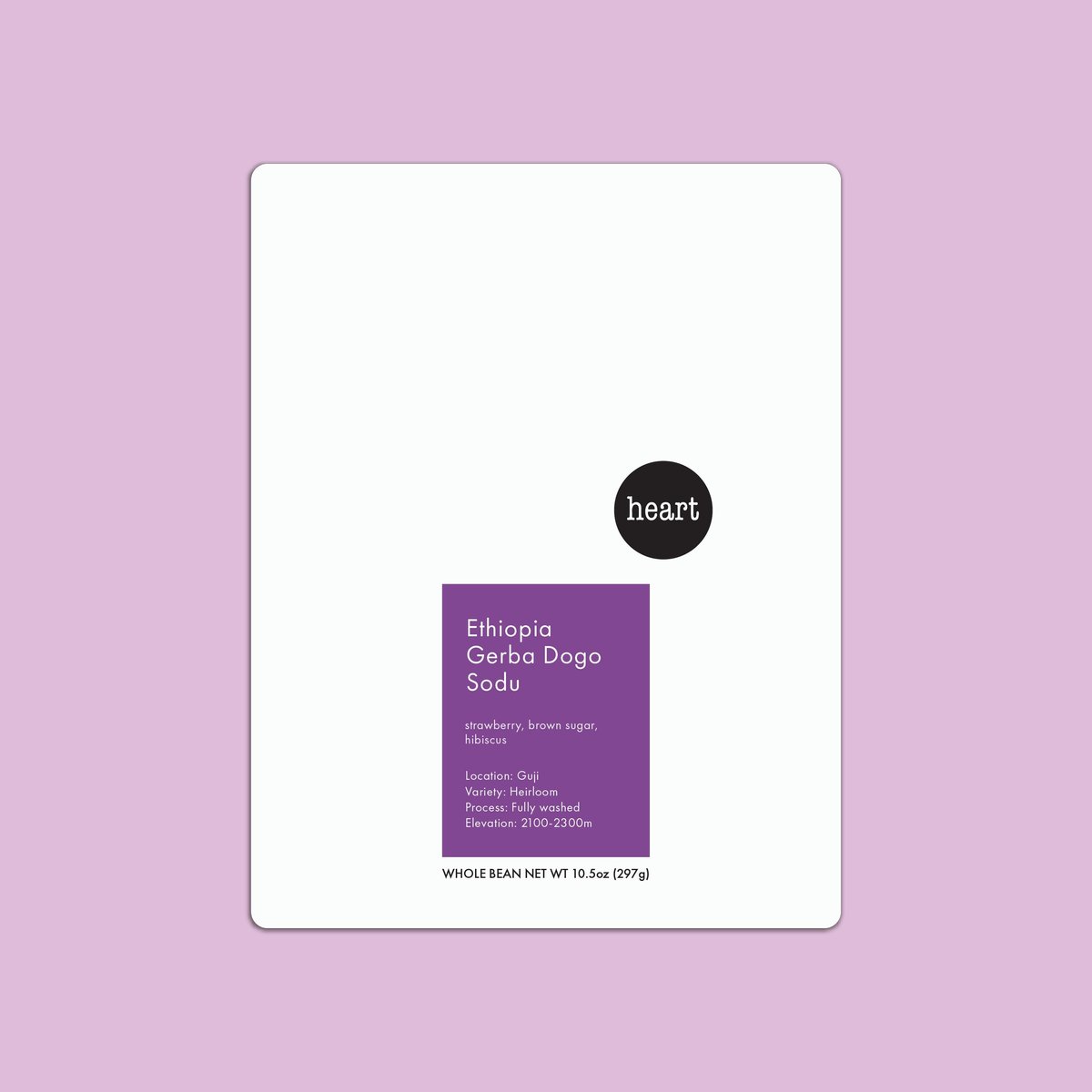
Ethiopia · Fully washed
Ethiopia Gerba Dogo Sodu
Heart Coffee Roasters · $29
Single-origin Ethiopian Heirloom from Guji at high altitude, fully washed.
View
Colombia · Washed
Colombia Juan Jimenez Pink Bourbon - Cafe Only
Onyx Coffee Lab · $70
Colombian Pink Bourbon microlot with structured acidity and citrus character.
Colombia · Anaerobic Washed
Colombia Doña Martha Gesha
Onyx Coffee Lab · $30
Modern Colombian Geisha with refined florals and elegant structure from El Diviso.
Frequently asked questions
- How long does fermentation take in washed coffee processing?
- For most coffees, fermentation to break down mucilage takes between 8 and 36 hours. Depending on ambient temperature, mucilage thickness, and enzyme concentration, times can extend to 72 hours or more. Operators assess completion by feel: the parchment should lose its slippery texture and acquire a rougher, pebbly surface.
- What does washed coffee taste like compared to natural processed coffee?
- Washed coffees are generally characterized by clean, high acidity, lighter to medium body, and transparent flavor expression — meaning the origin, variety, and terroir character come through clearly. Natural processed coffees, by contrast, tend to be heavier-bodied, fruitier, and more fermentation-forward. Washed is the benchmark for assessing a coffee's intrinsic character.
- Why does washed processing use so much water?
- Water is used in flotation sorting, the fermentation tanks (for wet fermentation), and extensively in the washing channels that remove loosened mucilage after fermentation. The process generates high-organic-load wastewater (coffee effluent) that requires responsible disposal through settling ponds or composting to avoid environmental harm.
- What is over-fermentation and how can you detect it in the cup?
- Over-fermentation occurs when fermentation continues past the point of complete mucilage breakdown, allowing volatile acids and alcohols to penetrate the seed. In the cup it manifests as sharp vinegary sourness, acetic or barnyard notes, or rotting-fruit flavors — distinct from the desirable bright acidity of a well-processed washed coffee.
- What is Kenya double-washed coffee?
- Kenya's double-washed method involves a second, shorter fermentation period after an initial wash, followed by a final washing pass. This additional step is associated with the pronounced, bright, complex acidity and clean berry character typical of top Kenyan lots, though it requires more water than a single-wash process.
- Is washed processing better than natural or honey processing?
- Not inherently — the methods serve different goals. Washed processing maximizes clarity, acidity, and origin transparency, making it the professional standard for origin evaluation. Natural processing emphasizes body and fruit-forward sweetness. Honey processing occupies a middle ground. The "best" method depends on the variety, origin, market, and the flavor profile a producer or roaster is aiming for.
See also