Knowledge · process
Honey & Pulped-Natural Processing
Pulped with purpose: how retained mucilage shapes sweetness, body, and acidity across a spectrum from white to black honey.
Key facts
- Also called
- Pulped-natural processing
- Origin
- Brazil, refined in Costa Rica
- Key technique
- Retaining mucilage during drying
- Flavor spectrum
- White honey to black honey
- Mucilage retention
- 50-100% depending on style
- Drying duration
- Varies from days to three weeks
- In our catalog
- 72 honey-process coffees
What Is Honey Processing?
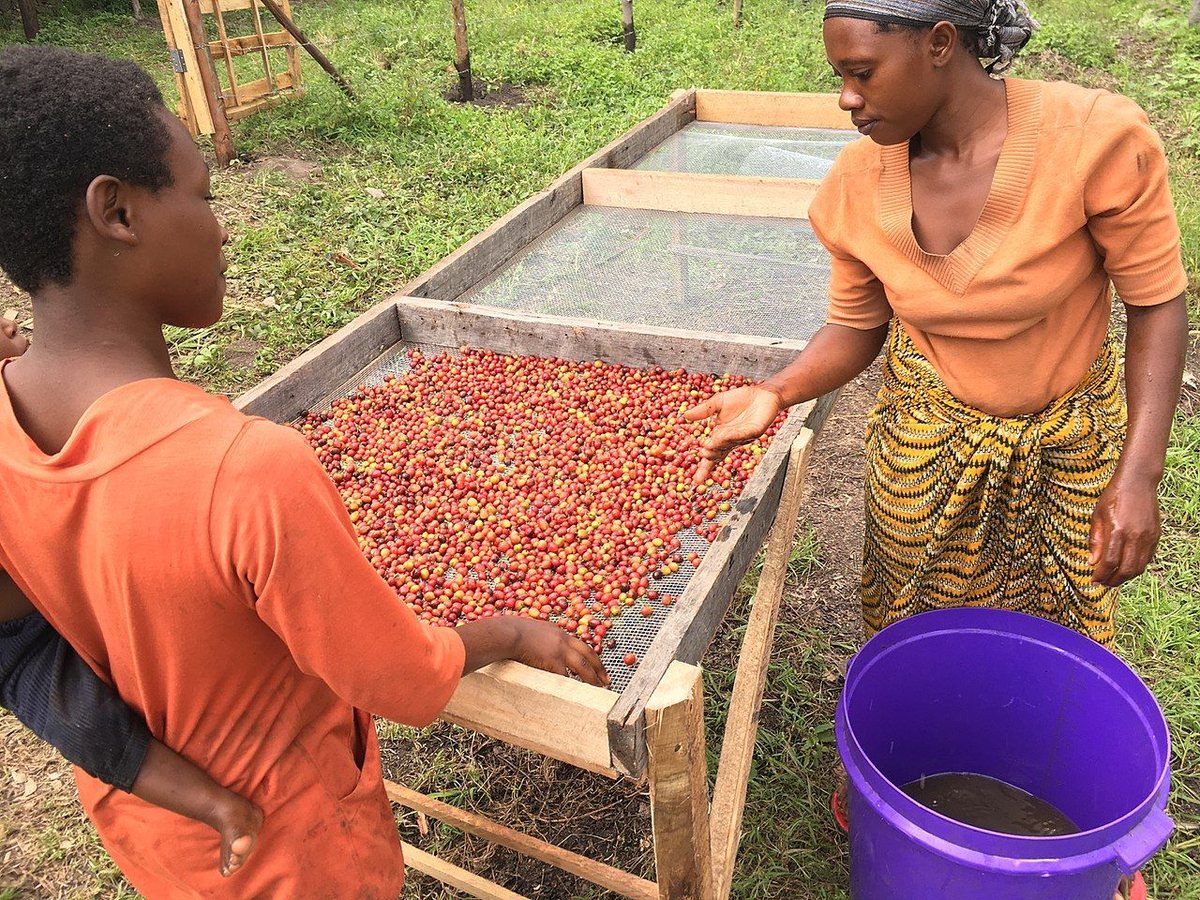
Honey processing (also called pulped-natural processing in Brazil, where the method has deep roots) is a post-harvest technique in which the outer skin of the coffee cherry is removed mechanically—as in washed processing—but the mucilaginous layer coating the parchment is left on, wholly or in part, during drying. The beans are then spread to dry on raised beds or patios, much as they would be in natural (dry) processing, but they carry that residual sugar-rich mucilage with them.
The name "honey" is widely said to reference the sticky, amber-colored mucilage that clings to the parchment rather than any addition of honey to the process, though the sweetness the method can impart to the cup reinforces the association. Coffee processing in general is defined by the relationship between the seed and its surrounding fruit layers at the moment drying begins; honey processing exploits that relationship more deliberately than almost any other method.
Unlike fully washed coffee—where fermentation and washing eliminate mucilage before drying begins—or fully natural coffee—where the entire cherry dries intact around the seed—honey coffees are defined by a calibrated middle state. How much mucilage is left, and how it is managed during drying, determines everything about the final flavor.
The Anatomy of the Coffee Cherry
To understand honey processing, it helps to map the layers of the coffee cherry. Working inward from the outside:
- Exocarp (skin/pulp): The outer red, yellow, or orange skin, removed by the pulper.
- Mesocarp (mucilage): A viscous, pectin-rich layer sometimes called the parenchyma. This is the layer honey processing deliberately retains. It is high in sugars and organic acids.
- Endocarp (parchment): The papery husk that surrounds the seed through most processing stages.
- Seed (green bean): The endosperm that becomes the roasted coffee bean.
In washed processing, the mucilage is broken down by fermentation and rinsed away before drying. In honey processing, that mucilage remains—in varying quantities—adhered to the parchment as drying proceeds. The sugars in the mucilage interact with the drying seed over days or weeks, contributing to the body, sweetness, and reduced acidity that characterize honey-processed coffees.
The White–Yellow–Red–Black Spectrum
The honey processing spectrum is most commonly described through a color-coded hierarchy. While producers and importers apply these labels with varying precision, the general framework is widely recognized in specialty coffee:
White Honey
White honey sits closest to washed coffee on the spectrum. The mucilage is removed to approximately 80–90%, leaving only a thin residual layer on the parchment. Drying times are relatively short, and the coffee is often dried in full sun. The resulting cup is clean, with only a subtle increase in sweetness and body compared to a fully washed lot. Acidity tends to remain bright and well-defined.
Yellow Honey
Yellow honey retains more mucilage—commonly estimated at around 50–75% of the total layer—and is dried over a longer period, often partially shaded. The parchment takes on a yellow hue as sugars oxidize and concentrate during the extended drying window. Cup profiles show noticeably more sweetness and a fuller mouthfeel than white honey, while acidity remains present but softens toward a rounder character.
Red Honey
Red honey retains the majority of the mucilage—often cited at 75% or more—and undergoes a significantly longer, more shaded drying process. More shade slows drying and encourages greater interaction between the fermenting mucilage and the seed. The parchment deepens to a reddish-brown during this extended phase, which can last two to three weeks or longer depending on ambient conditions. Red honey coffees tend toward pronounced sweetness, medium-to-full body, and a notably reduced, often stone-fruit-inflected acidity.
Black Honey
Black honey represents the extreme end of the spectrum, retaining as close to 100% of the mucilage as possible—analogous, in mucilage terms, to a natural process but without the outer skin. Drying is slow, heavily shaded, and carefully managed to prevent mold or over-fermentation. Drying times may extend to three weeks or more. The parchment darkens to deep brown or near-black. The resulting cup is the richest and most fruit-forward of the honey styles, with maximum sweetness, heavy body, and complexity that can approach that of a well-made natural—without the wilder fermentation notes that naturals sometimes carry. The boundary between black honey and natural begins to blur at this extreme, making careful process documentation essential.
A note on labeling: The white–yellow–red–black hierarchy is a useful guide, but it is not governed by a universal standard. Different mills, countries, and importers apply these terms with varying degrees of precision. Buyers and roasters are advised to request detailed process sheets specifying mucilage retention percentage, drying duration, shade conditions, and turning frequency.
Costa Rican Micromill Culture
Costa Rica is the country most closely associated with honey processing as a fine-tuned, intentional craft. The development of the micromill movement—small, farm-level processing stations that give individual producers direct control over their lots—transformed honey processing from a pragmatic compromise into an expressive tool.
Before the micromill era, Costa Rican coffee was almost entirely wet-processed at large centralized beneficios. The arrival of small-scale disc pulpers and raised drying beds at the farm level, particularly from the mid-2000s onward, allowed producers to experiment with mucilage retention in ways that centralized facilities could not economically support. Regions such as Tarrazú, the West Valley, and Tres Ríos became associated with honey lots that balanced the country's characteristic bright acidity with new dimensions of sweetness and body.
Micromill culture in Costa Rica elevated honey processing into a quality-first framework. Producers could control cherry selection, pulping pressure, mucilage retention, drying-bed density, turning schedules, and shade conditions on their own terms, lot by lot. This granularity produced coffees that could be traceable to a single farm, a single variety, and a single process decision—attributes the specialty market rewards with price premiums. The micromill model subsequently spread influence across Central America, inspiring similar farm-level processing investments in Honduras, Guatemala, and El Salvador.
Brazilian Pulped-Natural Roots
While Costa Rica refined honey processing into a spectrum of artisanal styles, the underlying technique—pulping the cherry but skipping full mucilage removal before drying—has older, more industrial roots in Brazil. The term pulped natural (sometimes written as "pulped-natural") is the Brazilian designation and predates the widespread use of the term "honey" in specialty coffee discourse.
Brazil's vast, mechanized coffee farms and generally flat terrain (which facilitates mechanical harvesting, as noted in accounts of Brazilian production) make fully washed processing logistically challenging at scale: fermentation tanks and washing channels require substantial water and labor infrastructure. Pulped-natural processing offered a middle path—mechanical pulping followed by direct drying on large concrete patios or mechanical dryers—that reduced water consumption relative to fully washed lots while producing a cleaner, more consistent cup than traditional naturals.
The Brazilian pulped-natural became commercially significant as a method that could deliver sweetness and body in a cup that was still relatively clean and amenable to blending. As specialty coffee's vocabulary expanded globally, the overlap between Brazilian pulped-natural and the Costa Rican honey concept became apparent, and the terms are now frequently treated as synonymous, though purists note that the Costa Rican model's emphasis on shade drying and precise mucilage percentages represents a finer degree of process control than the scale of most Brazilian operations permits.
The Drying Stage: Where Honey Processing Is Won or Lost
Regardless of mucilage retention level, drying is the phase that most determines whether a honey-processed coffee succeeds or fails. The mucilage is sticky, sugar-rich, and highly susceptible to mold and undesirable fermentation if airflow, temperature, and turning frequency are not carefully managed.
Key drying variables in honey processing include:
- Bed density: Thinner layers of parchment on raised beds allow better airflow and more even drying.
- Turning frequency: Honey coffees, particularly red and black, must be turned multiple times per day in early drying stages to prevent clumping and anaerobic pockets.
- Shade vs. sun: More shade slows drying, increases mucilage-seed interaction time, and deepens the color category (from yellow toward red and black). Full sun accelerates drying and produces lighter-style honeys.
- Duration: White and yellow honey lots may dry in 8–15 days under favorable conditions; red and black honey lots commonly require 18–30 days or more.
- Ambient humidity and temperature: High humidity slows drying and increases mold risk; producers in humid microclimates may use mechanical airflow or greenhouse-style canopies to regulate the environment.
These variables interact. A producer targeting a red honey profile on a wet harvest year may need to reduce bed density and increase turning frequency to compensate for slow drying—or risk tipping the lot into over-fermented territory. This is why honey processing, at the fine-tuned end, demands more active daily management than either washed or natural processing.
Flavor Profile: Between Washed and Natural
Honey-processed coffees occupy a well-defined sensory space between the clarity of washed and the fruit intensity of natural coffees. While individual results vary by variety, origin, altitude, and process execution, the following generalizations are supported by consistent cupping experience across the specialty industry:
Sweetness is the defining characteristic of honey processing. The residual mucilage contributes fermentable sugars that interact with the seed during drying, typically producing cups with noticeably elevated perceived sweetness relative to washed lots from the same farm.
Acidity is present but rounded. Where a washed version of the same coffee might exhibit crisp malic or citric acidity, a honey-processed version tends to present softer, more integrated acidity—often described as stone fruit (apricot, peach, plum) or berry-adjacent rather than bright citrus. The degree of reduction scales with mucilage retention: white honey preserves more acidity; black honey softens it most.
Body and mouthfeel are consistently fuller in honey coffees than their washed counterparts. The mucilage contributes to a rounder, more syrupy texture that sits between the lighter body of a well-made washed coffee and the heavy, sometimes oily mouthfeel of a natural.
Complexity at the red and black honey level can rival that of naturals, with layered fruit notes and a long finish, while generally avoiding the extreme fermentation or "overripe" character that poorly made naturals can exhibit. White and yellow honeys, conversely, retain enough clarity to highlight terroir and variety expression in ways closer to washed coffees.
Fermentation-related notes—winey, jammy, or funky—are possible in any honey-processed coffee where drying management lapses, particularly in red and black styles. These are generally considered process defects in the specialty context, though the line between intentional complexity and defect is increasingly contested in the era of experimental processing and anaerobic fermentation.
Honey Processing in the Cup: Concrete Examples
The sensory range of honey processing is well illustrated by coffees from producers and roasters who document their process choices carefully. Tim Wendelboe's Los Pirineos Pacamara - Honey Process from El Salvador demonstrates how a high-altitude Pacamara lot processed as a honey can combine the variety's characteristically large bean and complex flavor potential with the rounded sweetness and body that the method contributes—a combination that would read differently under a fully washed protocol. The same farm's espresso-focused honey lot illustrates how honey processing is deliberately chosen to support espresso preparation, where its fuller body and sweetness translate particularly well under pressure.
Black & White Coffee Roasters' Bombe - Honey offers another reference point: an Ethiopian honey-processed coffee that demonstrates how the method interacts with an origin already celebrated for floral and fruit complexity, adding textural richness without obscuring the variety's inherent character.
Sustainability and Water Considerations
One frequently cited advantage of honey processing relative to fully washed methods is reduced water consumption. Washed processing, as described in standard accounts of the wet process, requires substantial quantities of water for flotation sorting, fermentation tanks, and washing channels. Honey processing—particularly yellow, red, and black styles—eliminates or drastically reduces the washing phase, lowering water use per unit of processed coffee.
In water-stressed coffee-growing regions, this is not a trivial consideration. The reduction in wastewater (fermentation effluent with high organic load) is also environmentally significant. These factors have made honey processing increasingly attractive to producers seeking to reduce their environmental footprint without fully abandoning the flavor and market advantages of processing beyond the natural method.
Relationship to Other Experimental Methods
Honey processing occupies a stable, well-understood position on the processing spectrum, but its boundaries have become more porous as the specialty industry explores hybrid and experimental processing techniques. Producers experimenting with anaerobic fermentation sometimes apply anaerobic conditions to pulped, mucilage-on coffee before or during drying—a method that borrows the mucilage-retention logic of honey processing but adds the controlled fermentation dimension of anaerobic work. These hybrid approaches have proliferated at competition level and in the high-end specialty segment.
The relationship between honey processing and anaerobic work underscores a broader truth: honey processing is not a single fixed technique but a framework—pulp removed, mucilage retained, dried—within which an enormous range of specific decisions determine the outcome. Understanding that framework is foundational to understanding the expanding vocabulary of contemporary coffee processing.
Coffees demonstrating this
From our catalog of in-stock beans.
Honey
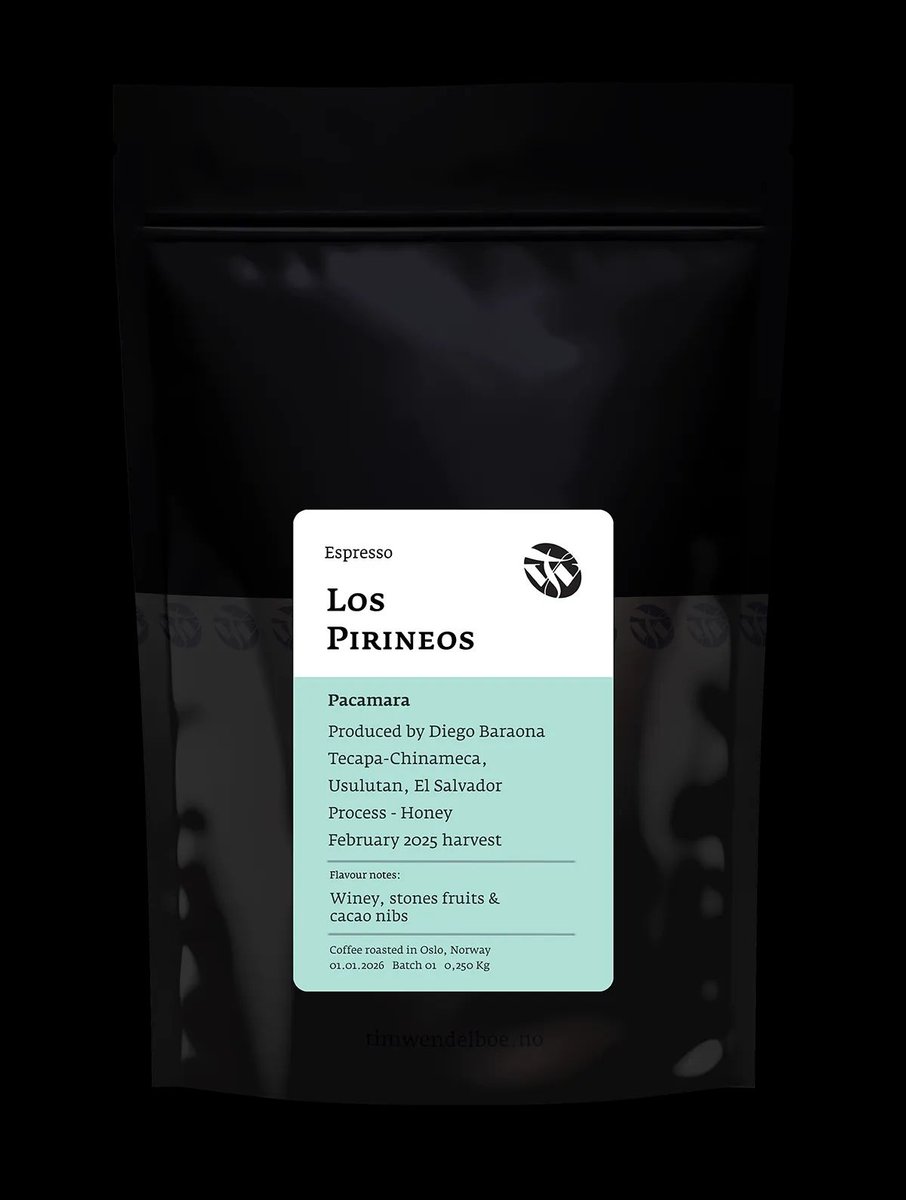
Los Pirineos Pacamara Espresso - Honey Process
Tim Wendelboe · 26 NOK
Intense Pacamara espresso with stone fruits and cacao nibs.
Honey
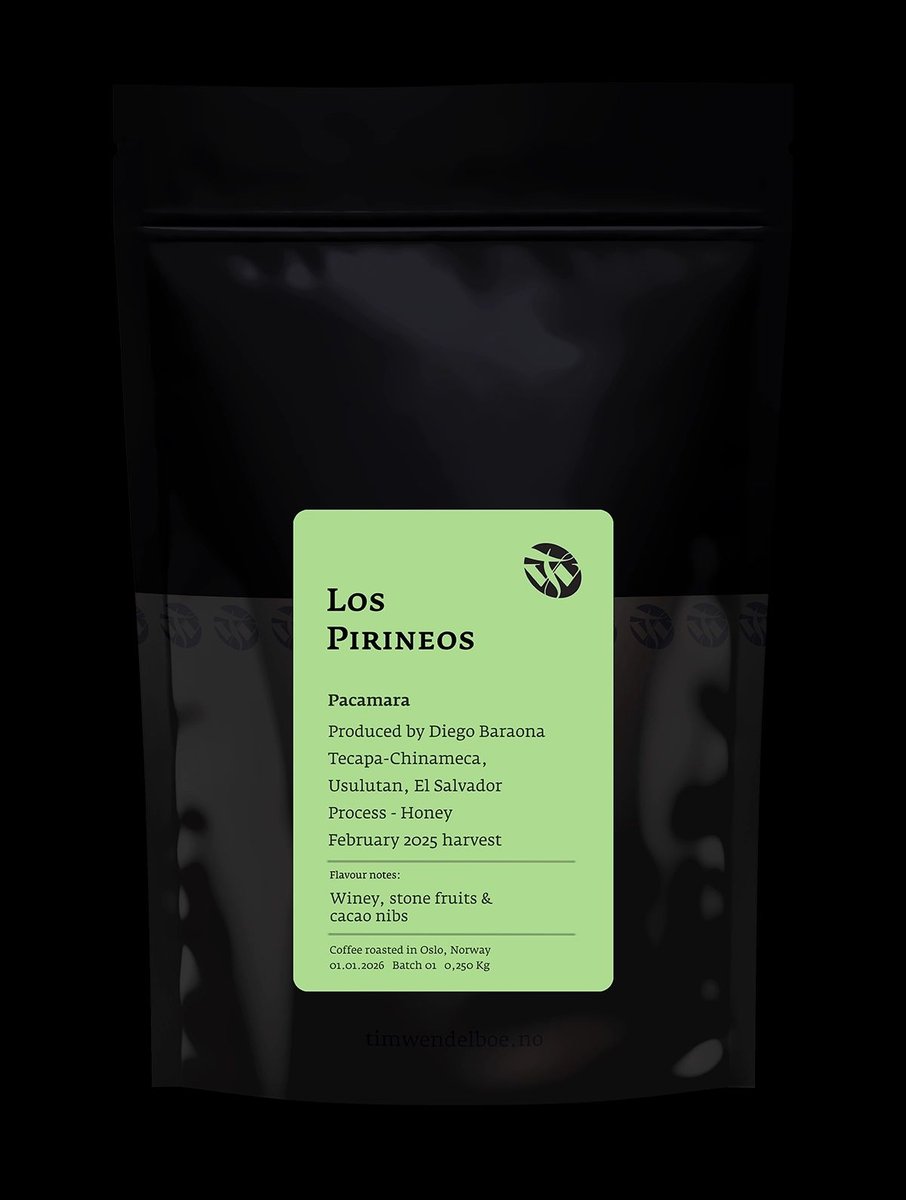
Los Pirineos Pacamara - Honey Process
Tim Wendelboe · 26 NOK
Intense Pacamara with ripe stone fruits and cacao notes.

Ethiopia · Honey
Bombe - Honey
Black & White Coffee Roasters · $19.6
Honey-processed Ethiopian with floral and yellow fruit notes, tasting like oolong tea with lemon.
Frequently asked questions
- What is the difference between honey processing and pulped-natural processing?
- The terms describe essentially the same technique—removing the cherry skin mechanically while leaving mucilage on the parchment for drying—but with different cultural origins. 'Pulped-natural' is the Brazilian term with older industrial roots, while 'honey processing' became the dominant specialty coffee vocabulary, particularly associated with Costa Rican micromill producers who developed a finer-grained spectrum (white, yellow, red, black) based on mucilage retention percentage and drying conditions.
- Why are honey-processed coffees called 'honey' if no honey is added?
- The name refers to the sticky, amber-colored mucilage that coats the parchment during drying, not to any addition of honey. The association with sweetness the method imparts to the cup reinforces the term, but it is the appearance and texture of the retained mucilage—not an ingredient—that gives honey processing its name.
- Which honey style is best for espresso?
- Red and black honey styles, with their fuller body, elevated sweetness, and rounded acidity, are commonly preferred for espresso preparation, as these characteristics translate well under pressure. Yellow honey can also work well. White honey, being closest to washed, tends to produce a brighter, lighter espresso. That said, variety, roast level, and extraction approach all interact with process style, so no single answer fits all situations.
- How long does honey processing take to dry?
- Drying times vary significantly by style and ambient conditions. White and yellow honey lots may complete drying in approximately 8–15 days under favorable sun conditions. Red and black honey lots, which require more shade and slower drying to develop their fuller profiles, commonly take 18–30 days or more. High ambient humidity or densely loaded drying beds can extend these timelines further and increase the need for careful management.
- Does honey processing use less water than washed processing?
- Yes, substantially. Washed processing requires water for flotation sorting, fermentation tanks, and washing channels to remove mucilage. Honey processing eliminates or greatly reduces the washing phase, significantly cutting water consumption and the organic-load wastewater associated with fermentation effluent. This environmental advantage is one reason honey processing has gained favor in water-stressed growing regions.
- Can honey-processed coffee taste fermented or 'funky'?
- It can, and this is generally considered a process defect rather than a desired characteristic in traditional honey processing. The mucilage's sugar content makes it susceptible to undesirable fermentation if drying is not carefully managed—particularly in red and black styles where drying is slow. Proper turning frequency, bed density, and shade management are used to prevent anaerobic pockets and mold. However, some producers intentionally combine honey-style mucilage retention with controlled anaerobic fermentation for experimental profiles, blurring the line between defect and intention.
See also