Discover · By Flavor
Citrus & Bright Coffees: A Tasting Guide
Where citric snap comes from, how to brew for it, and which coffees to try right now
Key facts
- Primary acids
- Citric, malic, and phosphoric
- Ideal elevation
- Above 1,500 meters
- Key origins
- Kenya, Ethiopia, Colombia
- Best processing
- Washed (wet) processing
- Optimal roast
- Light roast, 195-205°C
- Best brew methods
- Pour-over, AeroPress, batch brew
What We Mean by "Bright" and "Citric"
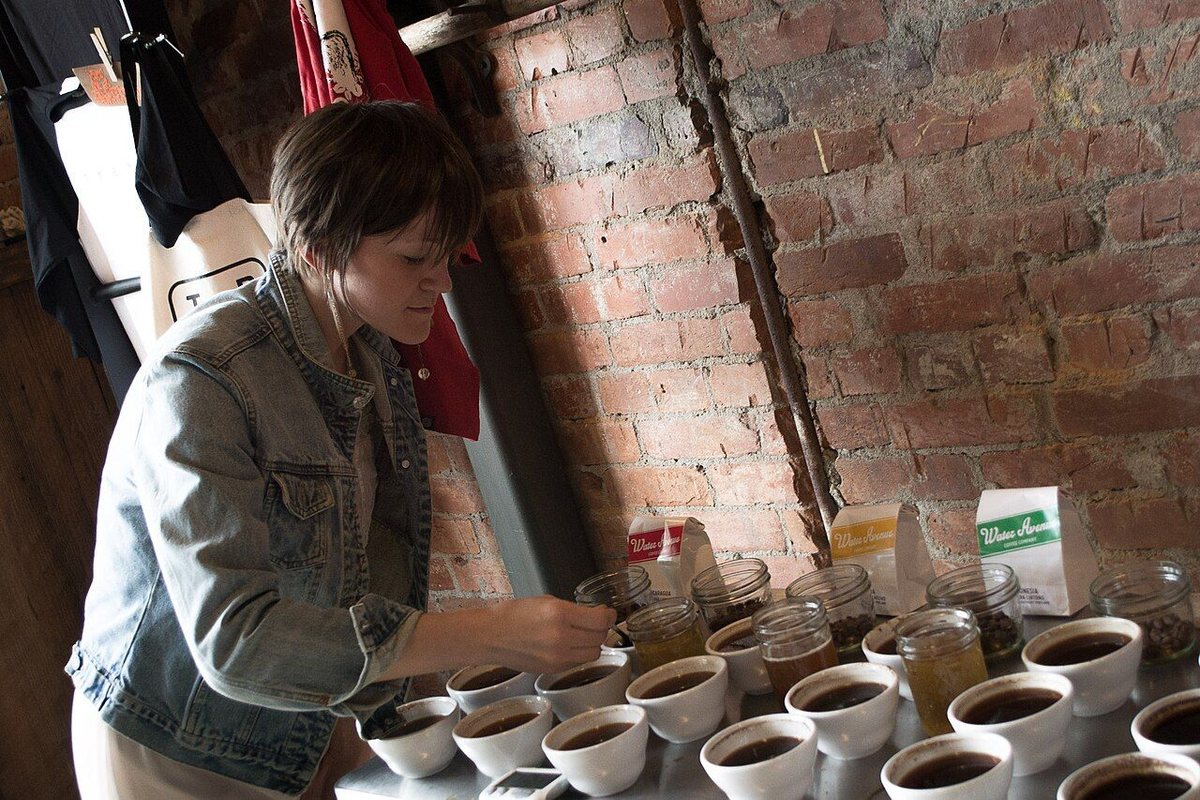
In professional tasting descriptors, acidity is not a flaw — it is one of the primary dimensions cuppers evaluate alongside body, sweetness, flavour, and aftertaste. As the SCA cupping protocol frames it, acidity is "a sharp and tangy feeling, like when biting into an orange." When it is clean, well-integrated, and paired with sweetness, that quality is what coffee professionals mean by bright.
The "fruity/citrussy" aroma family — described in cupping literature as reminiscent of fruit and berries, with the perception of high acidity correlated with citrus character — is among the most prized in specialty coffee. It is distinct from sourness caused by under-extraction or defective processing; instead it reflects actual organic acids present in the bean.
The most important of those acids in coffee are citric, malic, and phosphoric acids. Malic acid — best known from green apples (its name derives from the Latin malum, meaning apple) — contributes a softer, rounder tartness. Citric acid lands with more immediacy: bright, zesty, and clean. These are the same fixed acids studied extensively in other agricultural contexts; malic acid, for instance, is present in nearly every fruit and berry plant and is one of the principal organic acids in wine grapes.
Where Citric Brightness Comes From
Terroir and Growing Altitude
Citric acidity in coffee is not random — it is the product of specific geographic and agricultural conditions. At high elevations (generally above 1,500 m), cooler temperatures slow cherry maturation dramatically. That extended development time allows sugars and organic acids to accumulate rather than metabolise away. This is why coffees from Kenya, Ethiopia, Colombia, and other high-altitude origins consistently dominate the bright end of the flavour spectrum.
Kenya is perhaps the world's benchmark for citric brightness. The combination of SL28 and SL34 varieties, double-washed processing, and high elevation (many farms sit at 1,700–2,100 m) produces a flavour profile typified by blackcurrant, red grapefruit, and tomato — all expressions of elevated citric and phosphoric acid content. The late-ripening schedule in the main crop (typically October–December) at altitude concentrates these compounds further.
Ethiopia — washed style — is the other canonical source. Washed coffees from Yirgacheffe, Kochere, and surrounding zones express a different citric register: floral jasmine and bergamot on the nose, followed by lemon, stone fruit, and sometimes Meyer lemon on the palate. The native heirloom varieties cultivated in these regions have a genetic complexity that contributes to their distinctive aromatic intensity.
Processing Method
Processing has an outsized influence on where acidity sits on the flavour dial. Washed (wet) processing strips the fruit mucilage before drying, which tends to clarify and heighten perceived acidity — the acids read crisper and more defined against a cleaner baseline. Natural processing, which dries the cherry intact, adds layers of fruit-ferment sweetness that can cushion or obscure acidity even when it is chemically present.
This is why two coffees from the same Ethiopian cooperative — one washed, one natural — can taste markedly different: the washed version will often read brighter and more citric, while the natural may feel fuller and berry-forward.
Roast Level
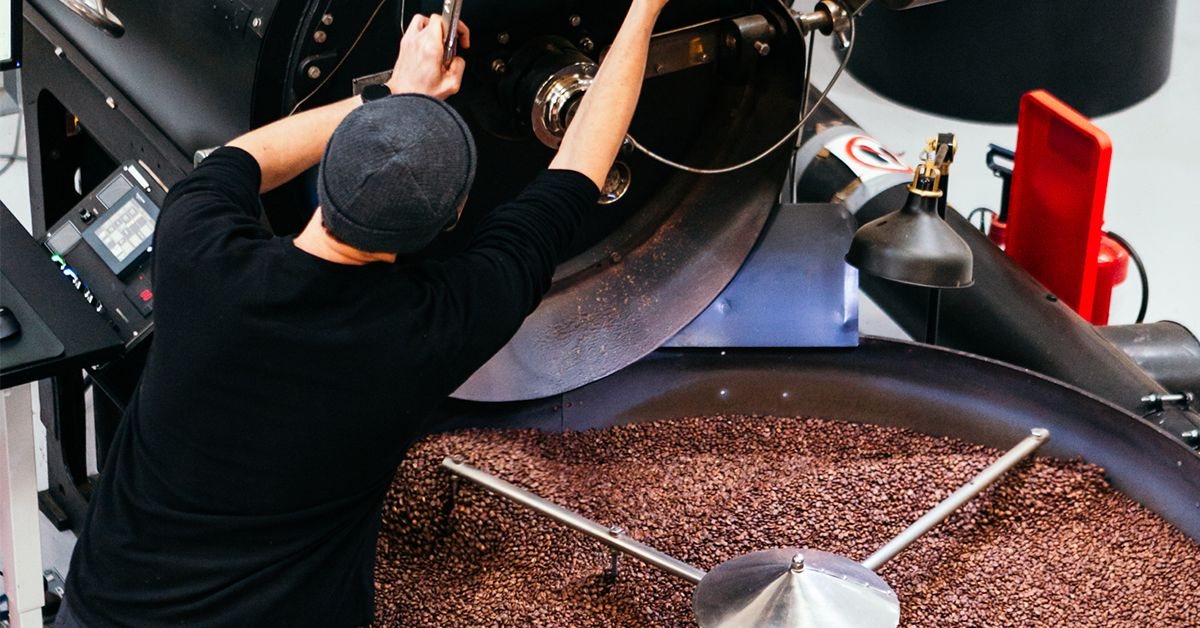
Roast is where much of the acidity conversation lives among home brewers, and for good reason. Organic acids degrade with heat. Light roasts preserve more of the citric and malic acid structure present in the green bean. As roast progresses through medium to dark, those acids break down — and so does the brightness. By the time a bean reaches a French or Italian roast, virtually all the delicate citric character has been replaced by bitterness, carbon, and roasty notes that cupping literature describes as "ashy" or "burnt/smoky."
For a coffee to express citric brightness in the cup, it almost certainly needs to be roasted light — typically to a first-crack finish or just beyond, with internal bean temperatures in the 195–205 °C range depending on the roaster's approach.
Brewing to Highlight Brightness
Water Chemistry
Water is arguably the most overlooked variable in brewing for acidity. Water composition directly affects extraction efficiency and how acids register on the palate. Soft water — low in calcium and magnesium — tends to emphasise acidity and brightness; harder water buffers acids and can make a naturally vibrant coffee taste flat or muddy.
A general guideline used by many specialty brewers is to target total dissolved solids (TDS) in the 75–150 ppm range, with moderate hardness. Some brewers pursuing maximum citric clarity use water as soft as 50–70 ppm total hardness. Chlorine and chloramine in tap water can mask delicate citrus notes; filtered or third-wave water recipes (such as Third Wave Water mineral packets) are worth considering if your tap supply is heavily treated.
Brew Method and Grind
Not every brew method is equally suited to showcasing citric acidity:
- Pour-over (V60, Kalita Wave, Chemex): The gold standard for citrus-forward coffees. Paper filtration removes oils that might otherwise blunt brightness, and the manual process gives you precise control over flow rate, temperature, and bloom time.
- AeroPress (inverted, short steep): Can produce a clean, concentrated cup that highlights acidity when using a paper filter. Shorter steep times (1–1:30 min) with a coarser grind preserve citrus over roasty notes.
- Batch brew / drip: A well-dialled drip machine (SCAA-certified models that hit 93–96 °C) can produce an excellent citrus-forward cup, especially with a light-roast single origin. Often underrated for this style.
- Espresso: Citric acidity in espresso reads as intensity rather than delicacy. High-altitude washed Ethiopians can produce extraordinary espresso with lemon and bergamot top notes, but dialling grind and dose is critical — under-extraction amplifies sourness rather than brightness.
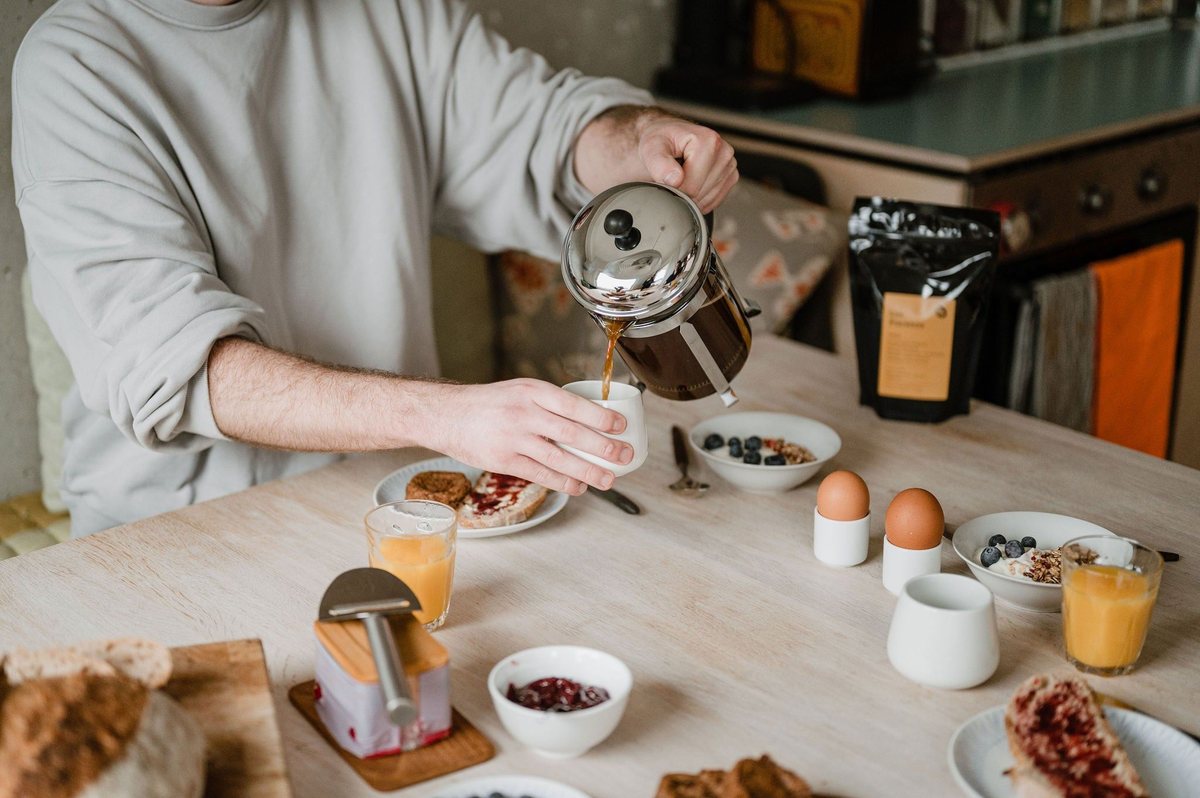
- French press / metal filter immersion: The oil-rich, unfiltered result tends to emphasise body and mutes acidity. Not the ideal format for citric coffees.
Temperature
Brew temperature shapes how acidity is perceived. Higher temperatures (93–96 °C / 200–205 °F) extract acids more fully and produce a cleaner, brighter cup with light roasts. Dropping below 88 °C can cause under-extraction that reads as sour rather than bright. Cold brew, paradoxically, extracts very little acid — if you want citrus notes via cold brewing, consider a Japanese-style iced pour-over (brewing hot directly over ice) rather than a long cold-steep.
Grind and Ratio
For pour-over with citrus-focused light roasts, a 1:16 coffee-to-water ratio (e.g., 22 g coffee to 352 g water) is a reliable starting point. Go finer if the cup feels thin and sharp; coarser if it is astringent. Uniformity of grind is especially important — uneven particles produce mixed extraction that muddies bright, precise acid notes.
In-Stock Picks for Citrus Lovers
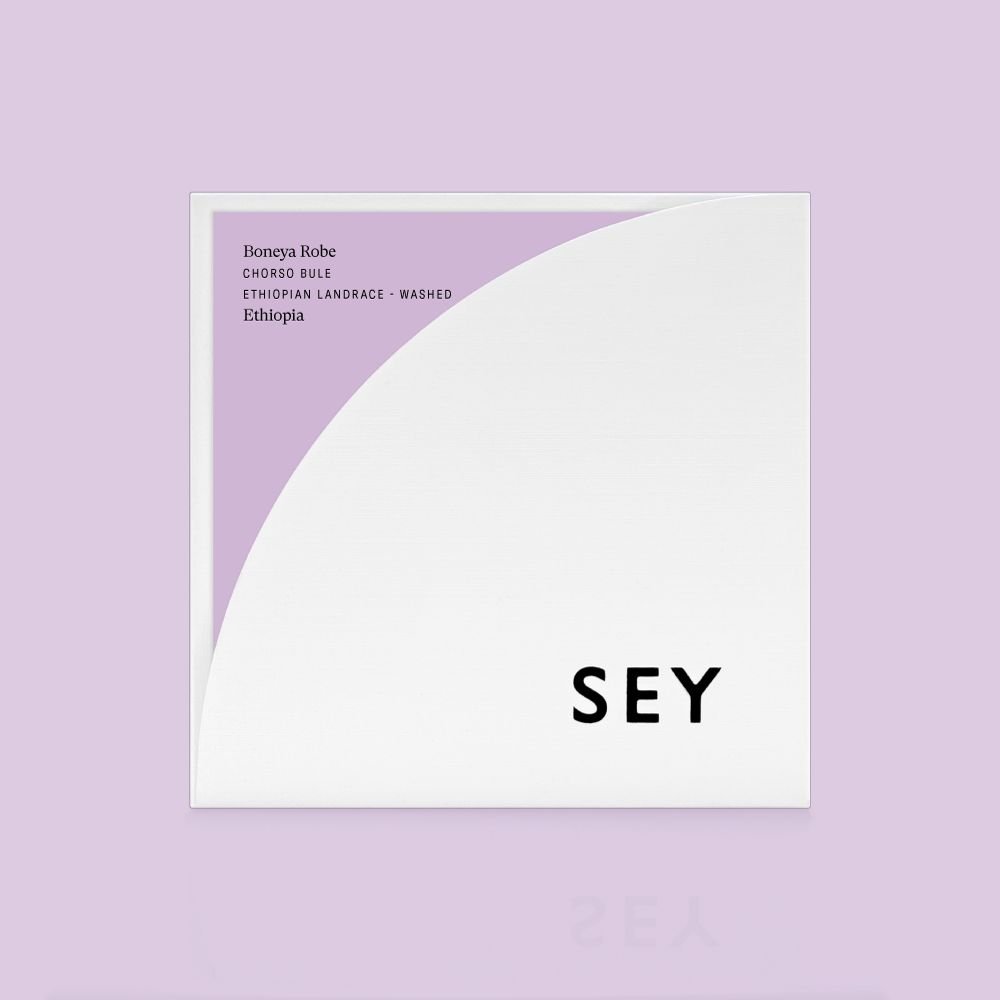
Sey Coffee — Boneya Robe, Chorso Bule, Ethiopia
Sey Coffee is a Brooklyn-based roaster with a well-documented commitment to light, expressive roasting that prioritises origin character over roasty uniformity. Their 2026 Boneya Robe; Chorso Bule - Ethiopia is a washed Ethiopian that sits squarely in the tradition of bright, florally complex Ethiopians — the kind of coffee where bergamot, lemon verbena, and stone fruit stack in ways that reward a slow pour-over. Known for sourcing with precise traceability down to the cooperative level, Sey is a consistent choice for anyone chasing washed Ethiopian brightness.
Best for: Pour-over enthusiasts who want a textbook citrus-and-floral Ethiopian profile. Also worth exploring as a single-origin espresso if you enjoy intensity.
Trade-off: Sey's light roast approach means this is not the coffee if you prefer a heavier body or caramel sweetness. Espresso brewing requires patience in dialling.
Tim Wendelboe — Nordic Roasting Benchmark
Tim Wendelboe, the Oslo-based roaster and 2004 World Barista Champion, has built a global reputation on coffees that exemplify Nordic-style light roasting — clean, precise, and oriented toward origin clarity. Wendelboe's long-standing relationships with producers in Kenya and Ethiopia mean his seasonal offerings frequently anchor the citric, high-acidity end of the spectrum. Per their site, the roastery places a strong emphasis on green coffee quality and post-harvest traceability as the foundation of cup brightness.
Best for: Brewers who want a benchmark-quality, high-altitude East African coffee roasted with surgical restraint. Works beautifully on V60 or as filter-style batch brew.
Trade-off: Nordic roast profiles can be polarising for drinkers accustomed to medium or dark roasts — the body is deliberately lean.
Square Mile Coffee Roasters — London Standard
Square Mile Coffee Roasters, co-founded in London in 2008 by World Barista Champions James Hoffman and Anette Moldvaer, has consistently championed washed East African and Central American coffees at the brighter end of the dial. Their seasonal filter offerings frequently include Kenyan and Ethiopian coffees that showcase the red-fruit and citrus complexity those origins are known for. Per their site, Square Mile emphasises direct trade relationships and transparent sourcing — factors that feed directly into the traceability that underpins cup quality.
Best for: Brewers who want a well-rounded, approachable bright coffee with strong roastery pedigree and reliable batch-to-batch consistency.
Trade-off: Seasonal menus rotate; specific lots vary by release cycle, so availability is not guaranteed year-round.
Quick-Reference: What Drives Citric Brightness
| Variable | Favours Brightness | Reduces Brightness |
|---|---|---|
| Origin | Kenya, Ethiopia (washed), Colombia high-altitude | Brazil, Sumatra, low-altitude robusta blends |
| Processing | Washed / wet-processed | Natural / honey processed |
| Roast | Light (first crack finish) | Medium-dark to dark |
| Water | Soft, 75–150 ppm TDS, filtered | Hard, heavily mineralised, chlorinated |
| Brew method | Pour-over, paper-filtered AeroPress | French press, espresso (partially) |
| Temperature | 93–96 °C | Below 88 °C (sourness) or cold brew |
A Note on Acidity vs. Sourness
The most common stumbling block for newcomers to citrus-forward coffees is conflating brightness with sourness. They are not the same thing, and understanding the distinction changes how you dial in your brew.
Brightness is acidity in balance — vibrant, clean, pleasurable, and integrated with sweetness and body. It lifts the cup and makes flavours sing. Sourness is acidity out of balance — typically the result of under-extraction (too coarse a grind, too short a brew time, too low a temperature) or occasionally a processing defect. If your coffee tastes aggressively sharp or unpleasant, adjust extraction before blaming the origin.
A useful test: does the sharpness make your mouth water in an appetising way, or does it make you wince? The former is brightness; the latter is a dial-in problem. Q Graders and professional cuppers trained in the standard cupping protocol evaluate this balance systematically — but any attentive home brewer can develop the same sensitivity with practice.
For further grounding in the geography behind these flavour differences, our coffee regions guide covers the altitude, climate, and varietal factors that distinguish origin profiles in depth.
Coffees demonstrating this
From our catalog of in-stock beans.
Roasters featured
Frequently asked questions
- Why do Kenyan and Ethiopian coffees taste more citric than Brazilian or Indonesian coffees?
- High altitude, cool temperatures, and extended cherry maturation in countries like Kenya and Ethiopia allow organic acids — particularly citric and malic acid — to accumulate rather than metabolise. Lower-altitude or warmer-climate origins like Brazil tend to produce coffees with lower perceived acidity and more chocolate or nutty character. Processing also plays a role: washed Ethiopian and Kenyan coffees strip fruit mucilage before drying, which clarifies and heightens citric brightness.
- Will a medium roast still taste bright and citric?
- It depends on how the roaster defines "medium." A Nordic or specialty-style medium roast may still preserve significant citric character, especially from a high-quality washed Ethiopian or Kenyan. A conventional medium roast from a large commercial operation typically sits darker on the development scale and will have noticeably less brightness. When in doubt, ask the roaster for their roast-degree data or target internal bean temperature.
- Is the sourness I'm tasting a sign of a bad coffee or bad brewing?
- Usually it's a brewing issue rather than a coffee defect. Sourness (unpleasant sharpness) in a specialty light roast is most commonly caused by under-extraction: the grind is too coarse, the water is too cool, or the brew time is too short. Try grinding finer, raising your water temperature toward 93–96 °C, or extending your pour. True brightness — balanced citric acidity — should feel appetising and lively, not harsh.
- What water should I use to get the most out of a citrus-forward coffee?
- Soft, filtered water in the 75–150 ppm TDS range is a good starting point. Heavily chlorinated tap water can mask delicate citrus notes, and very hard water buffers acidity so the brightness reads flat. Many dedicated home brewers use filtered water with a mineral recipe — our water guide at /knowledge/brewing/water covers specific approaches in more detail.
- Can I make citrus-forward coffee as espresso?
- Yes, though the experience is different from filter. High-altitude washed Ethiopians can produce espresso with intense lemon and bergamot character. The key is careful dialling: under-extracted espresso from a light roast reads as aggressively sour rather than bright. Expect a longer dial-in process compared with a medium-roast espresso blend, and consider a slightly longer ratio (1:2.5 to 1:3) to avoid sharpness.
See also