Knowledge · brewing
Espresso
Pressure, precision, and the art of the shot: a complete reference to espresso variables, crema, and dialling in.
Key facts
- Also called
- Concentrated coffee produced under pressure
- Origin
- Italy; modern form developed 1940s-1961
- Typical serving size
- 25-30 milliliters
- Defining pressure
- Around 9 bar at group head
- Standard brew ratio
- 1:2 (dose to yield)
- Ideal brew time
- Approximately 25-30 seconds
- Key characteristic
- Reddish-brown foam crema layer
What Is Espresso?
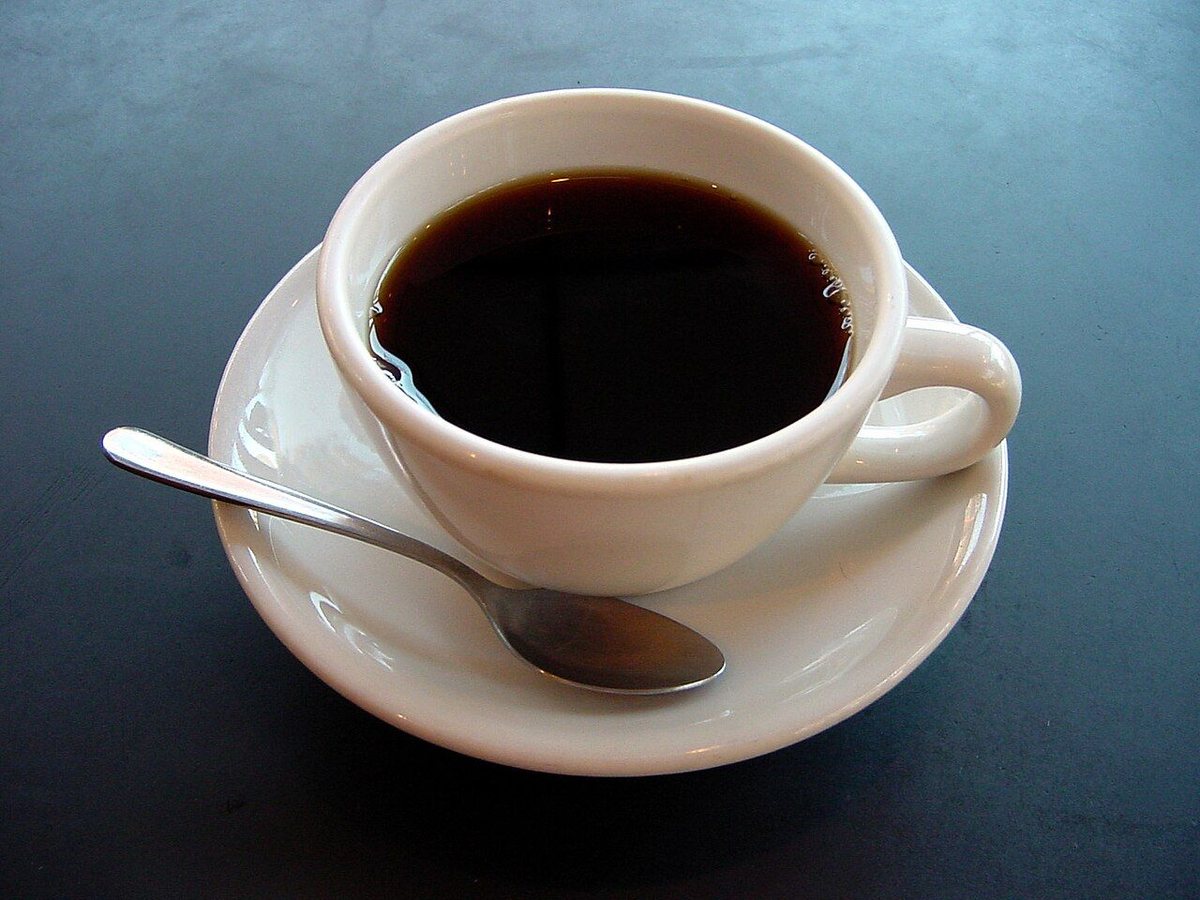
Espresso is a concentrated form of coffee produced by forcing hot water under high pressure through finely ground coffee beans. As described in Brewing Coffee, most methods rely on gravity or immersion; espresso is defined by pressure as the primary extraction driver. The result is a beverage of typically 25–30 ml served in seconds, characterised by a higher concentration of both dissolved and suspended solids than drip or filter coffee — giving it its signature body and intensity.
The word derives from the Italian verb esprimere (from Latin exprimere, 'to press out'), capturing the dual sense of pressing flavour from the coffee and producing it expressly — quickly, for you. Italians routinely call it simply caffè; it is the everyday default.
Espresso serves as the foundation for cappuccino, caffè latte, americano, and dozens of other drinks. While it contains more caffeine per millilitre than drip coffee, its small serving size typically delivers less total caffeine per cup than a large filtered brew.
A Brief History
Modern espresso evolved through a series of Italian inventions. Angelo Moriondo patented a steam-driven bulk brewing machine in Turin in 1884 — almost certainly the first Italian bar machine to control steam and water separately through coffee. Individual-serving machines followed when Luigi Bezzera of Milan filed his patent in 1901 for a machine using a boiler, steam pressure, and a portafilter — producing coffee expressly for each customer. Desiderio Pavoni purchased Bezzera's patents in 1903.
The leap to modern espresso came in the 1940s, when Gaggia pioneered the use of hot water under pump pressure rather than steam alone. Gaggia originally called the result crema caffè (cream coffee) — named for the distinctive foam the new process produced. The pump-driven era was cemented in 1961 when the Faema E61 introduced motorised pump pressure, removing the physical limits of a lever and allowing consistent, repeatable shots.
The Espresso Variables
Espresso sits at the intersection of more controllable variables than any other common brew method. As a general framework, each variable affects extraction yield and strength independently and interactively.
Dose, Yield, and Brew Ratio
- Dose is the mass of dry ground coffee loaded into the portafilter basket, commonly 14–21 g for a double shot.
- Yield (or beverage weight) is the mass of liquid espresso in the cup.
- Brew ratio is yield ÷ dose. A widely used starting point is 1:2 — for example, 18 g of coffee producing 36 g of espresso in the cup.
- Ristretto (restricted) shots use ratios closer to 1:1–1:1.5; lungo shots extend toward 1:3 or beyond. See Brew Ratio for the broader framework.
Small deviations — even 1–2 g in dose or yield — measurably shift sweetness, body, and bitterness, which is why weighing both sides of the shot is standard professional practice.
Grind Size and Particle Distribution
Espresso requires an extremely fine grind — finer than almost any other brew method. Because water contact time is only 25–30 seconds, a large surface area must be exposed rapidly. As the sources note, beans ground too fine will over-expose surface area, producing bitter, harsh flavours; too coarse, and the water channels through without adequate resistance, producing a thin, under-extracted shot.
Equally important is particle size uniformity. Burr grinders — which crush and shear beans between two revolving abrasive elements — produce a far more consistent particle distribution than blade grinders, and are effectively mandatory for espresso. See Grinding & Particle Size for a full treatment of burr geometry and grind distribution.
Grind is the primary daily adjustment lever: as a roast ages, gases escape and beans become denser, typically requiring a finer setting to maintain the same flow rate and yield.
Brew Temperature
Water temperature profoundly affects which compounds are extracted and at what rate. For espresso, the commonly cited range sits within the broader hot-brewing envelope — close enough to boiling to extract efficiently, but precise enough that a shift of even a few degrees alters acidity and bitterness balance. Lighter roasts are generally brewed at the higher end of the espresso temperature range; darker roasts toward the lower end. See Brew Temperature and Water for Coffee for water chemistry and temperature guidance.
Pressure
The defining physical parameter of espresso is pressure — conventionally around 9 bar at the group head during extraction. This level of pressure emulsifies coffee oils, forces dissolved solids into solution far faster than atmospheric-pressure methods, and generates the crema. Too little pressure and extraction is insufficient; too much can compact the puck unevenly and cause channelling.
Tamping
Tamping — pressing the dosed, distributed grounds into a level, compacted puck — creates the resistance that pressure must overcome evenly. An uneven tamp creates preferential pathways (channels) through which water short-circuits the puck, producing streaky, under-extracted espresso. Consistent tamp pressure and a level surface are among the most important barista skills.
Time
Total brew time is the result of how the other variables interact: dose, grind, tamp, and pressure together determine how fast water moves through the puck. A commonly cited target for a double espresso at 1:2 ratio is approximately 25–30 seconds from the start of flow. Time alone, however, is a symptom of the other variables, not a root cause — adjusting grind or dose changes time as a consequence.
Crema
Crema is the reddish-brown, fine-bubbled foam that sits atop a correctly pulled espresso shot. It is an emulsion of coffee oils, water, and CO₂ gas forced into solution under pressure and then released as pressure drops in the cup. Gaggia coined the term crema caffè in 1948 precisely to describe this phenomenon, which his lever machine produced where earlier steam machines had not.
Crema is widely used as a visual quality indicator — a thick, tiger-striped crema suggesting a fresh roast and good extraction — though it is not a perfect proxy for flavour quality. Robusta varieties produce more crema than Arabica due to higher oil content; very fresh roasts off-gas aggressively and can produce excessive crema that dissipates quickly. Crema also carries some of the more bitter and astringent compounds; some tasters prefer to stir it in rather than drink it as a separate layer.
Pressure Profiling
Conventional espresso machines deliver a broadly static 9-bar extraction. Pressure profiling allows the barista or machine to vary pressure dynamically throughout the shot — for example, beginning with a low pre-infusion pressure (1–4 bar) to wet the puck evenly before ramping to full extraction pressure, then tapering off toward the end of the shot to reduce over-extraction of bitter compounds.
Different pressure profiles suit different coffees: lighter, more soluble roasts may benefit from lower peak pressures; denser, darker roasts from a more aggressive ramp. Profiling adds another dimension of control — and another dimension of complexity in dialling in. Machines with analogue paddle control, such as the Lelit Bianca, or PID-controlled dual-boiler machines like the ECM Synchronika, are designed with pressure profiling in mind. At the prosumer entry level, the Gaggia Classic Pro offers a reliable platform for learning foundational espresso without the added complexity of profiling.
Why Espresso Is the Hardest Method to Dial In
No other common brew method concentrates so many interacting variables into so short a window:
- Compounding interactions — grind, dose, tamp, temperature, pressure, and yield all affect one another. Changing the grind changes the flow rate, which changes time, which changes yield, which changes strength.
- Narrow tolerances — the difference between a balanced and an unpleasant espresso can be a single grind step, a gram of dose, or a few seconds of time.
- Equipment sensitivity — espresso machines vary substantially in temperature stability, pressure consistency, and pre-infusion behaviour. Even the same machine behaves differently as it warms up.
- Roast and freshness — CO₂ off-gassing from freshly roasted beans creates channelling and inconsistent extraction. Most roasters recommend a rest period of several days to two weeks post-roast before pulling espresso.
- Grinder quality — at fine espresso grind settings, burr alignment, burr geometry, and grind retention all matter more than at coarser settings. See Grinding & Particle Size.
For those building a home setup, machines such as the La Marzocco Linea Mini reduce variables around temperature and pressure stability, allowing the barista to focus on the grind and recipe side of dialling in.
Espresso as a Base Beverage
Because espresso is so concentrated, it retains its character when combined with milk, water, or other liquids:
- Americano / Long Black — espresso diluted with hot water, approximating filter coffee strength
- Cappuccino — espresso with roughly equal parts steamed and foamed milk
- Caffè latte — espresso with a larger proportion of steamed milk and minimal foam
- Ristretto / Lungo — shorter and longer espresso variants respectively, achieved by adjusting yield at the same dose
The espresso brew ratio and the range of derived drinks all hinge on the same foundational shot, which is why precision in pulling that shot has implications far beyond the demitasse.
Dial it in
Live recipe for this method — tweak the dose and ratio, then brew along with the timer. Open the full calculator.
~1:2 ratio in ~28s
Shot guide
- 0:00Lock in 18g dose, start shot
- 0:08First drops should appear (pre-infusion)
- 0:28Stop at ~36g in the cup
Watch a brew guide
James Hoffmann covers the Espresso in a 22-minute video. Watch the review below, then see the details and where to buy — all without leaving the page.
James Hoffmann takes a hands-on look at the Normcore WDT Tool. We link it for its specs walkthrough and real-world impressions — form your own view by watching.
More videos
Gear for this
Frequently asked questions
- What pressure should espresso be extracted at?
- The conventional target is approximately 9 bar at the group head during extraction. This level of pressure emulsifies oils, drives dissolved solids into solution rapidly, and produces crema. Some modern approaches use pressure profiling — varying pressure dynamically throughout the shot — rather than holding a fixed 9 bar.
- What is a good starting brew ratio for espresso?
- A widely used starting point is 1:2 by mass — for example, 18 g of ground coffee yielding 36 g of espresso in the cup in approximately 25–30 seconds. Ristretto shots use ratios closer to 1:1–1:1.5; lungo shots extend toward 1:3 or more.
- What causes channelling in espresso?
- Channelling occurs when water finds preferential pathways through the puck rather than flowing evenly. Common causes include an uneven tamp, uneven distribution of grounds in the basket, or a dose that is too low for the basket. Channelling results in uneven extraction — some areas of the puck are over-extracted and others under-extracted — producing a harsh or sour shot.
- What is espresso crema and does it indicate quality?
- Crema is the reddish-brown foam on top of an espresso, formed by CO₂ and coffee oils emulsified under pressure. It is widely used as a visual quality indicator — a dense, tiger-striped crema can suggest a fresh roast and good extraction — but it is not a perfect predictor of flavour quality. Robusta produces more crema than Arabica, and very fresh roasts may produce excessive crema that dissipates quickly.
- Do I need a burr grinder for espresso?
- Yes. Espresso requires an extremely fine and uniform grind. Burr grinders — which crush beans between two revolving abrasive elements — produce consistent particle size distribution essential for even extraction at espresso's short brew time. Blade grinders produce an uneven particle distribution that makes controlling espresso extraction effectively impossible.
- Can espresso be made with light-roast beans?
- Yes. Despite a widespread myth, espresso can be made with any roast level, including light roasts. Lighter roasts are often brewed at slightly higher temperatures and may require finer grind adjustments, as their denser cell structure can resist extraction. The resulting flavour profile tends to be more acidic and fruit-forward compared to darker roasts.
See also