Guides · How To
How to Clean and Descale an Espresso Machine
Daily backflushing, portafilter care, descaling, and a maintenance schedule — everything you need to keep your machine pulling great shots for years.
Key facts
- Brew Pressure
- 8–10 bar in pump-driven machines
- Scale Cause
- Hard water deposits of calcium and magnesium ions
- Daily Key Task
- Purge group head and wipe steam wand
- Backflush Frequency
- Daily with plain water, weekly with cleaner
- Portafilter Soak Time
- 15–20 minutes in cleaning solution
Why Cleaning an Espresso Machine Actually Matters {#why-cleaning-matters}
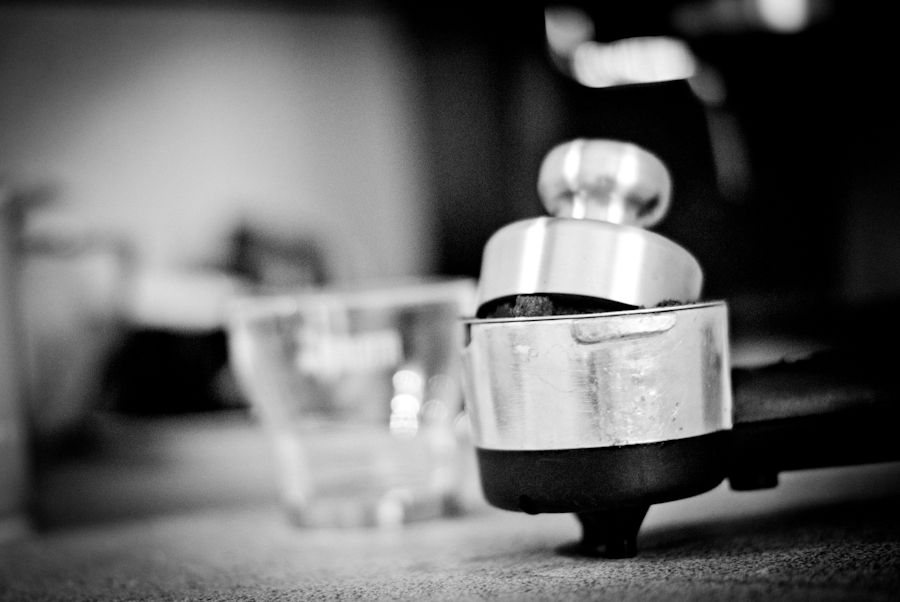
Espresso is made by forcing heated, pressurised water through a tightly compressed puck of finely ground coffee at high pressure — typically 8–10 bar in a pump-driven machine. That means every component in the brew path — the group head, portafilter, filter basket, and shower screen — is exposed to hot, oily, pressurised coffee repeatedly throughout the day. Oils oxidise. Grounds accumulate. Over time, rancid residue in those components doesn't just taste bad; it actively degrades shot quality by introducing bitterness and off-flavours that no amount of dialling in can fix.
At the same time, water hardness is the single biggest variable that determines how quickly scale builds up inside your boiler and heat exchanger. Hard water — formed when water percolates through limestone, chalk, or gypsum deposits — carries dissolved calcium and magnesium ions that precipitate out as calcium carbonate (CaCO₃) and other mineral compounds when heated. These deposits, commonly called limescale, coat the internal surfaces of pipes, boilers, and heat exchangers, reducing thermal efficiency and eventually causing component failure. Understanding both problems — coffee residue and mineral scale — and tackling them separately is the foundation of good espresso machine maintenance.
Understanding Your Machine's Anatomy {#machine-anatomy}
Before you clean anything, it helps to know what you're cleaning. Most pump-driven espresso machines — the most popular design in both home and commercial settings — share a set of common components:
- Group head: The assembly through which heated, pressurised water is delivered to the coffee puck. It houses the shower screen and dispersion plate.
- Portafilter: The handle-and-basket assembly that locks into the group head and holds the coffee puck. Per the fundamental design of espresso machines, it comprises a filter basket, a locking mechanism, and an attachment handle.
- Filter basket: The perforated metal cup inside the portafilter that holds the ground coffee.
- Steam wand: The auxiliary tube used to steam and froth milk for drinks like cappuccino and latte. Milk residue here is one of the fastest-souring substances in a home kitchen.
- Boiler / heat exchanger / thermoblock: The internal heating element that brings water to brew temperature. This is where limescale accumulates.
- Water tank or direct-connect line: The source of water entering your machine — and the starting point for managing mineral content.
Machines like the Breville Bambino Plus use a thermoblock or thermojet system for fast heat-up, while classic single-boiler machines like the Gaggia Classic Pro use a traditional brass boiler. The descaling process differs slightly between designs, so always check your manual for model-specific steps — but the principles below apply broadly.
Daily Cleaning Routine {#daily-cleaning}
Consistency on a daily basis keeps the bigger cleaning jobs manageable. Most of this takes under five minutes.
After Every Session: Purge and Wipe
- Purge the group head. Run a short burst of hot water through the group head (without the portafilter locked in) immediately after your last shot. This flushes loose grounds and oils from the shower screen.
- Knock and rinse the portafilter. Knock the spent puck into a knock box, then rinse the portafilter basket under hot running water. Do not use soap for the quick rinse — a hot rinse is sufficient to remove loose grounds.
- Wipe the steam wand immediately. This is non-negotiable. Milk that dries onto a steam wand bakes into a stubborn, bacteria-friendly film. Wipe it with a damp cloth within seconds of finishing your milk texturing, then purge a short burst of steam through the wand to clear any milk drawn up inside.
- Wipe the group head gasket area. Use a damp cloth to remove any grounds from around the group head seal. Built-up grounds here degrade the rubber gasket over time.
Backflushing (Semi-Automatic and E61-Style Machines)
Backflushing uses a blind (solid) filter basket — one with no holes — to reverse water pressure back through the group head and solenoid valve, clearing coffee oils from the internal brew path. It is only relevant for machines with a three-way solenoid valve (which includes most semi-automatic pump machines, including the Gaggia Classic Pro). Thermobloc machines like the Breville Bambino Plus may have a simplified auto-clean cycle instead — check your manual.
Daily backflush (plain water):
- Insert the blind basket into the portafilter and lock it into the group head.
- Run the pump for 10 seconds, then stop for 5 seconds. Repeat 5–6 times.
- Remove the portafilter, rinse the blind basket, and run one final flush through the open group head.
Weekly backflush (with espresso machine cleaner):
- Add approximately ½ teaspoon of espresso machine cleaning powder (such as Cafiza or a brand-equivalent) to the blind basket.
- Repeat the 10-second on / 5-second off cycle 5–6 times, then discard the dirty water.
- Repeat the cycle several more times with plain water only until the water runs completely clear with no chemical smell.
Important: Never use espresso cleaning detergent in machines that do not have a solenoid valve, as the chemical solution has nowhere to drain safely.
Weekly Deep-Clean: Portafilter, Basket, and Group Head {#weekly-deep-clean}
Once a week, go further than the daily rinse.
Soaking the Portafilter and Basket
- Dissolve a small amount of espresso machine cleaning powder in a bowl of hot (not boiling) water.
- Submerge the portafilter and filter basket — not the handle if it is wooden or plastic-bodied. Soak for 15–20 minutes.
- Scrub the basket holes with a stiff brush (a dedicated espresso brush or an old toothbrush works well) to clear any compacted grounds.
- Rinse thoroughly under running water. Any chemical residue left in the basket will transfer directly into your next shot.
Removing and Cleaning the Shower Screen
Most group heads allow the shower screen to be removed with a single screw or by pulling it free:
- Use a flathead screwdriver to remove the shower screen retaining screw (if present).
- Soak the screen in the same cleaning solution for 10–15 minutes.
- Scrub with a brush, rinse well, and reattach.
A clean shower screen distributes water evenly across the puck — uneven distribution from a clogged screen is a common and underdiagnosed cause of channelling.
Steam Wand Deep-Clean
If milk residue has built up inside the wand tip:
- Soak the tip in a small cup of hot water with a drop of milk cleaner or the same espresso cleaner solution for a few minutes.
- Use a thin wand-cleaning pin or a straightened paperclip to clear the steam holes.
- Purge steam through the wand before using it again.
Descaling: When, Why, and How {#descaling}
Descaling addresses the limescale problem — the internal mineral build-up that daily backflushing cannot touch.
How Often Should You Descale?
Frequency is driven by your water hardness and your usage volume. As established in water chemistry, hard water forms scale composed mainly of calcium carbonate, magnesium hydroxide, and calcium sulfate on the inside surfaces of pipes and heat exchangers. This precipitation is principally caused by the thermal decomposition of bicarbonate ions — which is exactly what happens inside a hot boiler.
As a working guide:
| Water Hardness | Recommended Descale Interval |
|---|---|
| Soft (0–100 ppm / 0–6 °dH) | Every 3–4 months |
| Moderate (100–200 ppm / 6–12 °dH) | Every 1–2 months |
| Hard (200+ ppm / 12+ °dH) | Every 3–4 weeks |
Many machines — including the Breville Bambino Plus — have an indicator light that signals when descaling is needed. Treat that as a maximum interval, not a target. If you live in a hard-water area, you may want to descale proactively before the light triggers.
For a deeper understanding of how mineral content affects extraction flavour and machine health, our guide to Water for Coffee covers TDS, alkalinity, and filtration options in detail.
Choosing a Descaler
Use a dedicated espresso machine descaler — typically citric acid or lactic acid-based. Do not use vinegar in a machine with internal rubber seals or aluminium components; the acetic acid can damage both. Follow your machine manufacturer's recommendation on concentration. If in doubt, dilute slightly weaker than instructed rather than stronger — descaling is safe at lower concentrations, just slightly slower.
Step-by-Step Descaling Process
The following process applies broadly to most home espresso machines. Always cross-reference with your specific machine manual.
- Empty and remove the water tank. Fill it with the descaling solution mixed to manufacturer-specified concentration.
- Place a large container (2 litres or more) under the group head and steam wand.
- Enter descale mode (refer to your manual — most modern machines have a dedicated mode). Alternatively, run the pump manually in cycles.
- Alternate between running solution through the group head and steam wand so scale is cleared from all internal paths. Run for 25–30 seconds, pause for 30 seconds, repeat.
- Run the full tank of descaling solution through until the reservoir is empty.
- Rinse thoroughly. Refill the tank with fresh, filtered water and run the entire tank through the machine. Repeat this rinse cycle at least twice — ideally three times — before brewing. Any descaler residue reaching your cup will be unpleasant and potentially harmful.
- Pull a sacrificial shot (discard it) before resuming normal use.
On the Gaggia Classic Pro: The Classic Pro does not have a built-in descale mode. Run the descale solution manually by cycling the brew switch and steam valve in turns, ensuring both paths receive the solution. Consult the community-maintained documentation at Gaggia's support resources for model-specific guidance.
Managing Water Quality to Slow Scale Build-Up {#water-quality}
The most effective long-term strategy for reducing descaling frequency is addressing water hardness at the source.
- Filtered water: A simple Brita-style jug filter reduces temporary hardness (bicarbonate-driven scale) meaningfully. For most home users in moderately hard water areas, this alone can significantly extend descaling intervals.
- Third-wave water products: Pre-mixed mineral sachets (such as Third Wave Water) are designed to produce water at an ideal mineral composition for espresso — low enough in hardness to reduce scale, but with enough magnesium for flavour extraction.
- Water softeners: Ion-exchange cartridges fitted inline (common in commercial settings) remove the calcium and magnesium cations that cause both permanent and temporary hardness. Some prosumer machines accept inline filter heads.
- Avoid distilled or RO water without remineralisation: Water that is too soft — very low in minerals — is chemically aggressive and can leach metals from internal machine components over time. Aim for a TDS in the range suitable for espresso rather than zero.
Note that temporary hardness (caused by dissolved bicarbonate minerals) can be reduced by boiling, while permanent hardness (caused by calcium sulfate and magnesium chloride compounds) requires filtration or softening — boiling alone will not remove it.
Maintenance Schedule at a Glance {#maintenance-schedule}
Daily
- Purge group head after last shot
- Knock, rinse, and dry portafilter
- Wipe and purge steam wand immediately after use
- Wipe group head gasket area
- Backflush with water (solenoid-valve machines)
Weekly
- Backflush with espresso cleaning detergent
- Soak and scrub portafilter and basket
- Remove and soak shower screen
- Deep-clean steam wand tip
Monthly (or per hardness schedule)
- Descale according to your water hardness interval
- Inspect group head gasket for cracking or deformation — replace if shots are leaking around the portafilter
- Check shower screen screw for loosening
Every 6–12 Months
- Replace group head gasket (rubber degrades with heat cycling; a new gasket restores the locking seal and often fixes slow or leaking portafilter issues)
- Replace shower screen if pitting or warping is evident
- Consider a professional service for machines used heavily
Common Mistakes to Avoid {#common-mistakes}
Using dish soap on your portafilter: Dish soap leaves a surfactant film that produces soapy off-flavours in shots. Stick to espresso-specific cleaners and hot water rinses.
Descaling without rinsing fully: Descaling acid left in a boiler or heat exchanger will end up in your cup. Three full-tank rinse cycles is the safe minimum.
Leaving the portafilter locked in the group head overnight: Heat and pressure are gone, but the coffee puck continues to oxidise against the shower screen, baking oils into both components. Remove the portafilter after your last shot.
Ignoring the steam wand: A blocked or partially clogged steam wand changes steam pressure and milk texturing performance dramatically. It's also a food hygiene concern.
Running descaler through machines that warn against it: Some aluminium-boiler machines are sensitive to certain acid-based descalers. When in doubt, use the manufacturer's own recommended product.
With a consistent routine, the investment in a machine like the Breville Bambino Plus or the Gaggia Classic Pro will reward you with years of reliably good espresso — and you'll spend far less on repairs and replacement parts than those who skip the maintenance.
Gear for this
Frequently asked questions
- How often should I descale my espresso machine?
- It depends on your water hardness. In soft water areas (under 100 ppm), every 3–4 months is typically sufficient. In hard water areas (over 200 ppm), you may need to descale every 3–4 weeks. Check our Water for Coffee guide for how to test your water hardness.
- Can I use vinegar to descale my espresso machine?
- We don't recommend it. Vinegar's acetic acid can damage rubber seals and aluminium components over time, and it's difficult to rinse out fully — any residue affects taste significantly. Use a dedicated espresso machine descaler, typically citric acid or lactic acid-based.
- What is backflushing and does my machine support it?
- Backflushing uses a blind (solid) filter basket to reverse water pressure back through the group head, flushing coffee oils from the solenoid valve and internal brew path. It only works on machines with a three-way solenoid valve — such as the Gaggia Classic Pro. Thermoblock machines like the Breville Bambino Plus typically use a different auto-clean cycle instead.
- Why do my shots taste bitter even after dialling in?
- Rancid coffee oil residue in the group head, shower screen, or portafilter basket is a common and underdiagnosed cause of persistent bitterness. Try a weekly backflush with espresso cleaning detergent and a full soak of your portafilter and basket — you may be surprised by the improvement.
- Do I need to remove the portafilter from the machine after each use?
- Yes. Leaving the portafilter locked in overnight allows the spent coffee puck to oxidise against the shower screen, baking oils into both surfaces. Remove it after your last shot, knock out the puck, and rinse the basket.
- Can I use tap water in my espresso machine?
- You can, but the mineral content of your tap water directly determines how quickly scale builds up inside the boiler. In hard water areas, using a filtered or partially softened water source can meaningfully extend the intervals between descaling sessions. Avoid using fully distilled or reverse osmosis water without remineralisation, as very low-mineral water can be chemically aggressive to internal metal components.
See also