Discover · By Region
The Portland Coffee Scene: A Local Guide
From Stumptown's early disruptions to Heart Coffee's Nordic-influenced precision, here's what you need to know about coffee in the City of Roses.
Key facts
- Location
- Portland, Oregon at Willamette and Columbia rivers
- Known for
- Third-wave specialty coffee and direct-trade sourcing
- Key roaster
- Heart Coffee Roasters with Nordic influence
- Defining roaster
- Stumptown Coffee Roasters early disruption
- Climate
- Warm dry summers and cool rainy winters
- Heart café locations
- Burnside and Woodstock neighborhoods
Portland and Coffee: A Natural Pairing
Portland, Oregon — the City of Roses, home to 652,503 residents at the 2020 census and the most populous city in Oregon — has long punched above its weight in food and drink culture. Situated at the confluence of the Willamette and Columbia rivers, with a climate defined by warm, dry summers and cool, rainy winters, it's a city built for slow mornings, deliberate rituals, and very good coffee.
That climate is no accident for the scene that grew here. The long grey winters that stretch from October through June gave Portland residents both the appetite and the indoor time to develop strong opinions about their cups. Coffee culture took root alongside the city's broader craft and sustainability ethos — the same values that shaped its urban growth boundary, its cycling infrastructure, and its world-famous farm-to-table dining.
The story of Portland coffee is, in many ways, the story of how American specialty coffee grew up. It's a city that moved early from second-wave coffee commodity thinking toward the producer-focused, terroir-driven philosophy that defines third-wave coffee today.
The Third-Wave Roots of Portland Coffee
By the late 1990s and early 2000s, Portland was already becoming a proving ground for what would become the third wave of coffee globally. While the city's most famous early export — Stumptown Coffee Roasters — has since been acquired and scaled nationally, its influence in normalizing direct-trade sourcing and single-origin transparency cannot be overstated. Stumptown demonstrated that Portland customers would pay more, ask more questions, and expect more from their roasters.
This set the table for a second generation of Portland roasters who could build on that foundation rather than lay it. The third-wave coffee movement's emphasis on traceability, light roasts that preserve origin character, and café design as hospitality philosophy — all of these found fertile ground in Portland's existing culture of craft and independent business.
The contrast with the second wave couldn't be sharper. Where second-wave coffee built its identity around dark roasts, branded flavors, and scale, Portland's emerging roasters were asking different questions: Who grew this? At what altitude? What does it taste like when we roast it light enough to let the origin speak?
Those questions are now standard in specialty coffee globally. In Portland, they were being asked in earnest before most cities had a vocabulary for the answers.
Heart Coffee Roasters: The Standard-Bearer
Heart Coffee Roasters is, by any reasonable measure, the roaster most closely associated with Portland's contemporary specialty coffee identity. Founded with a clear Nordic influence — the kind of precision-oriented, light-roast philosophy pioneered by Scandinavian roasters — Heart has spent years building a reputation for coffees that are transparent, traceable, and meticulously sourced.
Heart's current offering, per their site, includes single-origin lots with full producer attribution: coffees like the Ethiopia Habtamu Fikadu (from $29.00), the Ethiopia Gerba Dogo Sodu (from $29.00), and the Colombia Luz Divia Fierro (from $32.00). This isn't marketing language — naming the producer on the bag is a direct expression of the direct-trade philosophy Heart has built its identity around. The Honduras Daysi Muñoz is listed as a current featured offering, and the practice of naming individual farmers rather than just regions is standard across their lineup.
Heart publishes annual transparency reports — available for 2018, 2019, 2020–2021, and 2022 on their site — making them one of the more accountable roasters in the country when it comes to supply chain disclosure. For coffee drinkers who want to understand not just the flavor in the cup but the economics behind it, this kind of documentation matters.
Their Stereo Seasonal Blend (from $23.00) serves as an accessible entry point — a blend designed to shift with the seasons, offering a reliable espresso-forward experience without the premium price of their single-origin lots. For those who want curation without commitment, their Roasters Choice Subscription (from $31.00) delivers rotating single-origins.
Heart's Cafés in Portland
Heart operates two café locations in Portland, both open seven days a week:
- Burnside: 2211 E Burnside St — their original, longer-standing presence on one of the East Side's main corridors
- Woodstock: 5181 SE Woodstock Blvd — a neighborhood café serving the quieter, residential southeast
Both locations run Monday through Friday, 7AM–3PM, and Saturday through Sunday, 8AM–3PM. The hours reflect a deliberately daytime, neighborhood-service model — these aren't late-night spots, but morning and midday destinations built around the coffee itself.
Heart also offers wholesale, brew equipment (including the Fellow Aiden® Precision Coffee Maker, currently on sale at $461.00 from $577.00), and a range of merchandise that has developed its own following. The brand's visual identity — clean, restrained, Scandinavian in feeling — is coherent across every touchpoint.
Coava Coffee Roasters: Architecture and Agriculture
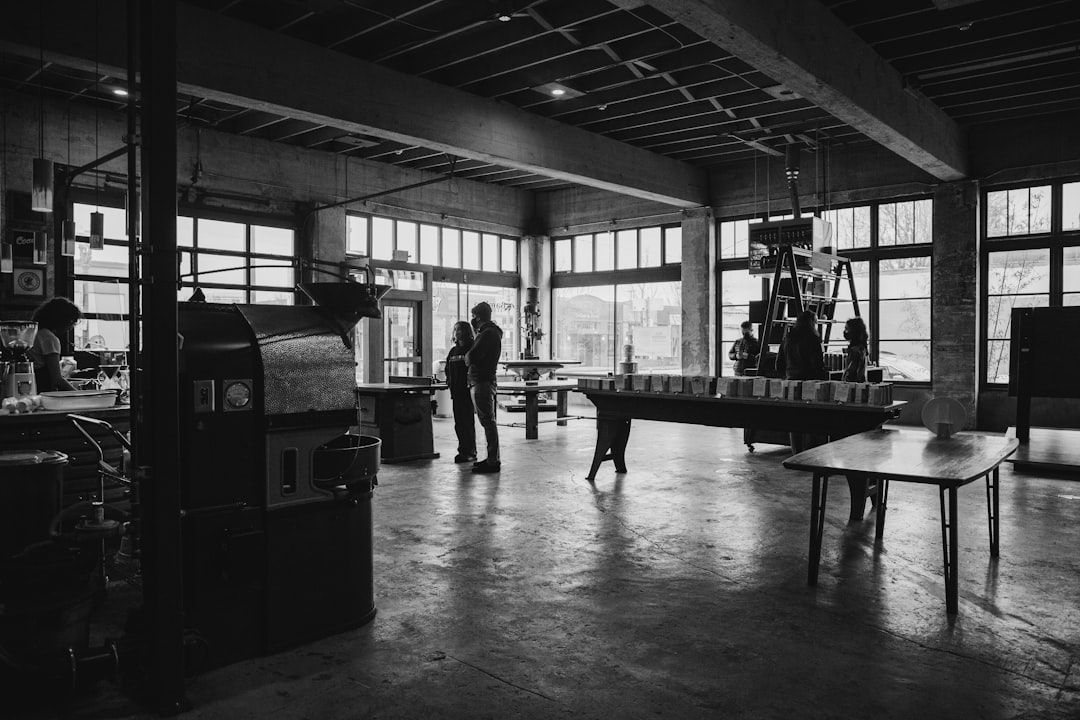
Coava Coffee Roasters represents a different but complementary strand of Portland coffee culture. Known for their striking café spaces — most notably their original location inside a historic industrial building — Coava built its reputation on the idea that the physical environment of coffee drinking matters as much as what's in the cup.
Coava's sourcing philosophy, per their public-facing identity, emphasizes direct relationships with producers and a commitment to quality across the supply chain. Their approach to roasting tends toward the lighter end of the spectrum, preserving the brightness and complexity that their sourcing partners work to achieve at origin. This positions them squarely within the third-wave tradition that Portland helped define.
Where Heart's aesthetic is Nordic and pared-back, Coava's is more Pacific Northwest industrial — exposed wood, high ceilings, a sense that the space itself is an argument for taking coffee seriously. The two roasters are not competitors so much as complementary expressions of what Portland specialty coffee can be.
What Makes Portland's Coffee Scene Distinctive
Several factors combine to make Portland's coffee culture genuinely different from other American cities:
Producer-level transparency is table stakes here, not a differentiator. Roasters who can't name the farm, the farmer, or the processing method are operating at a disadvantage in a market that expects this information.
Light roast dominance is more pronounced in Portland than in most American cities. This reflects both the Nordic influence that shaped roasters like Heart and the broader Pacific Northwest preference for coffees that express origin rather than roast character. Visitors accustomed to darker East Coast or Southern espresso profiles may need to recalibrate.
Café as community space is a genuine value, not just a marketing claim. Portland's independent café culture reflects the city's broader prioritization of neighborhood identity and pedestrian life. The café scene is distributed across the city's diverse neighborhoods rather than concentrated in a single district.
Craft alignment: Portland's coffee scene developed in parallel with, and in conversation with, its craft beer, natural wine, and farm-to-table food culture. The same customer who cares about hop provenance in their IPA tends to care about altitude and processing in their coffee. This cross-pollination raised standards across the board.
Roaster-as-educator: Portland roasters have generally been early adopters of publishing brew recipes, hosting cuppings, and explaining their sourcing decisions in plain language. Heart's publicly available brew guides — covering AeroPress, V60, espresso, Kalita, and drip — exemplify this educational stance.
Visiting Portland for Coffee: Practical Notes
Portland's coffee scene is largely concentrated on the East Side, particularly in neighborhoods like the Central Eastside, Division Street corridor, and Southeast Portland more broadly. The city's walkable neighborhoods and robust public transit (including its MAX light rail) make café-hopping feasible without a car.
Best neighborhoods for café exploration:
- Central Eastside / Burnside corridor: Heart's original location sits here, alongside a dense concentration of creative businesses and independent restaurants
- Southeast Division / Clinton: A walkable stretch with multiple independent cafés and food destinations
- Woodstock / Sellwood: More residential, with neighborhood-serving spots including Heart's Woodstock location
- Northwest Portland / Pearl District: Higher density of newer cafés and food businesses
Practical tips:
- Most Portland specialty cafés close in the early-to-mid afternoon. Plan morning or late-morning visits.
- Tipping culture is strong; 20% is standard at counter-service specialty cafés.
- Portland's tap water is soft and clean — one of the better municipal water profiles in the country for brewing coffee.
- If you're bringing beans home, Heart ships nationally with free shipping on orders over $75.
Beyond the Cup: Portland's Coffee Economy
Portland's coffee scene is not just a consumer experience — it's a meaningful part of the city's broader craft economy. The same forces that drove growth in the technology sector and outdoor brand industry since the 1990s helped create a customer base with disposable income, quality expectations, and a preference for local and independent businesses.
For roasters like Heart Coffee Roasters and Coava Coffee Roasters, wholesale accounts extend their reach beyond their own cafés into restaurants, hotels, and office accounts across the Pacific Northwest and nationally. This wholesale layer is what allows small roasters to invest in better sourcing relationships — the economics of a few hundred café accounts can fund the kind of direct-trade premiums that make producer-named coffees financially viable.
The transparency report model that Heart has embraced is increasingly seen as a best practice across the specialty industry — a way of demonstrating, rather than just claiming, that the premium the customer pays is flowing back toward the people who grew the coffee.
Where to Start
If you're new to Portland coffee and want a single starting point, Heart Coffee Roasters is the natural anchor — their cafés are accessible, their staff are trained to guide newcomers, and their bean lineup provides a clear window into what Portland specialty coffee values. For a second stop, Coava Coffee Roasters offers a different aesthetic and sensibility that completes the picture.
For those who want to explore the scene from home before visiting, Heart's online shop ships nationally, and their transparency reports are worth reading as documents — they tell you more about what serious specialty coffee looks like behind the scenes than almost any marketing copy could.
Roasters featured
Frequently asked questions
- What is Portland, Oregon known for in the coffee world?
- Portland is widely recognized as one of the cities most responsible for shaping the third-wave specialty coffee movement in the United States. Its roasters were early adopters of direct-trade sourcing, producer-level transparency, and light-roast profiles that prioritize origin character over roast character.
- Where should I go for coffee in Portland?
- Heart Coffee Roasters, with locations on E Burnside St and SE Woodstock Blvd, is the most widely recommended anchor for visitors. Coava Coffee Roasters is a strong second stop, known for its striking café spaces and direct-trade sourcing philosophy.
- What are Heart Coffee Roasters' café hours?
- Per their website, Heart's Portland cafés are open Monday through Friday, 7AM–3PM, and Saturday through Sunday, 8AM–3PM.
- Does Heart Coffee Roasters ship nationally?
- Yes. Heart Coffee Roasters sells beans and equipment through their online shop at heartroasters.com, with free shipping on orders over $75.
- What is the difference between second-wave and third-wave coffee?
- Second-wave coffee, associated with chains like Starbucks, built its identity around dark roasts, branded flavor profiles, and scale. Third-wave coffee emphasizes traceability to individual producers, lighter roasts that reveal origin character, and transparency about sourcing and pricing. Portland was a key proving ground for third-wave ideas in the early 2000s.
- Are Portland coffee shops expensive?
- Specialty coffee in Portland is priced similarly to other major West Coast cities. Single-origin espresso drinks and pour-overs at top-tier roasters like Heart typically reflect the premium sourcing behind them, but the city also has a wide range of price points across its café scene.
See also