Discover · By Region
The Montreal Coffee Scene: A Local Guide
Italian heritage, French joie de vivre, and a thriving specialty scene — your definitive guide to coffee in Montréal.
Key facts
- Also called
- Ville-Marie (founded 1642)
- Coffee heritage
- Italian espresso culture and third-wave specialty scene
- Key landmark
- Café Olimpico, family-run since 1970
- Major roaster
- Café Saint-Henri, nine locations
- Language
- 85.7% French-speaking population
- Metro population
- Over 4.29 million (2021 census)
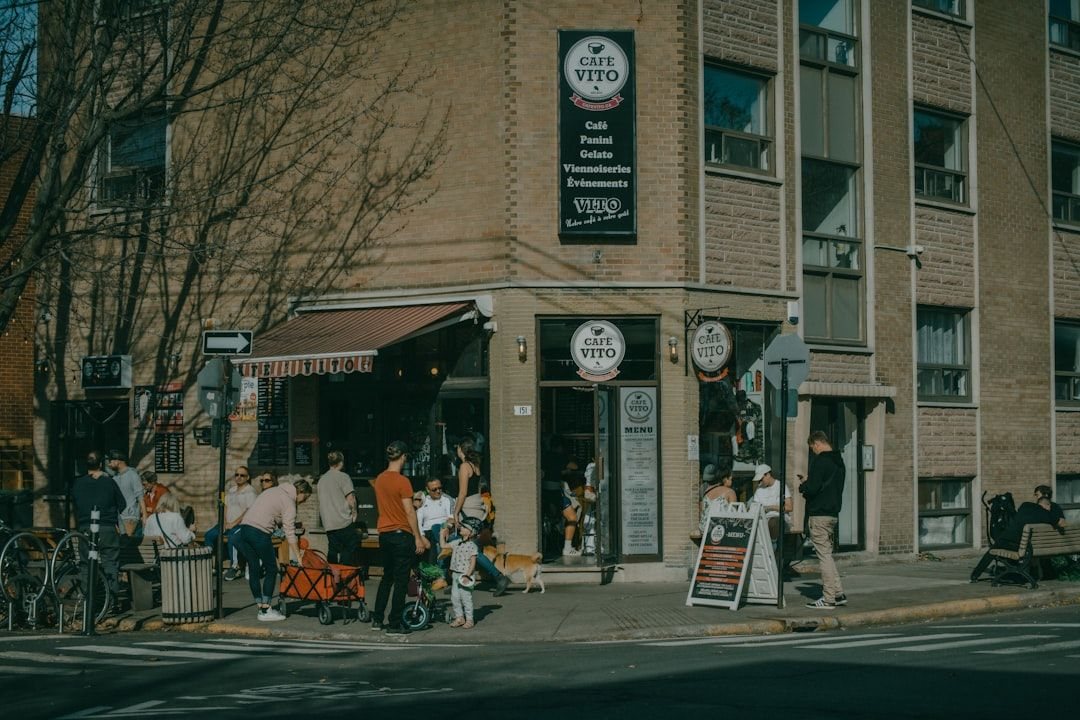
The City Behind the Cup
Montréal is a city of contradictions that somehow cohere beautifully. Founded in 1642 as Ville-Marie on the Island of Montréal, it is today the largest city in Québec, the second-largest in Canada, and — per the 2021 census — home to a metropolitan population of over 4.29 million people. It is officially French-speaking (85.7% of city residents consider themselves fluent in French), yet 58.5% of the population is bilingual in French and English, giving the city a cultural porousness that few North American metros can match.
That same openness shows up in coffee. Montréal has been shaped by successive waves of immigration — Italian, Greek, Portuguese, Lebanese — each of which left a distinct imprint on its café culture. Today those older traditions sit alongside a robust third-wave coffee scene: roasters and cafés obsessed with origin traceability, brew ratios, and single-farm lots. The result is a city where a perfectly pulled ristretto and a carefully weighed V60 filter can coexist on the same block, often in the same arrondissement.
Italian Roots: How Montréal Learned to Love Espresso
To understand Montréal's coffee identity, you have to understand the post-war Italian immigration that transformed the city's neighbourhoods — particularly Little Italy and the Mile End. Waves of Italian newcomers brought with them a deeply embedded espresso culture: the bar as social institution, the short sharp shot as daily ritual, the café as a place to watch football and argue about life.
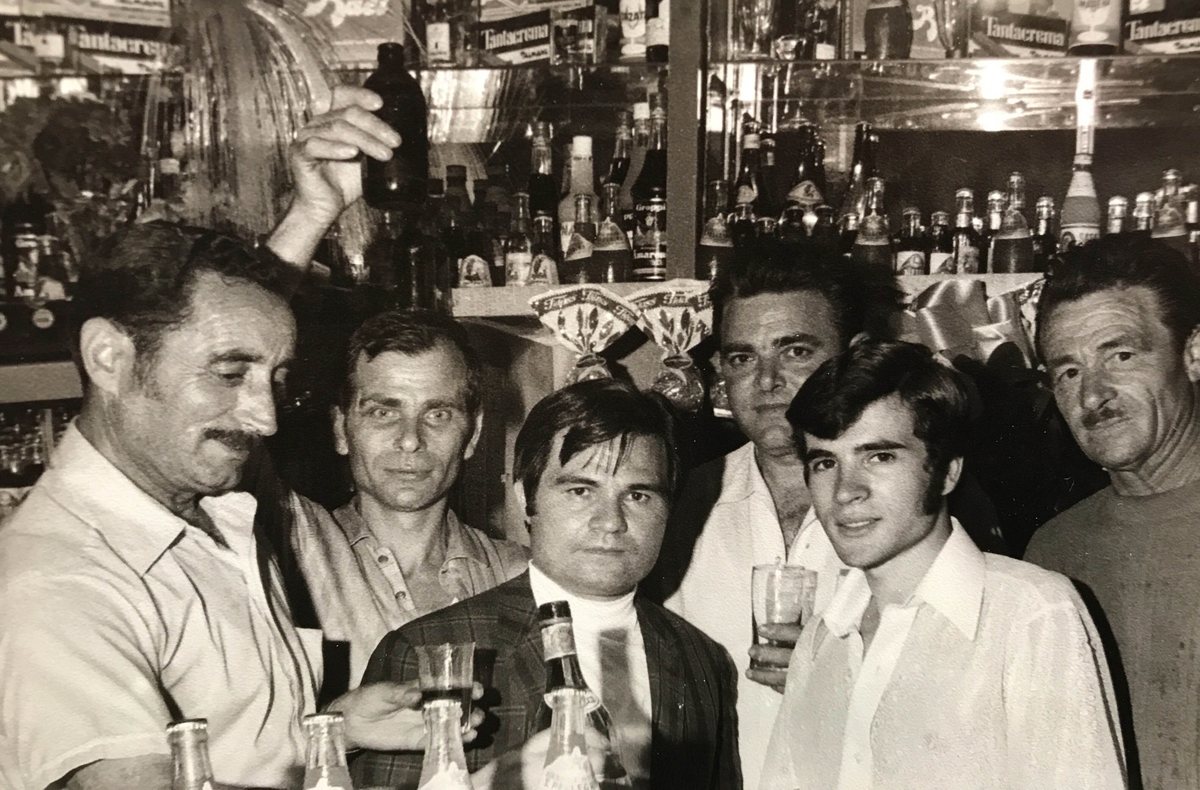
That cultural inheritance is nowhere more visible than at Café Olimpico, a landmark on Rue Saint-Viateur in the Mile End. According to the café's own account, in 1970 an Italian immigrant named Rocco Furfaro purchased a coffee machine, a satellite dish, and a pool table for his new business — originally a place where he and friends could watch the Azzurri play European football. Over fifty years later, Café Olimpico remains family-run and committed, per its site, to "the Italian traditions of authenticity, generosity and family." Coffee lovers from across the city and beyond still congregate at its tables. It is a case study in how a neighbourhood café, when it gets the fundamentals right, can outlast generations of trends.
This tradition is what coffee historians sometimes call second-wave coffee in its most authentic, pre-commercial form: espresso not as a lifestyle accessory but as a daily social glue. Montréal absorbed that culture early and deeply.
The Specialty Turn: Third-Wave Arrives in Montréal
The third-wave coffee movement — with its emphasis on single-origin beans, careful sourcing, and manual brewing methods — found fertile ground in Montréal's dense, university-heavy, café-loving population. By the late 2000s, a new generation of coffee professionals was opening spaces that looked and tasted markedly different from the espresso bars of Little Italy.
Café Myriade
Café Myriade is one of the clearest examples of this transition. Founded in 2008, the café has grown into a multi-location operation across Montréal — with outposts in the Golden Square Mile, Shaughnessy Village, Le Plateau, Mont-Royal, and Westmount — while retaining a focus on craft. Per the café's own site, it has sourced from 49th Parallel Roasters since its founding and has accumulated "numerous accolades" over the years.
What's notable about Myriade's self-presentation is a deliberate humility. Their site states plainly: "we are not a third-wave coffee shop, we are happy to serve you" — a gentle rebuke to specialty coffee's occasional self-seriousness. They describe learning about brewing as ongoing and fun rather than dogmatic. In a city that resists pretension, that posture has clearly worked. Their baked goods, including croissants sourced from Hof Kelsten and pastries now made in-house at their Mont-Royal location (since February 2020 per the site), round out an offer that treats the whole café experience, not just the coffee, as the product.
For milk-based drinks, Myriade specifies Henrietta's milk — a product from cows fed high-quality fodder and grains from Saguenay–Lac-Saint-Jean, with zero additives — chosen partly for its performance in latte art competitions. It is the kind of sourcing detail that signals genuine craft investment without requiring the customer to care about it.
Café Saint-Henri
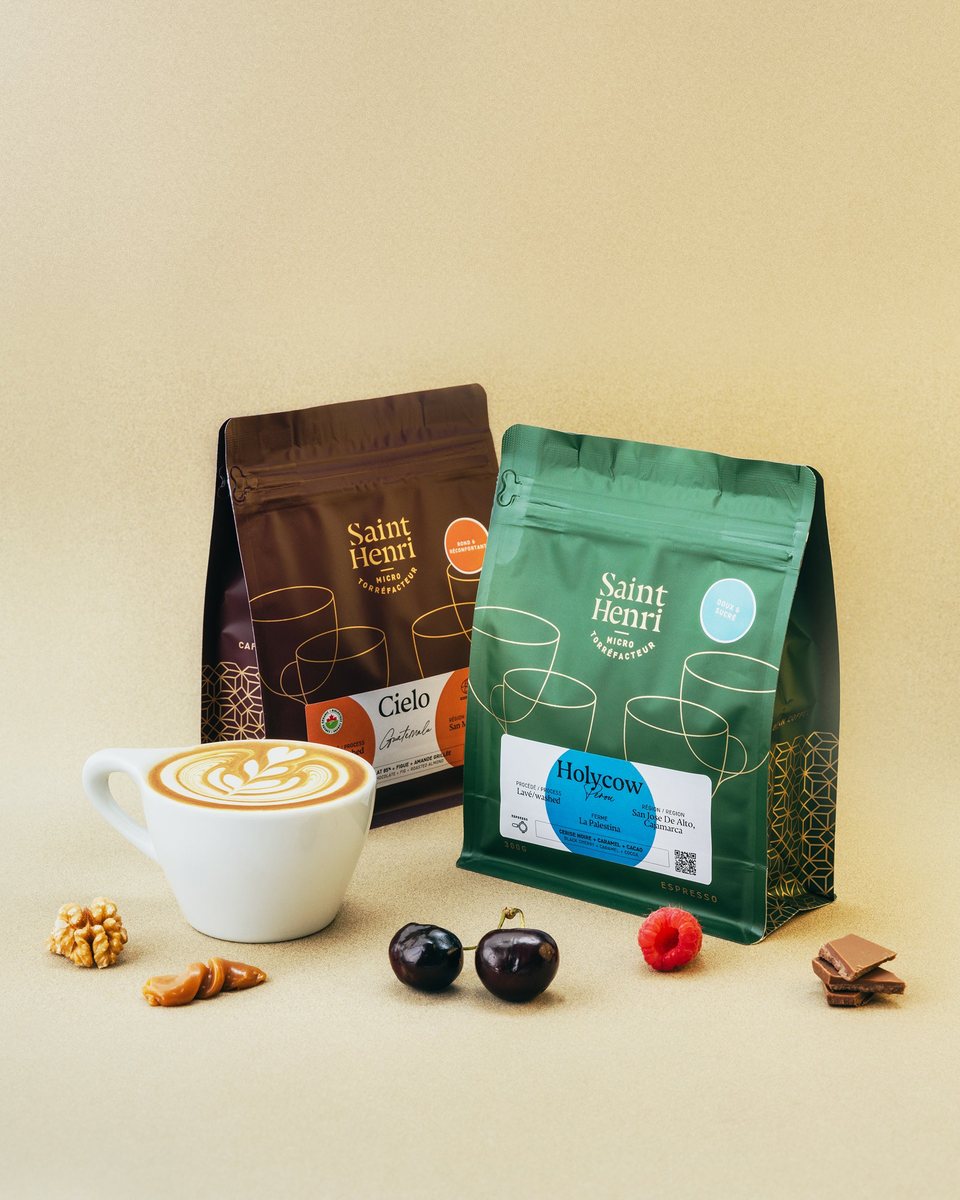
Café Saint-Henri (named for the historically working-class Sud-Ouest neighbourhood it originally called home) is Montréal's most prominent home-grown specialty roaster. According to their site, they now operate nine locations across Montréal and Québec City, have built out a retail webshop, and offer free shipping within Québec on orders over $65 CAD. They also offer subscriptions, brewing guides, and barista training — the full infrastructure of a roaster-retailer operating at serious scale.
The café's website presents them as a micro-roaster and specialty café (cafés de spécialité — micro-torréfacteur), positioning quality and traceability at the centre of the offer. Their retail lineup spans espresso, filter, and capsule formats, and they maintain an equipment partnership with Breville — unusual enough in the specialty world to be worth noting, and indicative of a roaster trying to meet customers across the entire preparation spectrum. Saint-Henri is not yet in our shop, but they are a name any serious Montréal coffee traveller should have in their notes.
Pista
Pista is a smaller, newer name in Montréal's specialty conversation — one that has attracted attention for a more minimal, focused approach. While we do not yet have a full entity profile or research link for Pista, the café is consistently cited within the Montréal specialty community as a destination worth seeking out, particularly for filter coffee. We'll update this guide as we gather more sourced detail.
National Reach: Pilot Coffee Roasters
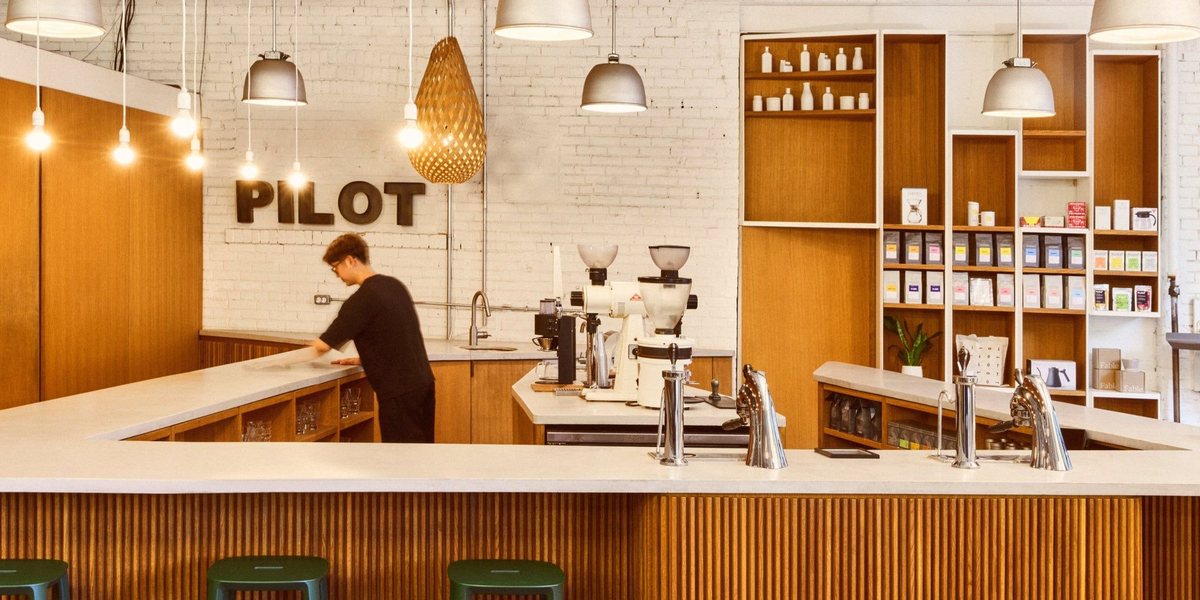
Not every coffee story in Montréal is rooted in Montréal. Pilot Coffee Roasters, headquartered in Toronto, has built a national wholesale and retail presence that puts their beans in cafés across Canada, including in Québec. While Pilot is not a Montréal roaster, their reach means that visitors to the city may well encounter their work poured by a skilled local barista — and their transparent sourcing approach aligns with the values that Montréal's specialty cafés increasingly demand from their roasting partners. You can explore their current lineup directly in our shop.
Neighbourhoods: Where to Drink and Why
Mile End and Little Italy
This is the heartland of Montréal's older café culture. Café Olimpico anchors the Saint-Viateur strip; the surrounding blocks are dense with independent bakeries, bagel shops (the Montréal bagel is its own conversation), and a café-going public that treats sitting over a coffee as a legitimate afternoon activity rather than a transitional state. For anyone tracing the Italian espresso heritage of the city, this is the correct place to start.
Sud-Ouest / Saint-Henri
The neighbourhood that gave its name to one of the city's most important specialty roasters has undergone significant gentrification over the past decade, but retains a gritty, industrial edge that suits a roastery aesthetic well. Café Saint-Henri's original location reflects that character — functional, unpretentious, serious about the cup.
Le Plateau-Mont-Royal
Perhaps the most café-dense neighbourhood in the city, Le Plateau rewards the flâneur. Café Myriade has a presence here, and the neighbourhood's mix of students, artists, and professionals sustains the kind of all-day café culture that serious coffee needs to thrive. Expect long communal tables, French conversations, and a general tolerance for lingering.
The Golden Square Mile and Downtown
The more corporate precincts of the city have historically been less interesting for independent coffee, but Myriade's Mackay Street location demonstrates that quality can survive downtown foot traffic. Worth knowing if you're attending a conference at the Palais des congrès.
What to Order and How to Think About It
Espresso remains the lingua franca of Montréal café culture. Whether you're at a fifty-year-old Italian bar or a precision-focused specialty shop, a well-made espresso is the baseline expectation. Ordering a café allongé (a longer espresso) is common; flat whites and cortados have made inroads in specialty spaces.
Filter coffee — V60, Chemex, batch brew — is the calling card of the newer wave. At Café Myriade and Café Saint-Henri, filter offerings rotate with the seasons and the sourcing calendar. It's worth asking what's currently on the bar.
Milk drinks have their own local character. The prevalence of high-quality Québec dairy (Henrietta's is just one example) means that lattes and cappuccinos often taste noticeably richer than their counterparts in cities relying on industrial milk supplies.
For the visitor navigating both traditions, the honest advice is: don't choose. Have an espresso at Olimpico in the morning, a filter at Saint-Henri or Myriade in the afternoon. Montréal is one of the few cities in Canada where that double itinerary is not only possible but genuinely revelatory.
A Note on Coffee Culture and the City's Character
Montréal was designated a UNESCO City of Design in 2006, and that designation captures something real: the city takes aesthetic seriousness seriously, without letting it tip into pretension. Its café culture reflects the same balance. Café Olimpico has been welcoming "coffee lovers from all over the world" for over fifty years without ever becoming a tourist trap. Café Myriade tells you it's not trying to be a third-wave café while quietly doing most of what the best third-wave cafés do. Café Saint-Henri builds the infrastructure of a serious roaster while positioning free shipping and subscription offers prominently — understanding that the best coffee culture is democratic.
For any traveller planning a visit, Montréal's coffee scene is not a detour from the city's culture. It is an expression of it: historically layered, bilingual, technically serious, and unpretentious enough to still be genuinely enjoyable.
Roasters featured
Frequently asked questions
- What makes Montréal's coffee scene distinctive?
- Montréal's coffee culture is shaped by two strong traditions: a deep Italian espresso heritage — brought by post-war immigrants and exemplified by institutions like Café Olimpico, which has been family-run since 1970 — and a newer specialty coffee movement focused on single-origin beans and careful brewing. The city's bilingual, multicultural character means both traditions coexist and cross-pollinate rather than competing.
- Is Café Olimpico worth visiting?
- Yes, if you're interested in the roots of Montréal's café culture. According to the café's own history, it was founded in 1970 by Rocco Furfaro as a gathering place for Italian immigrants to watch football and drink espresso. Over fifty years later it remains family-run and is consistently cited as a city landmark for traditional Italian-style coffee.
- What is Café Myriade known for?
- Café Myriade has been a fixture of Montréal's specialty coffee scene since 2008, operating multiple locations across the city. Per their site, they have worked with 49th Parallel Roasters since founding, have received numerous accolades, and pride themselves on a welcoming, non-dogmatic approach to coffee. Their milk-based drinks, made with Henrietta's Québec dairy, are particularly well-regarded.
- How many locations does Café Saint-Henri have?
- According to Café Saint-Henri's website, they currently operate nine locations across Montréal and Québec City. They also sell coffee online with free shipping within Québec on orders over $65 CAD and offer subscriptions, brewing guides, and training programmes.
- Is Pilot Coffee Roasters a Montréal brand?
- No — Pilot Coffee Roasters is based in Toronto, but has a national wholesale and retail reach that puts their coffee in cafés across Canada including in Québec. They are available to explore and purchase through our shop at Coffeester.
- Which Montréal neighbourhood is best for coffee?
- It depends what you're after. The Mile End and Little Italy are the heartland of the city's Italian espresso tradition, anchored by Café Olimpico. Le Plateau-Mont-Royal is the most café-dense neighbourhood overall and home to a Café Myriade location. The Sud-Ouest/Saint-Henri area is where the namesake specialty roaster got its start. A full day coffee itinerary could reasonably include all three.
- Do Montréal cafés cater to filter coffee drinkers?
- Yes. While espresso remains the cultural baseline, specialty cafés like Café Myriade and Café Saint-Henri offer rotating filter options using V60, Chemex, and batch brew methods. It's worth asking what's currently on the bar, as offerings change with sourcing seasons.
See also