Discover · Best Of
The Best Single-Origin Coffees of 2026
From Ethiopian naturals to Colombian Geshas, these are the single-origin coffees worth seeking out this year.
Key facts
- Definition
- Coffee from a single farm, region, or country with traceable origin
- Key Categories
- Estate coffees and micro-lot or small-lot coffees
- Processing Methods
- Washed (wet) and natural (dry) processing produce different flavor profiles
- Main Appeal
- Transparency and specific character of place, producer, season
- Authenticity Marker
- Producer name, region, altitude, variety, process disclosed
- Featured Origins
- Ethiopia, Colombia, and other high-altitude producing nations
What Single-Origin Actually Means
The phrase "single-origin" sounds precise, but it covers a surprisingly wide spectrum. According to Wikipedia's entry on single-origin coffee, the term can refer to a single farm, multiple farms within the same country, or simply an entire producing nation — there are no universal rules or governing bodies enforcing the labeling. What unites them is the idea of transparency: a traceable chain from a specific place to your cup.
Within that broad umbrella sit two more specific categories worth knowing:
- Estate coffees are grown on one large farm or a collection of farms that all process at the same mill. Countries like Colombia, Costa Rica, and Brazil are particularly known for estate production.
- Micro-lot or small-lot coffees go even further — they come from a single field, a narrow altitude band, and sometimes a single day of harvest. These are among the highest-quality and most expressive coffees on the market, and they tend to command premium prices accordingly.
For a deeper grounding in how geography shapes flavor, our Coffee Geography guide is an excellent companion read.
Why Single-Origin Matters
Blends are engineered for consistency — a reliable cup that tastes the same whether you're in Tokyo or Toronto. Single-origins do the opposite: they foreground the specific character of a place, a producer, and a season. That's why consumers of specialty coffee are so drawn to them; the transparency is part of the appeal.
That character is shaped in large part by processing method — how the fruit surrounding the coffee seed is removed before drying. The two most common approaches, washed (wet) processing and natural (dry) processing, produce dramatically different flavor profiles. In washed processing, the fruit is removed before drying, resulting in cleaner, brighter cups that tend to highlight a coffee's origin character with clarity. In natural processing, the whole cherry dries intact, allowing the fruit's sugars to ferment into the seed, producing bigger, often wilder fruit flavors. Our Coffee Processing guide covers these methods in depth.
Understanding process helps you navigate the picks below. And once you have a cup in hand, the Coffee Taster's Flavor Wheel is the best tool for putting words to what you're tasting.
A Note on Authenticity and Traceability
One legitimate criticism of single-origin labeling is that it can be gamed. Because there are no universal governing bodies enforcing the category, a bag labeled "single-origin Ethiopia" could mean anything from a micro-lot from a specific washing station to a country-wide blend of anonymous lots. Recent genomic research suggests it may eventually be possible to authenticate a coffee's origin via a DNA fingerprint of the coffee tree — but that technology is not yet mainstream. For now, the best proxy for authenticity is roaster transparency: look for coffees where the producer name, region, altitude, variety, and process are all disclosed on the bag or the roaster's website.
All five coffees below meet that standard.
Ethiopia: Florals, Jasmine, and Blueberry
Ethiopia is the birthplace of Arabica coffee, and its coffees remain the most reliable entry point for drinkers who want to understand what single-origin means in practice. The country's heirloom variety diversity and high-altitude growing conditions combine to produce cups of extraordinary aromatic complexity.
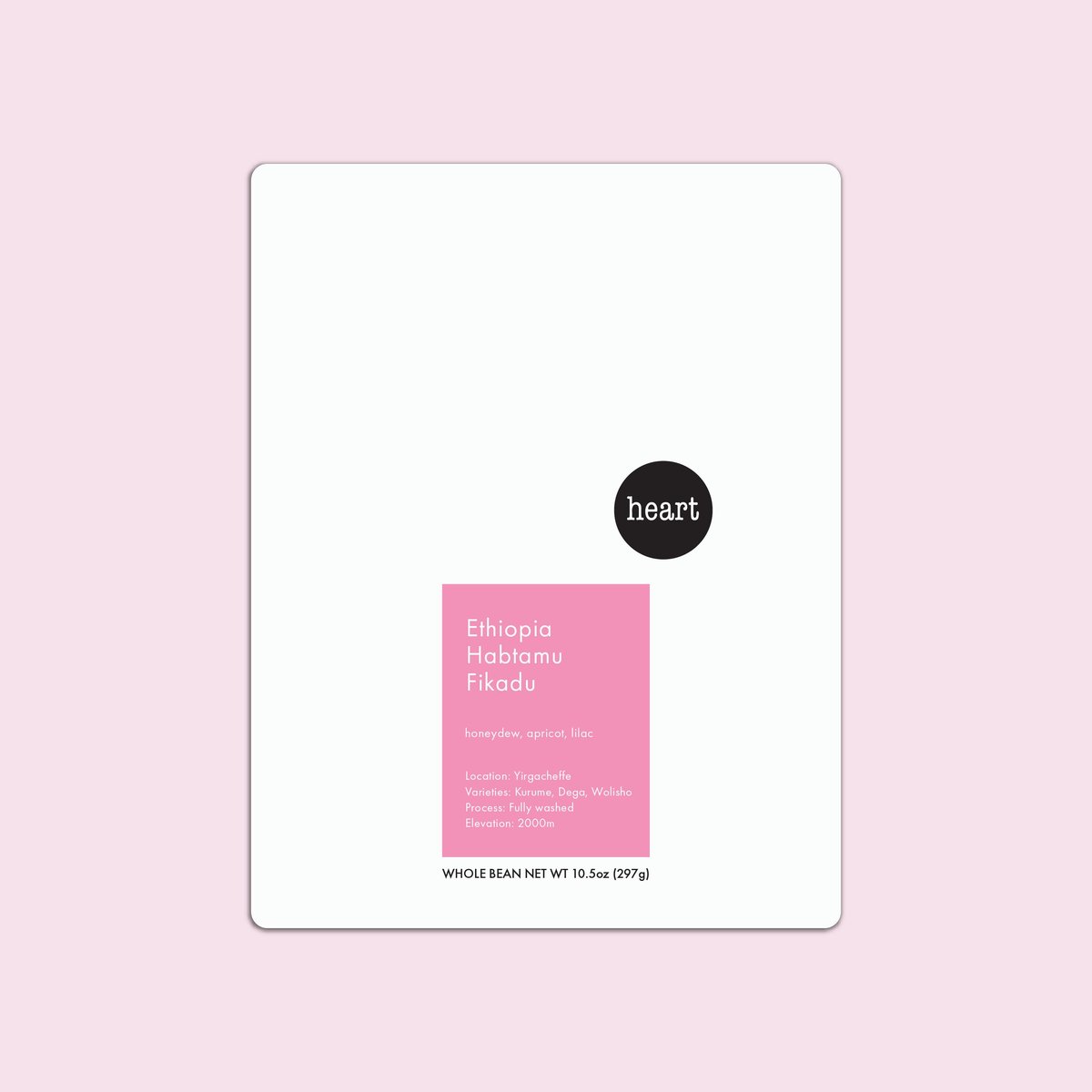
Ethiopia Habtamu Fikadu (Heart Coffee Roasters) is a standout example. Heart Coffee Roasters, based in Portland, has built a reputation for precise, expressive roasting that keeps origin character front and center. This lot is named for its producer — exactly the kind of traceable, producer-named transparency that separates a real micro-lot from a generic country-of-origin offering. Expect the lifted floral and stone-fruit notes that define the best Ethiopian naturals and washed lots.
Best for: Filter brewing — V60 or Chemex — where the aromatics can open up fully. Those new to single-origins will find Ethiopia broadly approachable; experienced drinkers will enjoy comparing this against other Ethiopian lots to map the variation within a single origin.
2026 Boneya Robe; Chorso Bule — Ethiopia (Sey Coffee) takes a different approach: two distinct micro-lots from the same harvest year, presented together. Sey Coffee, the acclaimed Brooklyn roaster, is known for pushing traceability to its logical conclusion, often releasing coffees named to the washing station or individual producer level. Offering two named lots in tandem invites direct comparison and is about as close to origin education in a bag as you can get.
Best for: Side-by-side brewing — brew each lot separately and compare. This is the kind of coffee that rewards curiosity and will meaningfully sharpen your sensory vocabulary. See our flavor wheel guide to help articulate the differences.
Colombia: Altitude, Variety, and Gesha's Ceiling
Colombia's geography — multiple mountain ranges, two annual flowering cycles, and a huge range of altitudes — makes it one of the most diverse origins on the planet. Our Coffee Geography guide explains why altitude correlates so strongly with cup quality: cooler temperatures at elevation slow cherry development, concentrating sugars and building complexity.
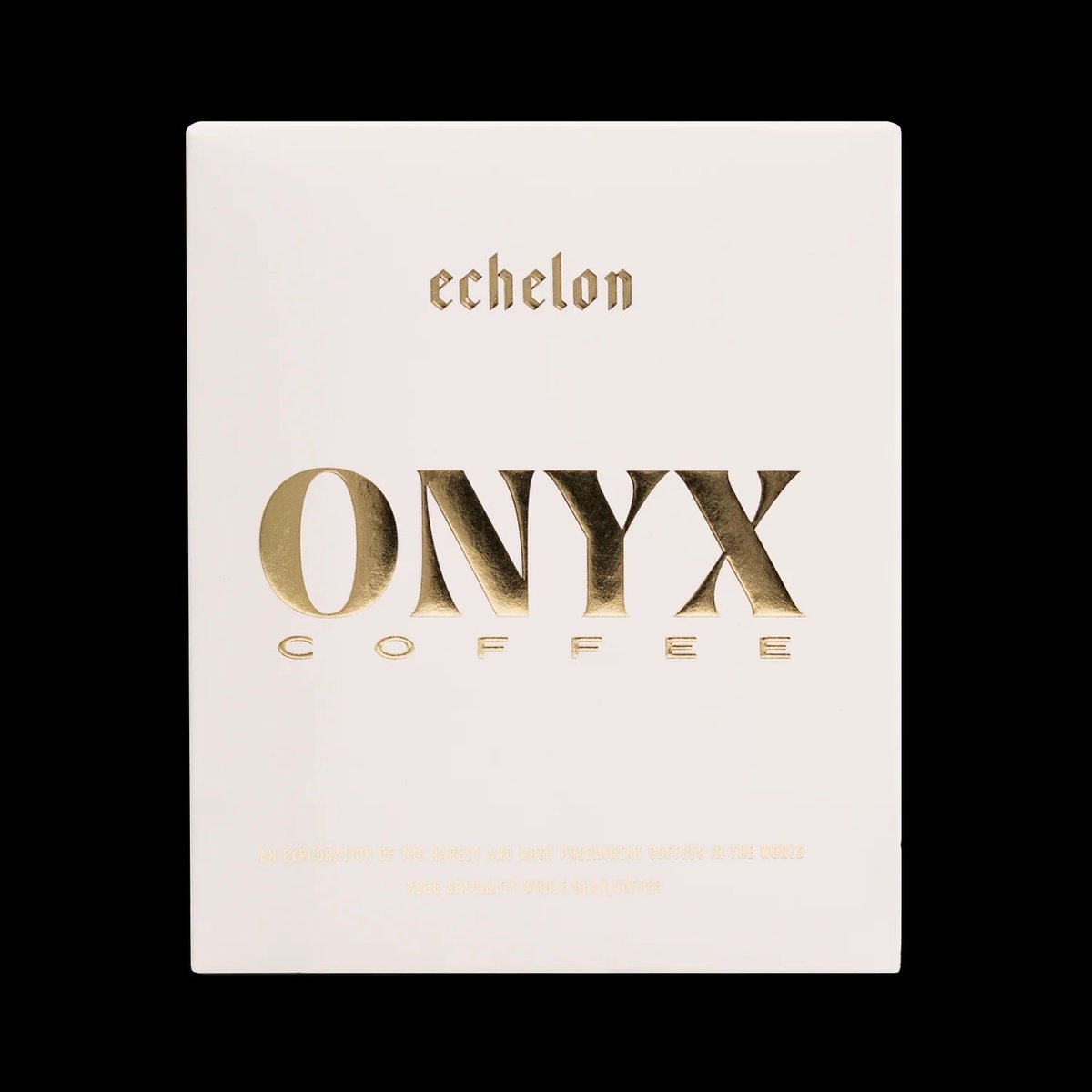
Colombia Doña Martha Gesha (Onyx Coffee Lab) represents the upper tier of what Colombian single-origin can be. The Gesha (or Geisha) variety is one of the most celebrated in specialty coffee — originally from the Gori Gesha forest in Ethiopia, it found a second home in Panama before spreading to progressive Colombian farms. Onyx Coffee Lab, based in Bentonville, Arkansas, has become one of the most decorated roasters in North America, known for competition-caliber sourcing and immaculate roast development. A named-producer Gesha lot is a serious coffee: expect jasmine, bergamot, and delicate tropical fruit, with a tea-like transparency that is unlike almost any other variety.
Trade-off: Gesha lots at this quality level are among the most expensive coffees available. If you're new to specialty coffee, this may be an aspirational purchase rather than a daily driver. But if you've been drinking single-origins for a while and want to understand what the category's ceiling looks like, this is it.
Best for: Light-touch brew methods — pour-over or even cold brew — that don't mask the variety's delicacy. Avoid espresso unless you're experienced with dialing in Geshas, which can be finicky.
Bolivia: Rare, High-Altitude, and Worth Seeking Out
Bolivian coffee is among the least-known and most underrated origins in the specialty world. Production volumes are small, logistics are challenging, and the country rarely appears on mainstream café menus — which is exactly why it's worth paying attention to when a roaster goes to the trouble of sourcing it.
Potosi Natural (La Cabra) is a natural-processed lot from one of Bolivia's historic coffee regions. La Cabra, the Copenhagen-based roaster, has long been a reference point for Scandinavian-style precision roasting — light, expressive, and origin-forward. A natural-processed Bolivian from La Cabra is a combination of high-altitude terroir and fermentation-driven fruit character: expect a rich, candy-like sweetness with the clarity that La Cabra's roast philosophy tends to preserve.
Trade-off: Natural-processed coffees are polarizing. Their fruit-forward, sometimes funky profiles are beloved by many specialty drinkers but can feel overwhelming to those accustomed to washed coffees. If you're new to naturals, this is an excellent introduction because La Cabra's light roast approach tends to keep the fruit notes clean rather than jammy.
Best for: Filter or aeropress. The natural process's sweetness also makes this a candidate for espresso if your palate runs toward fruit-forward shots.
Exploring Processing: Colombia via Square Mile
Zarza (Square Mile Coffee Roasters) rounds out the selection with a coffee that rewards closer inspection of the processing question. Square Mile Coffee Roasters, co-founded by World Barista Champion James Hoffmann and based in London, is one of the most influential roasters in the modern specialty movement, known for rigorous sourcing standards and a commitment to roasting that serves the coffee rather than the roaster's style preferences.
Zarza is a name that points directly to producer or farm identity — the kind of specificity that distinguishes a genuine single-origin from a marketing label. Square Mile's sourcing notes typically disclose variety, altitude, process, and producer, giving buyers the full picture.
Best for: Drinkers who want a masterclass in what a well-sourced, carefully roasted washed or lightly processed Colombian can do. Square Mile's house style tends toward clarity and sweetness, making Zarza a versatile pick that works well as both a filter and — depending on the specific lot's density — a capable espresso.
How to Choose Between These Coffees
The five coffees above span a range of origins, processes, and roaster philosophies. Here's a quick orientation:
| Coffee | Origin | Process | Character | Best Method |
|---|---|---|---|---|
| Heart Ethiopia Habtamu Fikadu | Ethiopia | TBC per bag | Floral, fruit | Pour-over |
| Sey 2026 Boneya Robe; Chorso Bule | Ethiopia | Micro-lot | Complex, comparative | Side-by-side filter |
| Onyx Colombia Doña Martha Gesha | Colombia | Gesha variety | Jasmine, bergamot | Pour-over |
| La Cabra Potosi Natural | Bolivia | Natural | Fruit-forward, sweet | Filter/aeropress |
| Square Mile Zarza | Colombia | Producer-specific | Clean, sweet | Filter or espresso |
If you're new to single-origins, Heart's Ethiopia Habtamu Fikadu is the most accessible starting point — Ethiopia's florals and fruit are the flavors most people associate with specialty coffee's "wow" moment. If you want to explore process, La Cabra's Potosi Natural offers a vivid contrast to any washed coffee you've tried. And if budget allows for one statement purchase, Onyx's Doña Martha Gesha is a genuine benchmark.
The Bigger Picture: What Single-Origin Tells Us
Beyond flavor, single-origin coffee is an argument about value and visibility. When a roaster names a producer — Habtamu Fikadu, Doña Martha — they're acknowledging that the coffee's character begins with a person and a place, not a factory. Coffee production supports an estimated 12.5 million households globally, the majority in developing countries. Traceable, producer-named lots create economic incentives for quality at the farm level that anonymous commodity coffee does not.
Genomics research may eventually make origin authentication airtight. Until then, buying from roasters who name their producers, disclose their sourcing, and pay attention to how the coffee was picked and processed is the best available proxy — and it produces better coffee in your cup as a direct consequence.
For further reading, our Coffee Geography guide and Coffee Processing guide are the best next steps.
Coffees demonstrating this
From our catalog of in-stock beans.
Colombia · Anaerobic Washed
Colombia Doña Martha Gesha
Onyx Coffee Lab · $30
Modern Colombian Geisha with refined florals and elegant structure from El Diviso.
Ethiopia · Fully washed
Ethiopia Habtamu Fikadu
Heart Coffee Roasters · $29
Single origin Ethiopian coffee from Yirgacheffe featuring traditional Kurume, Dega, and Wolisho varieties.
View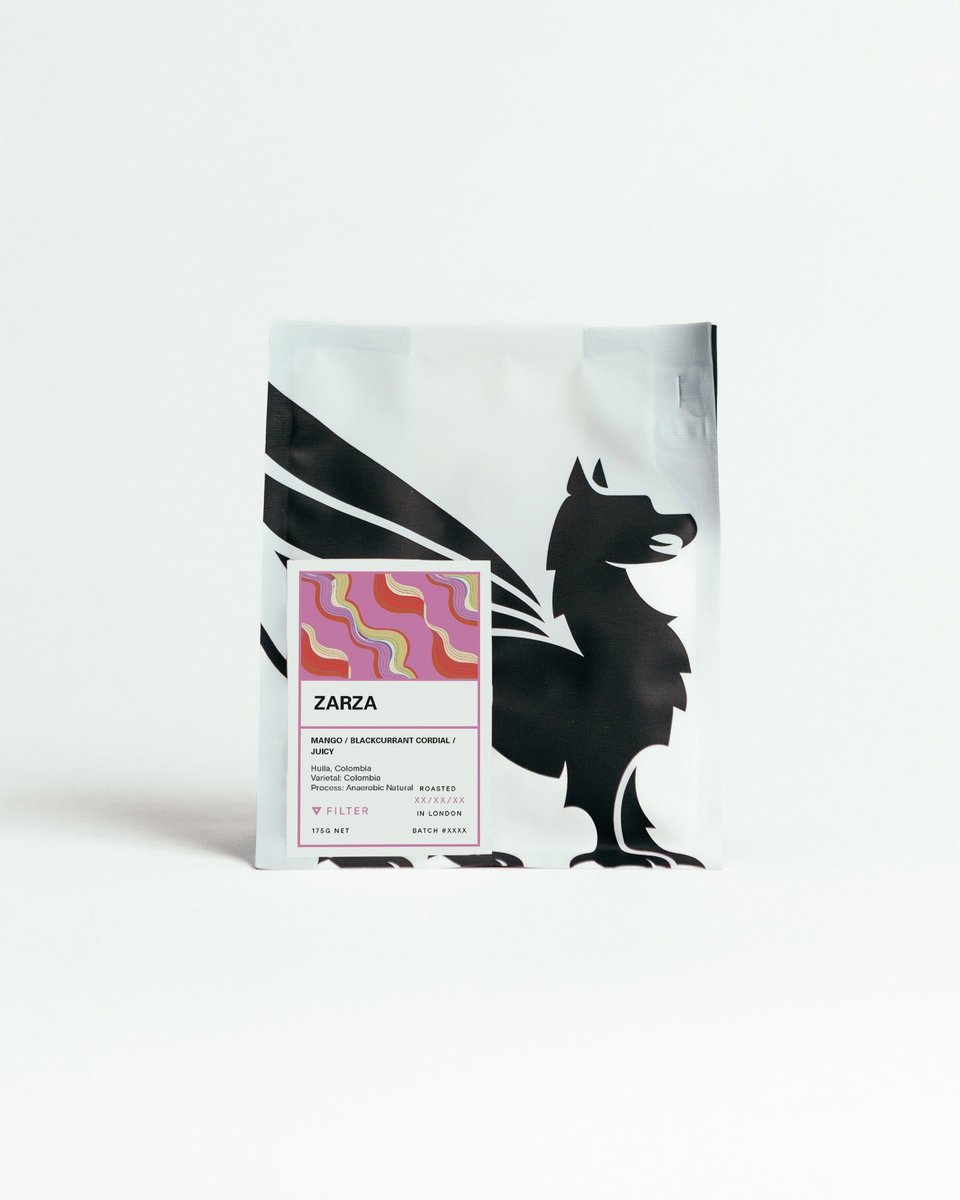
Colombia · Natural
Zarza
Square Mile Coffee Roasters · £18.25
Fruity and candy-like Colombian natural process coffee from Huila producers.
Frequently asked questions
- What is single-origin coffee?
- Single-origin coffee is coffee grown within a single known geographic origin — which can mean a specific farm, a washing station, or even an entire country, depending on how the roaster defines it. There are no universal standards governing the label, so transparency from the roaster (disclosing producer name, region, variety, and process) is the best indicator of genuine traceability.
- What is the difference between single-origin and blend?
- A blend combines beans from multiple origins and is typically engineered for consistency and balance across batches. A single-origin foregrounds the character of a specific place, producer, and harvest — it will taste different from year to year as conditions change, which is considered a feature rather than a bug by specialty coffee drinkers.
- What is a micro-lot coffee?
- A micro-lot is a specific type of single-origin coffee sourced from a single field on a farm, often from a narrow altitude range and sometimes a single day of harvest. Micro-lots are among the highest-quality coffees available and are typically more expensive than broader single-origin lots.
- Is natural-processed coffee better than washed?
- Neither is objectively better — they produce different flavor profiles. Washed (wet-processed) coffees tend to be cleaner and brighter, highlighting origin character with clarity. Natural (dry-processed) coffees, where the whole cherry dries intact, tend toward richer, fruit-forward, sometimes funky profiles. La Cabra's Potosi Natural is a good introduction to naturals if you haven't explored them yet.
- Which single-origin coffee is best for espresso?
- It depends on the specific lot, but Square Mile's Zarza is noted as a versatile pick that can work well as espresso depending on the lot's density. Gesha varieties like the Onyx Colombia Doña Martha Gesha can be spectacular as espresso but require experience to dial in correctly.
- How do I know if a single-origin coffee is authentic?
- While genomic authentication of coffee origin is emerging as a future possibility, the current best approach is to buy from roasters who name the producer, disclose altitude, variety, and process, and publish sourcing information. All five coffees in this guide meet that standard.
See also