Discover · Best Of
The 12 Best US Specialty Coffee Roasters of 2026
A coast-to-coast guide to the roasters defining American specialty coffee right now
Key facts
- Term Origin
- Erna Knutsen coined specialty coffee in 1974
- SCA Standard
- Beans scoring 80 points or above on cupping form
- Core Premise
- Source from farms, roast to reveal bean character
- Light Roasts Best For
- Pour-over, Chemex, AeroPress brewing methods
- Guide Scope
- Twelve specialty roasters across the United States
- Key Movement
- Third-wave coffee matured through 2010s and 2020s
What Makes a Specialty Roaster Worth Your Attention
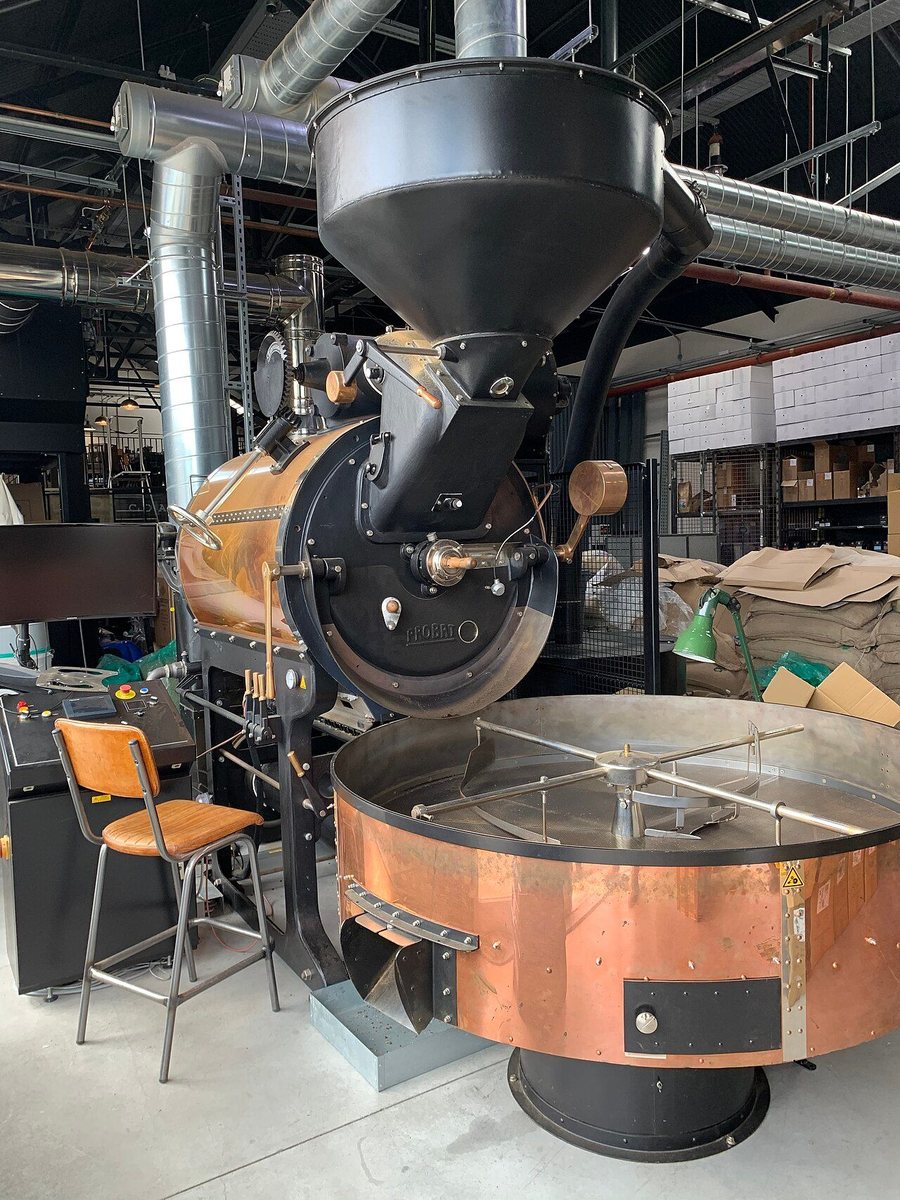
The term "specialty coffee" has a precise origin: Erna Knutsen used it in a 1974 issue of Tea & Coffee Trade Journal to describe beans of the best flavor produced in special micro-climates. Today, the Specialty Coffee Association codifies that standard as any coffee scoring 80 points or above on a 100-point cupping form—with "Outstanding" reserved for 90–100 and "Excellent" for 85–89.99. But scoring alone doesn't make a roaster great. The roasters on this list distinguish themselves by what they do after buying high-scoring green coffee: the roast profile decisions that coax sweetness, acidity, and body into a coherent cup, and the sourcing relationships that give farmers reason to keep producing exceptional lots year after year.
As third-wave coffee matured through the 2010s and into the 2020s, the movement's core premise—that beans should be sourced from farms rather than countries, and roasted to reveal rather than obscure their character—became the baseline expectation at the top tier. The roasters below have not just met that baseline; they've pushed it forward.
How to Choose by Roast Style
Before diving into individual picks, a brief orientation. Roast levels fall on a spectrum from light (often called "filter roast" or "Nordic-style") through medium to dark. Light roasts preserve the origin-driven flavors locked in the green bean—floral aromatics, fruit acids, terroir—while darker roasts develop roasty, chocolatey, and caramel-forward notes through extended Maillard and caramelization reactions. Neither end of the spectrum is objectively better; the right choice depends on your brew method, your palate, and frankly your mood.
- Light/omni roasts → best for pour-over, Chemex, and AeroPress; look for roasters like Heart Coffee Roasters, Sey Coffee, and Onyx Coffee Lab
- Medium/developed roasts → versatile for both espresso and filter; Counter Culture Coffee and George Howell Coffee excel here
- Espresso-forward programs → Intelligentsia Coffee and Sightglass Coffee maintain well-crafted espresso blends alongside their single-origins
Use the Coffee Taster's Flavor Wheel as a reference when reading tasting notes—it gives shared language to the descriptors roasters use on their bags.
The Pacific Northwest
Heart Coffee Roasters — Portland, OR
Heart Coffee Roasters occupies a defining position in Portland's specialty scene. Founded by Finnish-born Wille Yli-Luoma, Heart built its reputation on a Scandinavian-influenced light-roast philosophy: precise, high-transparency roasting that lets single-origin coffees speak in their own voices. Their approach tracks closely with what the third-wave movement originally promised—traceability to specific farms, minimal roast intervention, and clean, articulate cups. Heart is a strong first pick for anyone exploring light-roast filter coffee for the first time, though drinkers who prefer body and roast sweetness over acidity may find the style demanding.
Best for: Nordic-style pour-over enthusiasts, espresso drinkers open to light-roast shots.
California
Sightglass Coffee — San Francisco, CA
Sightglass Coffee has anchored San Francisco's specialty scene from its SoMa roastery since the early 2010s. Brothers Jerad and Justin Morrison built a program that balances accessible, well-developed medium roasts with a serious single-origin lineup—making Sightglass one of the more approachable entry points in California specialty without sacrificing depth. Their flagship blends are designed for espresso, pulling with sweetness and minimal harshness, while their rotating single-origins reward filter brewing.
Best for: Espresso drinkers and those new to specialty who want familiarity alongside exploration.
Intelligentsia Coffee — Los Angeles, CA (also Chicago)
Intelligentsia Coffee is one of the foundational names in American third-wave coffee, with roots going back to Chicago in 1995. Their Direct Trade program—which predates the term becoming industry shorthand—set an early standard for transparent farmer relationships and premium green pricing. The Los Angeles presence has grown into a full roasting and retail operation. Intelligentsia's Black Cat espresso blend remains a benchmark for the style, and their single-origin filter offerings consistently hit the upper ranges of the SCA's "Excellent" band. Trade-off: wider distribution means some lots sell quickly; subscription is the most reliable way to access their best seasonal coffees.
Best for: Espresso traditionalists and specialty newcomers who want institutional credibility behind every bag.
The South & Southeast
Onyx Coffee Lab — Rogers, AR
Onyx Coffee Lab has become one of the most decorated roasters in the country, with multiple US Roasting Championship and Barista Championship wins to their name. Based in northwest Arkansas, Onyx punches well above the expectations of its geography. Their sourcing is aggressive—pursuing micro-lots and competition-grade Geisha and Washed Ethiopian coffees—and their roasting sits in a precision light-to-medium range that rewards both espresso and filter. The Southern Weather blend is a perennial crowd-pleaser; their limited "Geometry" series is aimed squarely at the collector end of the market.
Best for: Competition coffee enthusiasts, adventurous palates, and anyone chasing the SCA's "Outstanding" tier at home.
Black & White Coffee Roasters — Wake Forest, NC
Black & White Coffee Roasters emerged from the competitive barista circuit and applies that same precision to their roasting program. Operating out of North Carolina, they bring a methodical, data-driven approach to sourcing and roasting that shows in cup consistency. Their offerings skew light-to-medium, with particularly strong results on washed Central American and East African lots. Black & White is less widely known than some peers on this list, which often means better availability on their most exciting seasonal releases.
Best for: Barista competition followers, those who appreciate technical rigor and consistent quality over flashy branding.
Counter Culture Coffee — Durham, NC
Counter Culture Coffee has operated out of Durham since 1995, making it one of the longest-running specialty roasters in the country. Their commitment to transparent sourcing, environmental sustainability, and coffee education (through their nationwide training centers) has made them a reference point for the industry. The Toscano espresso blend and the Apollo medium roast are institution-level offerings, and their annual transparency report—detailing farm-level pricing—is a model others in the industry aspire to. Counter Culture is among the best choices for drinkers who want specialty coffee with clear ethical scaffolding.
Best for: Ethically minded buyers, espresso drinkers, and anyone who wants educational resources alongside great coffee.
The Northeast
Sey Coffee — Brooklyn, NY
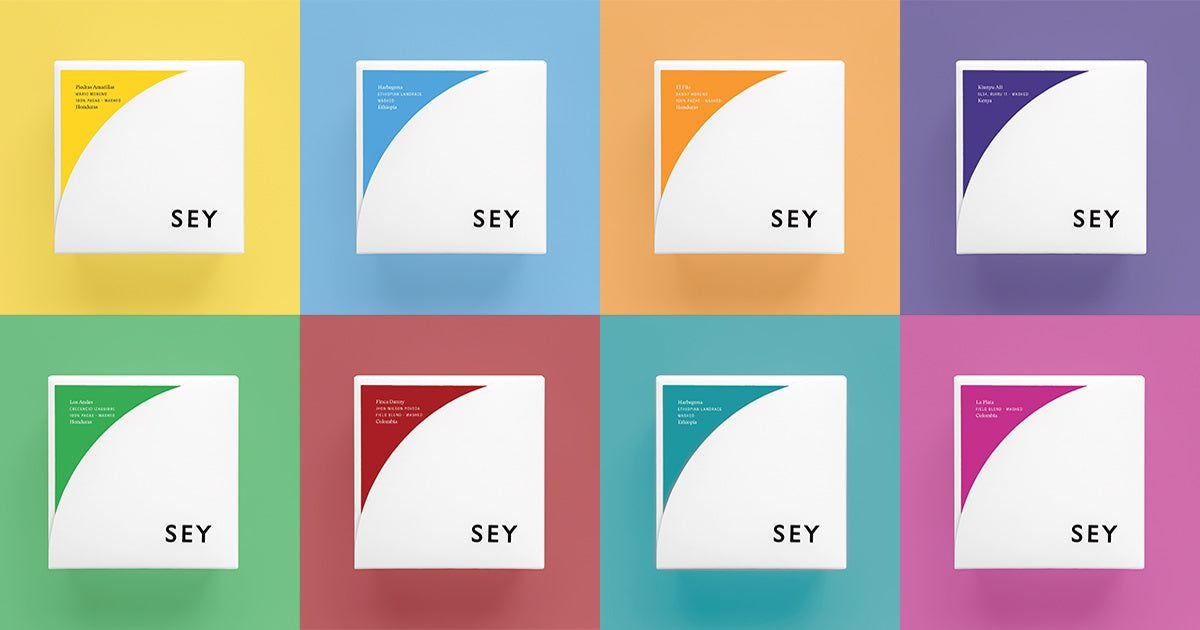
Sey Coffee operates out of Bushwick and has quietly become one of the most respected light-roast roasters in the country. Their approach is almost austere in its focus: a small, rotating roster of single-origins, roasted to very light profiles that emphasize the aromatic complexity of high-altitude washed coffees. Sey's sourcing tends toward Ethiopia, Colombia, and Kenya—origins that, under their light touch, yield cups full of florals, citrus, and stone fruit. The trade-off is real: these coffees demand attentive brewing and a calibrated grinder; forgiving, full-bodied cups they are not.
Best for: Experienced filter brewers, anyone exploring the high end of the flavor wheel, New York locals who can buy in-store at peak freshness.
George Howell Coffee — Acton, MA
George Howell Coffee carries perhaps the deepest historical credibility of any roaster on this list. Howell founded the Coffee Connection in Boston in 1975—one of the earliest specialty roasters in the country, cited in third-wave histories as a direct antecedent to the movement. His current operation in Massachusetts continues that legacy with meticulous sourcing and a medium-light roast style that prioritizes sweetness and balance over edge. Howell has long championed terroir-focused coffee, and his sourcing in Central and South America reflects decades of direct producer relationships.
Best for: History-conscious coffee drinkers, those who find ultra-light roasts too austere but want full origin expression.
The Midwest
Ruby Coffee Roasters — Nelsonville, WI
Ruby Coffee Roasters operates from a small town in central Wisconsin, which makes their national reputation all the more striking. Ruby built a following through meticulous light-to-medium roasting, exceptional mail-order reliability, and a house style that emphasizes clarity and sweetness equally. Their Creamery blend—designed for both espresso and milk drinks—has become something of a cult offering, balancing caramel sweetness with enough brightness to stay lively. Ruby is also notable for its remarkably consistent quality across both single-origins and blends, which is harder to achieve than it sounds.
Best for: Home espresso brewers, those who want a reliable subscription from a smaller independent, and anyone tired of bicoastal roaster hype.
Passenger Coffee — Lancaster, PA
Passenger Coffee is based in Lancaster, Pennsylvania—hardly a city that commands instant coffee-world attention—but their sourcing program and roasting precision have earned them a following well beyond the mid-Atlantic. Passenger tends toward light roasts with a particular strength in washed African and Central American coffees. Their retail cafes in Lancaster and beyond serve as real-world testing grounds for their production roasting, which shows in the tight feedback loop between café feedback and roast adjustments.
Best for: Mid-Atlantic residents wanting a locally rooted but nationally calibrated roaster; filter-first households.
What These Roasters Share—And Where They Differ
Across twelve roasters and five regions, a few throughlines emerge. Every roaster here works within the SCA's specialty framework—sourcing coffee that meets or exceeds the 80-point threshold, with most regularly sourcing in the Excellent (85–89.99) and Outstanding (90+) ranges. All of them engage in some form of direct or transparent sourcing that goes beyond commodity purchasing.
Where they diverge is instructive:
- Roast philosophy: Sey and Heart push the lightest profiles; Counter Culture and Intelligentsia occupy a wider middle range; Sightglass keeps espresso-friendly development.
- Scale: Intelligentsia and Counter Culture operate at larger scale with national retail footprints; Ruby and Black & White are deliberately small, which affects lot availability.
- Specialty focus: Onyx skews hard toward competition and ultra-premium micro-lots; George Howell emphasizes a more classical, balance-forward aesthetic.
- Education: Counter Culture's training center network and George Howell's long publishing history make both exceptional choices for drinkers who want to learn alongside buying.
The right roaster for you is ultimately the one whose sourcing values and roast style align with how you brew and what you taste for. Start with one bag from a roaster whose region or philosophy interests you, brew it on your preferred method, and use the flavor wheel to articulate what you're experiencing. That's how the specialty coffee habit properly begins.
Roasters featured
George Howell Coffee
Acton, United States
Sey Coffee
Brooklyn, United States
Counter Culture Coffee
Durham, United States
Passenger Coffee
Lancaster, United States
Sightglass Coffee
San Francisco, United States
Intelligentsia Coffee
Chicago, United States
Heart Coffee Roasters
Portland, United States
Black & White Coffee Roasters
Wake Forest, United States
Ruby Coffee Roasters
Nelsonville, United States
Onyx Coffee Lab
Rogers, United States
Frequently asked questions
- What does 'specialty coffee' actually mean?
- Specialty coffee is defined by the Specialty Coffee Association as coffee scoring 80 points or above on a 100-point cupping form. The term was coined by Erna Knutsen in 1974 to describe beans of exceptional flavor grown in specific micro-climates. Scoring tiers run from Very Good (80–84.99) through Excellent (85–89.99) to Outstanding (90–100).
- Are light roasts better than dark roasts?
- Neither is objectively superior—they serve different preferences and brew methods. Light roasts preserve origin-driven flavors like florals and fruit acids; dark roasts develop roasty, chocolatey, and caramel-forward notes. For filter brewing, lighter roasts typically shine; for espresso with milk, a medium-to-dark developed roast often integrates better.
- How do I know if a roaster sources ethically?
- Look for roasters who publish transparency reports (Counter Culture does this annually), who name specific farms and cooperatives on their bags, and who use Direct Trade or verifiable relationship-based sourcing. Price paid to farmers is the most concrete indicator—roasters willing to share that data publicly are generally the most trustworthy.
- Which of these roasters is best for espresso?
- Intelligentsia's Black Cat blend and Counter Culture's Toscano are long-established espresso benchmarks. Sightglass and Ruby Coffee Roasters also maintain strong espresso-focused offerings. Onyx Coffee Lab's competition-honed program can yield exceptional espresso from their light-roast single-origins if your equipment is well-dialed.
- Can I order from all of these roasters online?
- All twelve roasters on this list offer direct-to-consumer online ordering or subscriptions. Coffeester profiles and shop links are available for Heart, Onyx, Sey, George Howell, Intelligentsia, Counter Culture, Ruby, Black & White, Passenger, and Sightglass—click through to find current offerings and subscribe.
- What is the third wave of coffee?
- The third wave is a movement in specialty coffee, primarily in the United States, emphasizing high-quality single-origin beans, lighter roasts designed to highlight distinctive flavors, and direct relationships with farmers. The term is generally attributed to coffee professional Trish Rothgeb, who used it in a 2003 article, though Timothy J. Castle used the phrase as early as 1999.
See also