Guides · How To
How to Store Coffee Beans for Freshness
A practical, science-backed guide to containers, routines, and the freezer debate — so every cup tastes as good as the first.
Key facts
- Primary Storage Threat
- Oxygen exposure and oxidation
- Best Storage Window
- Days 7–21 post-roast
- Ground vs. Whole
- Ground goes stale much faster
- Ideal Container Type
- Opaque, airtight, vacuum-sealed
- Key Storage Enemies
- Oxygen, light, heat, moisture
- Pre-ground Shelf Life
- Within one week of opening
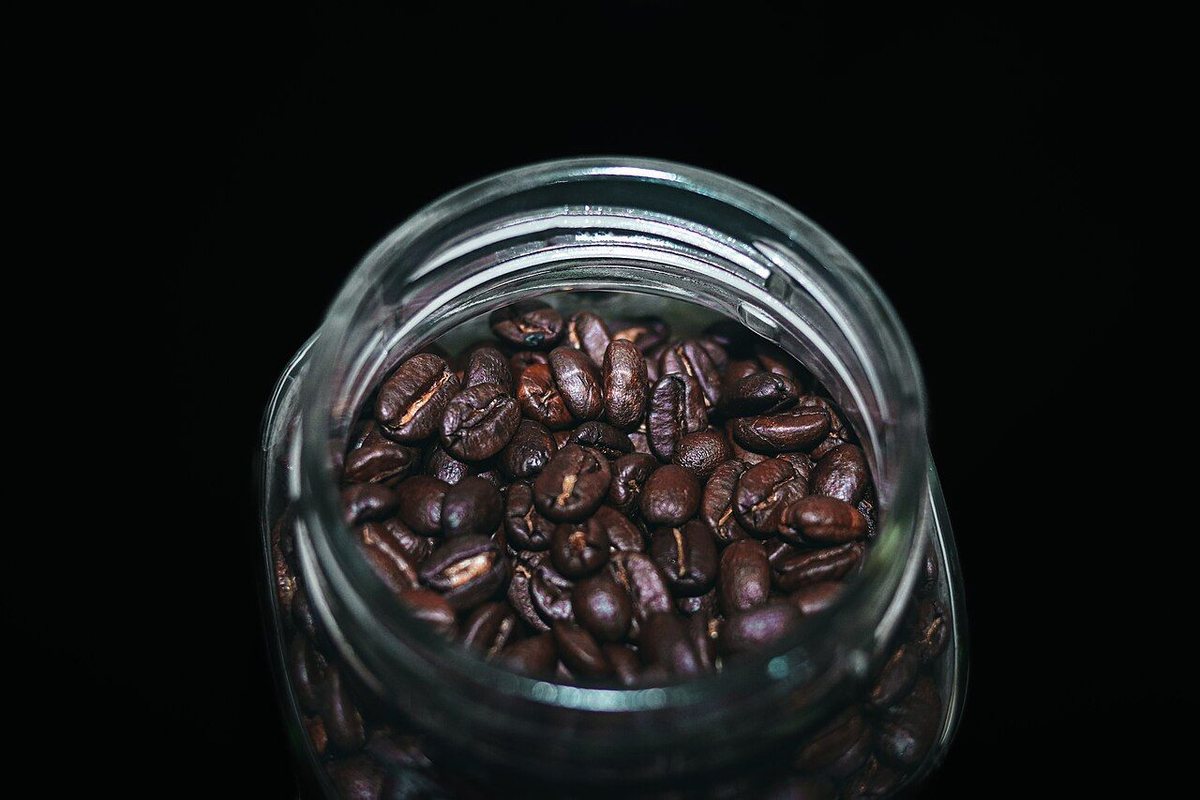
The Four Enemies of Fresh Coffee
Before choosing a container or debating the freezer, it helps to understand exactly what is attacking your coffee. There are four culprits, and they work together.
Oxygen is the primary villain. The moment roasted coffee is exposed to air, oxidation begins breaking down the aromatic compounds responsible for brightness, floral notes, and fruit-forward flavour. As noted in Wikipedia's overview of coffee preparation, whole roast coffee and ground coffee are often vacuum-packed commercially precisely to prevent oxidation and extend shelf life — a recognition that air exposure is the single most damaging factor in storage.
Light, particularly UV light, accelerates the same chemical degradation that oxygen drives. This is why quality roasters package coffee in opaque or foil-lined bags rather than clear containers, and why a sunny kitchen windowsill is one of the worst places to keep a bag of beans.
Heat speeds up virtually every chemical reaction inside a roasted bean. Ambient warmth — even the gentle warmth near a stove or under cabinet lighting — pushes stale flavours forward and collapses delicate volatile aromas faster than cool storage would.
Moisture is the most insidious enemy because it compounds the other three. Water vapour triggers hydrolysis of aromatic compounds and can encourage mould in extreme cases. It also clumps ground coffee and ruins the consistency of any grind. Kitchens are humid environments by nature, so the container you choose matters enormously.
Understanding these four factors explains almost every practical storage recommendation that follows.
Whole Bean vs. Ground: Why the Difference Matters
Grinding dramatically increases the surface area of coffee exposed to oxygen, light, heat, and moisture. A whole bean has a relatively small exterior surface; once ground, that same mass of coffee presents an enormous combined surface area to the air. The result is that ground coffee goes stale many times faster than whole-bean coffee stored under the same conditions.
The coffee preparation process makes clear that grind freshness is one of the key variables influencing extraction and flavour — alongside water temperature, brew time, and brew ratio. An unevenly stale grind (where some particles have oxidised more than others) produces an unpredictable extraction with muted aromas and a flat, papery finish.
The practical rule: buy whole beans and grind immediately before brewing. Even a burr grinder's worth of pre-ground coffee sitting in a hopper overnight will taste noticeably duller than the same beans ground fresh. If you do buy pre-ground — for convenience, travel, or a specific brewing method — consume it within a week of opening, and store it in the best airtight container you have.
For a deeper look at why freshness starts at the roaster and not just at home, our guide to degassing and freshness explains the CO₂ off-gassing process that continues for days after roasting and why beans need a brief rest before brewing at their best.
The Roast Date: Your Freshness Clock
Every storage decision you make is downstream of one fundamental variable: how long ago were these beans roasted? As Wikipedia's coffee roasting article explains, green coffee is significantly more stable than roasted beans — roasting is specifically what creates the volatile aromatic compounds that make coffee delicious, and those same compounds are in a slow state of decay from the moment the roast ends.
Some home enthusiasts roast their own coffee precisely to ensure the freshest possible roasted beans, according to the same source. For those buying retail, the roast date (not a vague "best before" date) is the number to look for on the bag.
- Days 3–7 post-roast: CO₂ is still actively degassing; espresso may taste gassy and slightly hollow. Filter coffee from many lighter roasts can be excellent in this window.
- Days 7–21 post-roast: The sweet spot for most specialty roasts. Degassing has settled, aromatics are fully expressive.
- Days 21–42 post-roast: Still good with proper storage, though the more delicate floral and citrus notes described in coffee preparation literature will begin to soften.
- Beyond 6 weeks: Drinkable but noticeably less vibrant. Dark roasts, with their higher oil content, can go rancid rather than simply stale.
For more on how roast development and bean age interact, see our green coffee storage and aging guide.
Choosing the Right Container
Not all "airtight" containers are equal, and some marketed as coffee storage solutions have meaningful design differences worth understanding.
One-Way Valve Bags
The bags used by most specialty roasters feature a one-way degassing valve — a small membrane that allows CO₂ produced by freshly roasted beans to escape without letting oxygen in. These bags are excellent for the first week or two, particularly if you squeeze out excess air before resealing. If your roaster's bag has a resealable zip, use it every time.
Vacuum-Sealed Containers
Vacuum canisters — where you manually pump out air after each use — are one of the most effective home storage options. They address the oxygen problem directly, and when made from opaque or dark materials, they handle the light problem simultaneously. The trade-off is slightly more effort per use, which means some users stop pumping the vacuum consistently over time.
Ceramic and Opaque Airtight Jars
A well-sealed ceramic or dark glass jar kept in a cool, dark cupboard is a practical and affordable solution that many coffee drinkers use successfully. The key word is opaque: a beautiful clear glass jar on the counter combines three of the four enemies (light, heat from ambient kitchen warmth, and air through a seal that is rarely as tight as it looks).
What to Avoid
- Clear glass or acrylic containers on the counter — attractive but counterproductive.
- Grinder hoppers as long-term storage — many home grinders have transparent hoppers that sit in warm, light-exposed positions. Fill the hopper only with what you'll use in a day or two.
- Paper bags without resealing — the craft paper bags from some roasters are packaging, not storage.
The Freezer Debate: A Practical Answer
Few topics generate more disagreement among coffee enthusiasts than freezing. Here is what the evidence and established practice actually support.
The case for freezing: Cold temperatures dramatically slow oxidation and the loss of volatile aromatics. For long-term storage — a second bag bought in bulk, or beans you won't reach for several weeks — the freezer is genuinely effective if done correctly.
The critical condition: moisture and condensation. When a cold container of coffee is brought into a warm kitchen, condensation forms on the beans. That moisture is absorbed almost immediately by the porous, roasted bean structure, accelerating the very degradation you were trying to prevent. This is why the most common freezer failure isn't freezing itself — it's incorrect thawing.
How to Freeze Coffee Correctly
- Portion before freezing. Divide beans into single-session portions (enough for one week of brewing, for example) in small, airtight zip-lock bags or vacuum-sealed pouches before freezing. Never freeze the whole bag and return it to the freezer repeatedly.
- Remove air completely. Press out every bit of air from the freezer bag before sealing. A vacuum sealer is ideal here.
- Thaw without opening. When you want a portion, take it from the freezer and let it come to room temperature — in its sealed container — before opening. This prevents condensation forming on the beans. Allow at least an hour.
- Never refreeze. Once thawed, treat the beans as you would fresh coffee: use within two weeks, store in an airtight container at room temperature.
For occasional home use — buying a larger quantity at once from a roaster you love — this approach means you can preserve quality well beyond the typical 4–6 week fresh window.
A Practical Daily Storage Routine
All of the theory above collapses into a simple daily habit. Here is a routine that works for most home coffee setups:
Step 1 — Buy in the right quantities. Purchase enough beans to last 2–3 weeks at a time. This keeps you within the optimal freshness window without requiring freezing for everyday use. If you brew one or two cups daily, a 250 g bag is typically a two-week supply.
Step 2 — Transfer to a proper container immediately. If your bag doesn't reseal well, transfer beans to an opaque, airtight container as soon as you open the bag. Keep it in a cool, dark cupboard — away from the stove, the kettle, and any window.
Step 3 — Grind only what you need. Weigh your dose, grind immediately before brewing, and return the container to the cupboard. Precision here matters more than people expect: the coffee preparation variables that most affect cup quality — grind freshness, grind consistency, brew ratio — are all connected to this single step.
Step 4 — Track your roast date. Write the roast date on a piece of tape on your container if the bag seal is lost. Knowing where you are in the freshness curve helps you adjust: brew a slightly higher dose as beans age past three weeks, or pull a slightly shorter extraction to compensate for reduced solubility in older beans.
Step 5 — Dial in your brewer, not your storage. Even the best storage is a complement to good brewing. If you're investing in quality beans and proper containers, a reliable brewing setup rewards that investment. Our Fellow Stagg EKG kettle, for example, holds precise temperatures that let you extract the best from beans at any point in their freshness window — particularly useful for coaxing brightness from beans that are approaching the three-week mark.
Quick-Reference: Storage at a Glance
| Scenario | Recommended approach |
|---|---|
| Everyday use, 1–2 weeks | Opaque airtight container, cool dark cupboard |
| 2–4 weeks supply | Vacuum canister or resealed valve bag |
| More than 4 weeks | Portion and freeze; thaw sealed before opening |
| Pre-ground coffee | Use within 5–7 days; vacuum container preferred |
| Grinder hopper | Fill for 1–2 days maximum |
Summary: The Principles Behind the Practice
Every effective coffee storage method is simply a way of controlling the same four variables: oxygen, light, heat, and moisture. Whole beans beat ground coffee on every axis because they present less surface area to those four enemies. The fresher the roast date, the more there is to protect — and the more rewarding proper storage becomes.
The freezer works, with discipline. Airtight, opaque containers work, with consistency. The daily routine of grinding immediately before brewing is the single highest-impact habit a home coffee drinker can adopt, because no container compensates for grinding the night before.
For those who want to go deeper, our articles on degassing and freshness and green coffee storage and aging cover the science behind what happens inside the bean itself — from harvest through roast and into your cup.
Gear for this
Frequently asked questions
- How long do whole coffee beans stay fresh?
- Most specialty roasters and coffee professionals consider whole beans at their peak between 7 and 21 days post-roast. With proper airtight, opaque storage in a cool location, quality remains acceptable for up to 4–6 weeks. Beyond that, the more delicate aromatic notes — florals, citrus brightness — begin to flatten noticeably.
- Should I store coffee in the fridge?
- The refrigerator is generally not recommended for everyday coffee storage. Fridges are humid environments with fluctuating temperatures every time the door opens, and coffee readily absorbs odours from other foods. The freezer (used correctly with portioned, airtight containers and proper thawing) is the better long-term option if you need to store beans beyond a few weeks.
- Does grinding fresh really make a noticeable difference?
- Yes — this is one of the most impactful changes a home brewer can make. Grinding dramatically increases the surface area of coffee exposed to oxygen, causing ground coffee to stale many times faster than whole beans. Even coffee ground an hour before brewing will taste measurably flatter than the same beans ground immediately before the brew.
- Can I freeze coffee beans?
- Yes, but only if you do it correctly: portion beans into single-use quantities before freezing, remove all air from the container, and always let the sealed container come fully to room temperature before opening. Never refreeze thawed beans. Done carefully, freezing can preserve quality well beyond the typical 4–6 week fresh window.
- What is a one-way valve bag and does it actually help?
- A one-way degassing valve is a small membrane on specialty roaster bags that lets CO₂ — produced naturally by freshly roasted beans — escape without letting outside air in. These bags are genuinely effective packaging for the first week or two post-roast. Squeeze out excess air and reseal the zip after each use to get the most from them.
- Is a vacuum canister worth buying?
- For anyone buying quality beans regularly, a vacuum canister is a worthwhile investment. By actively removing oxygen after each use, it outperforms a standard airtight jar for beans you'll use over 2–4 weeks. The main trade-off is the discipline of remembering to pump the vacuum each time you reseal.
See also